
Menu
< Main Menu
Social Media





You've probably seen them. Glossy mailers landing in your mailbox every other week. Facebook ads with smiling families and promises of "energy-efficient windows" at prices that seem almost too good to pass up. Over the past few years, national and out-of-state window companies have flooded Central Texas neighborhoods with aggressive marketing campaigns, targeting Austin homeowners hungry for relief from sky-high electricity bills.

Here's the problem: most of these companies are selling you a solution engineered for somewhere else entirely. And in a city where summer temperatures regularly crack 105°F, installing the wrong glass isn't just a minor inconvenience — it can actively transform your living room into a greenhouse and your AC unit into a machine running on borrowed time.
If you're considering any kind of window replacement, understanding the science behind glass performance in extreme climates isn't optional. It's the difference between a home that stays cool and one that costs you $400 a month in electricity bills every July.
Walk into a national window showroom and a salesperson will almost certainly lead with U-Value. It's the metric that measures how well a window resists heat transfer — the lower the number, the better the insulation. A window with a U-Value of 0.17 sounds impressive. In Minneapolis or Columbus, it absolutely is.
But U-Value alone tells only half the story. The number that actually matters most for Austin homeowners is the Solar Heat Gain Coefficient (SHGC) — and most out-of-state window companies either bury it in the fine print or don't mention it at all.
SHGC measures how much solar radiation a window allows into your home. It's expressed as a number between 0 and 1. A rating of 0.60 means 60% of the solar energy hitting that glass makes it straight through into your living space. For a cold-weather climate, that's actually desirable — free passive heating in January is a genuine benefit in Ohio or Michigan.
In Austin, it's a disaster. The U.S. Department of Energy recommends windows with an SHGC of 0.25 or lower for hot climates like Central Texas. Many "Northern climate" windows sold aggressively in our market carry an SHGC of 0.40 to 0.60. That's not a small gap — that's the difference between a window that fights the Texas sun and one that invites it in and shuts the door behind it.
The United States is divided into climate zones by the Department of Energy, and Austin sits firmly in Zone 2 — a hot-humid zone that demands very different glass specifications than the Zone 5 and 6 markets where most national window companies built their reputations. When a company optimizes its product line for markets in the Midwest or Northeast, it's not being malicious. It's just building what sells in the majority of its territory.
The trouble is, they're still selling those same products here. And the performance gap is measurable. A window with a high SHGC installed on a west-facing wall in Austin can add thousands of BTUs of unwanted heat gain to your home every single afternoon from May through September. Your HVAC system doesn't stand a chance of keeping up — it just runs longer, works harder, and wears out faster.
We've written before about why west-facing windows are the number one culprit behind Austin's infamous "oven rooms" — and glass selection is almost always the root cause when a professionally installed window still makes a room unbearable.
A greenhouse works by allowing short-wave solar radiation to pass through glass and then trapping the resulting long-wave infrared heat inside. Your home does the exact same thing when the wrong glass is installed. Sunlight enters freely. Heat builds. And unlike a greenhouse full of tomatoes, you're trying to live and work in there.
The real-world consequences are predictable and expensive. Your thermostat reads 78°F, but the room with the new windows feels like 85°F because radiant heat from the glass surface is hitting you directly. Your AC runs almost continuously during peak afternoon hours. Utility bills spike $80 to $150 per month above what they should be. And the HVAC unit that might have lasted another eight years gets replaced in five.
ENERGY STAR's window certification program specifically separates its performance requirements by climate zone for this reason — a window that earns certification in the Northern zone would not qualify under the Southern zone's SHGC requirements. It's worth checking whether any windows you're being quoted actually carry ENERGY STAR certification for your climate zone, not just certification in general.
You don't need a contractor to run a quick field test on your existing windows. Here's a simple method that reveals a lot about your glass's performance on a sunny afternoon.
If your windows fail this test, the issue isn't your HVAC system. It isn't your insulation. It's the glass itself — and no amount of thermostat adjustment fixes a fundamentally wrong specification.
This isn't an argument for local companies simply out of civic pride. It's an argument rooted in physics. The best home exterior services for an Austin home require someone who has spent years understanding how this specific climate — the brutal afternoon sun, the reactive clay soil, the sudden violent storms, the mild winters — interacts with every material they install.
A company based in Dallas or Phoenix or Chicago can read the ENERGY STAR specs. But they don't have the field experience of watching a west-facing window with the wrong glass coating slowly bake a living room for a decade. They haven't replaced the unit, specified the right low-SHGC glass, and gotten a call from a grateful homeowner three months later saying their electricity bill dropped by $110 in August.
That kind of knowledge only comes from doing this work in Austin, year after year. It's why the question you should ask any window company isn't just "what's your U-Value?" — it's "what SHGC do you recommend for my specific window orientations, and why?"
It's also worth noting that windows don't exist in isolation. The way your exterior system works together — siding, roofing, and windows all acting as a single thermal envelope — matters enormously in a climate like ours. We've seen homes where bargain window deals were undone by installation gaps that let hot attic air pour into wall cavities. The spec on the glass means nothing if the surrounding envelope is leaking.
If you've received one of those out-of-state mailers recently — or you're already noticing that "new" windows aren't delivering the comfort you expected — a conversation with an Austin-based contractor who specializes in local climate performance is worth more than any glossy brochure. At Austin Pro Siding, that's exactly the kind of conversation we have every day. Schedule a free consultation and we'll tell you exactly what your home needs — starting with the right glass for a Texas summer, not a Minnesota one.
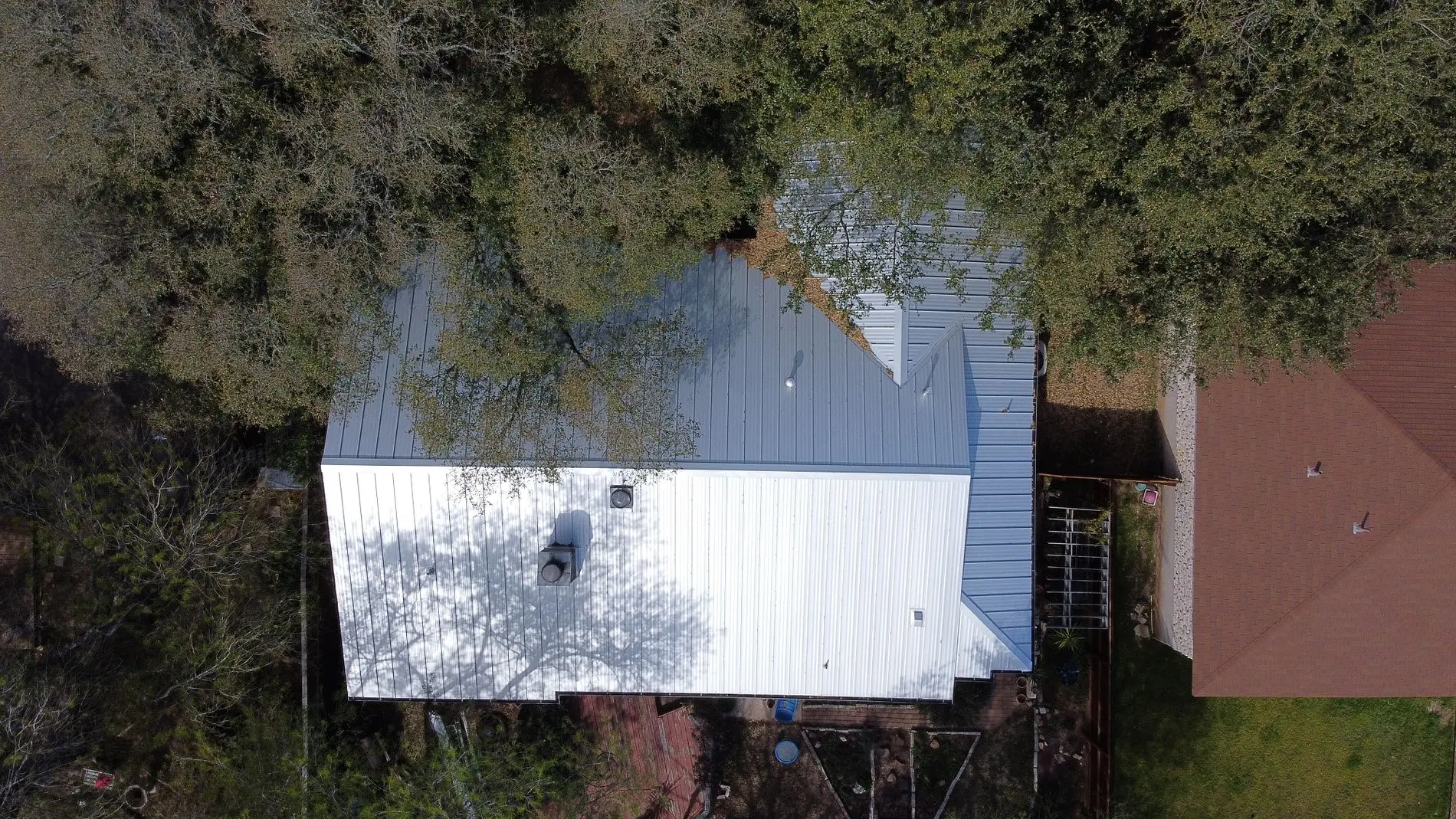
Metal roofing requires specialized skills. Follow these expert tips to find a contractor with the experience to install your metal roof correctly.
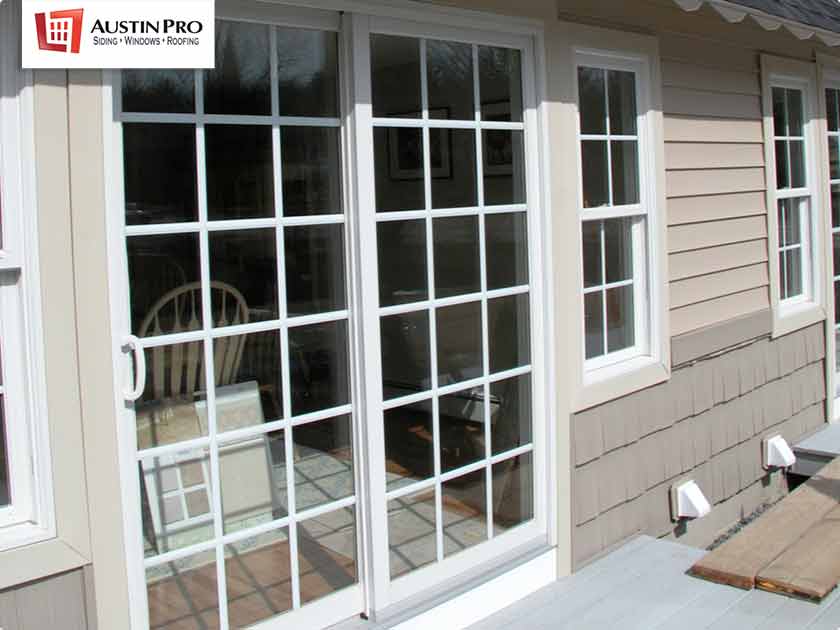
Don't compromise on security or efficiency. Avoid these pitfalls when shopping for patio doors.
.webp)
How old is your roof? Learn the visual clues that help determine its age and remaining life.
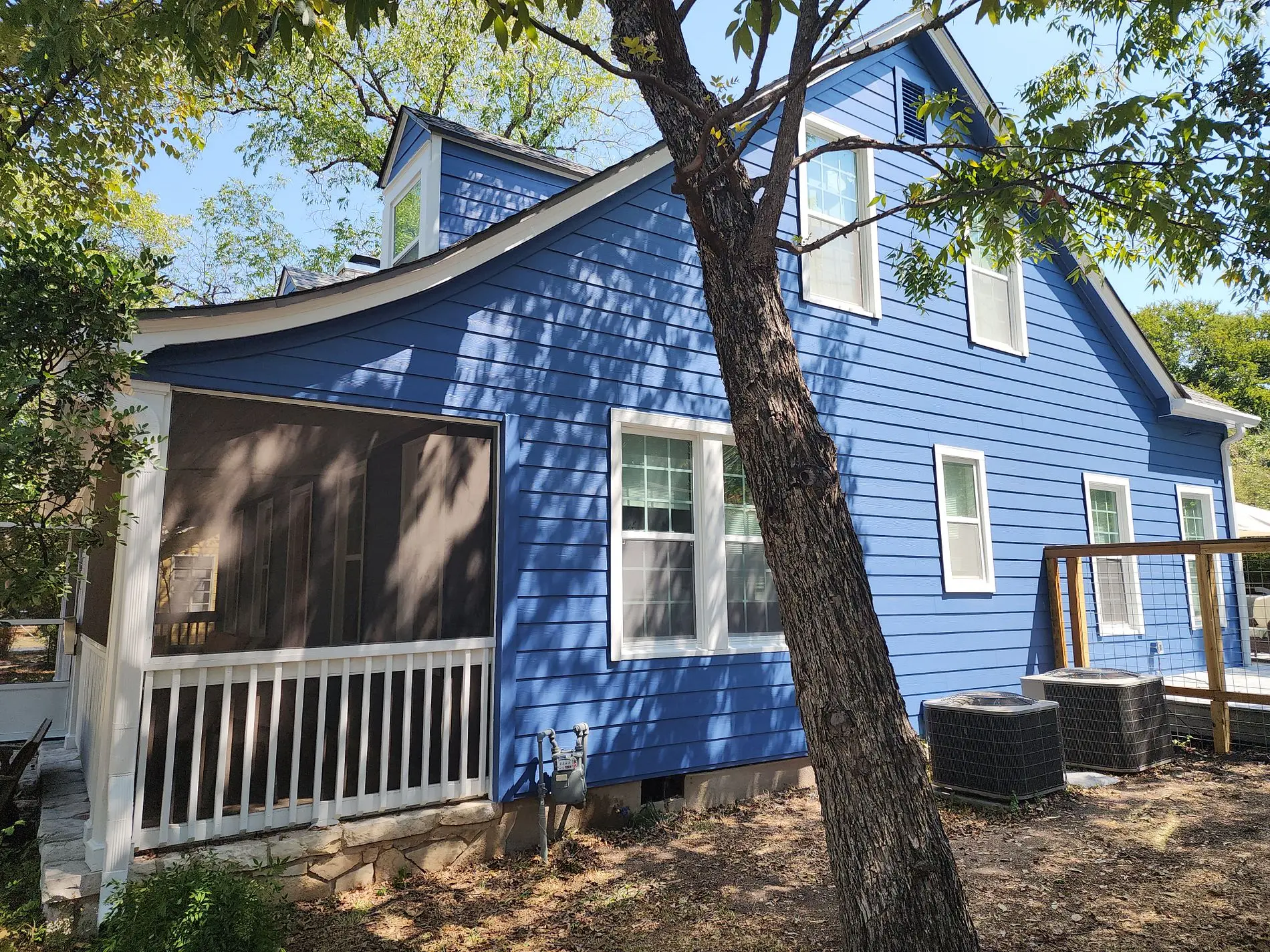
Size, style, or glass? We break down the biggest factors that influence your window quote.
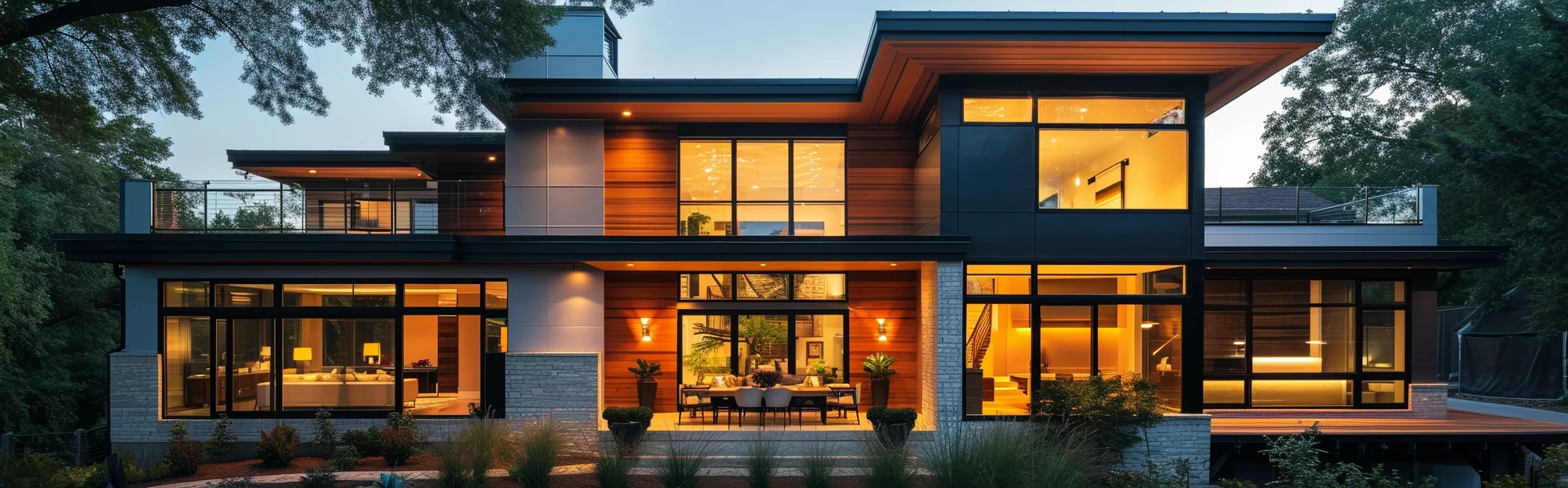
Connect the dots. We show exactly how energy-efficient windows lead to lower monthly utility bills.
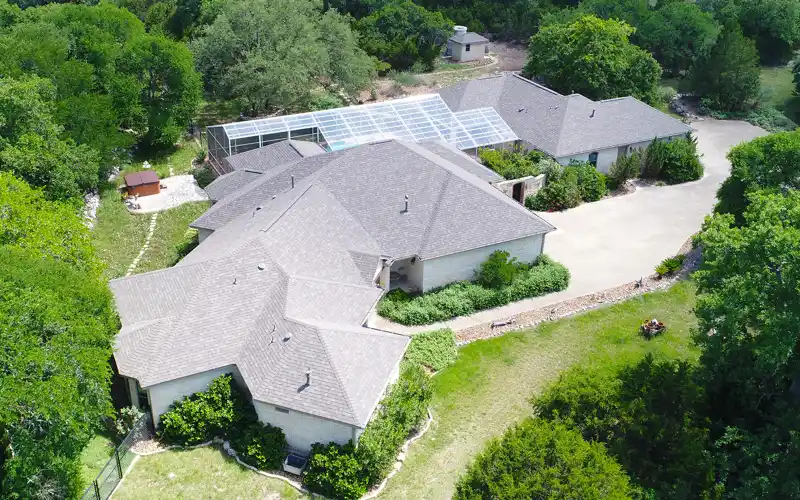
It protects everything else. We explain why the roof is the single most critical component of your home.
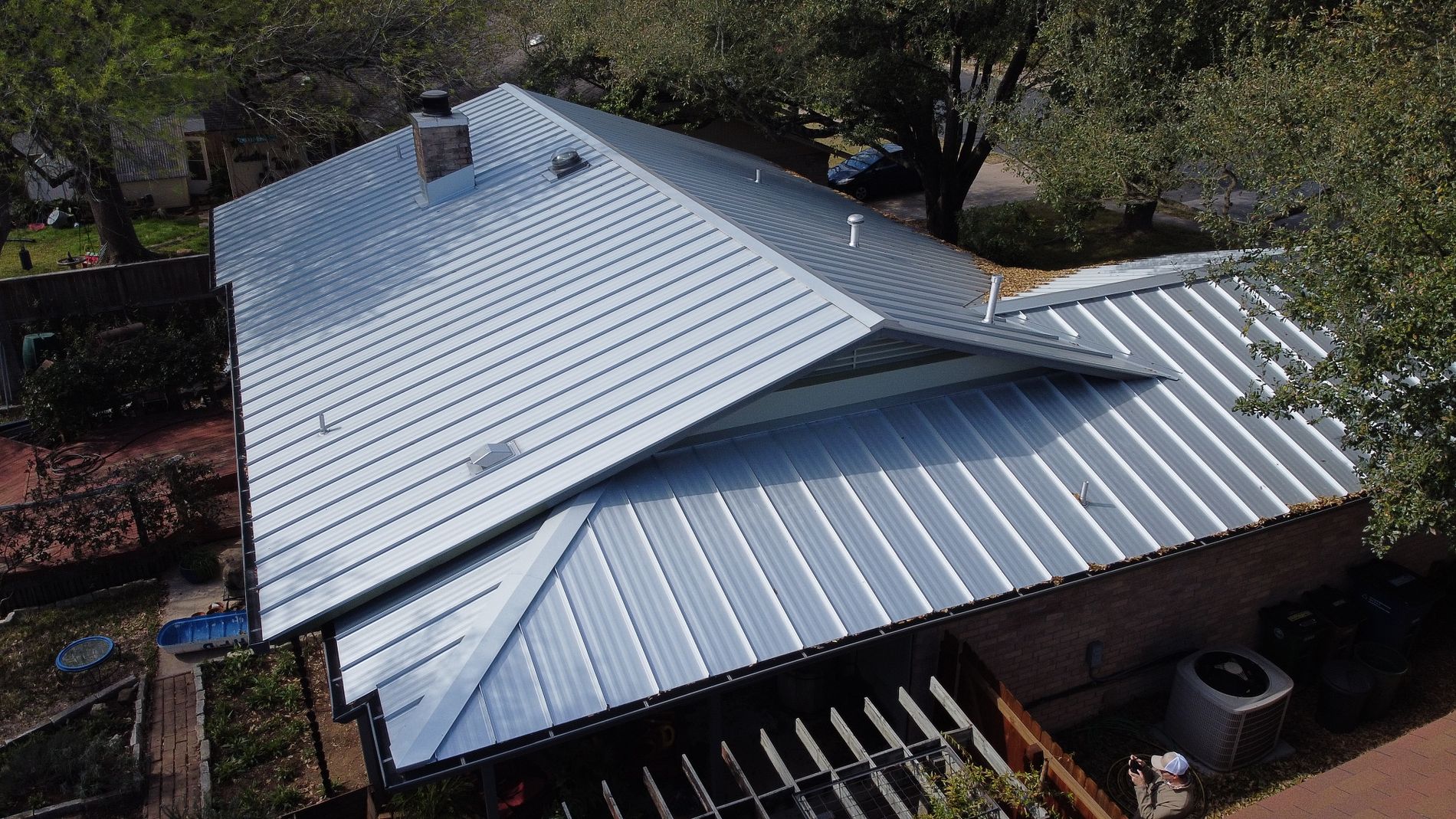
specific to Austin weather, here are the top 10 signs your roof needs immediate attention.
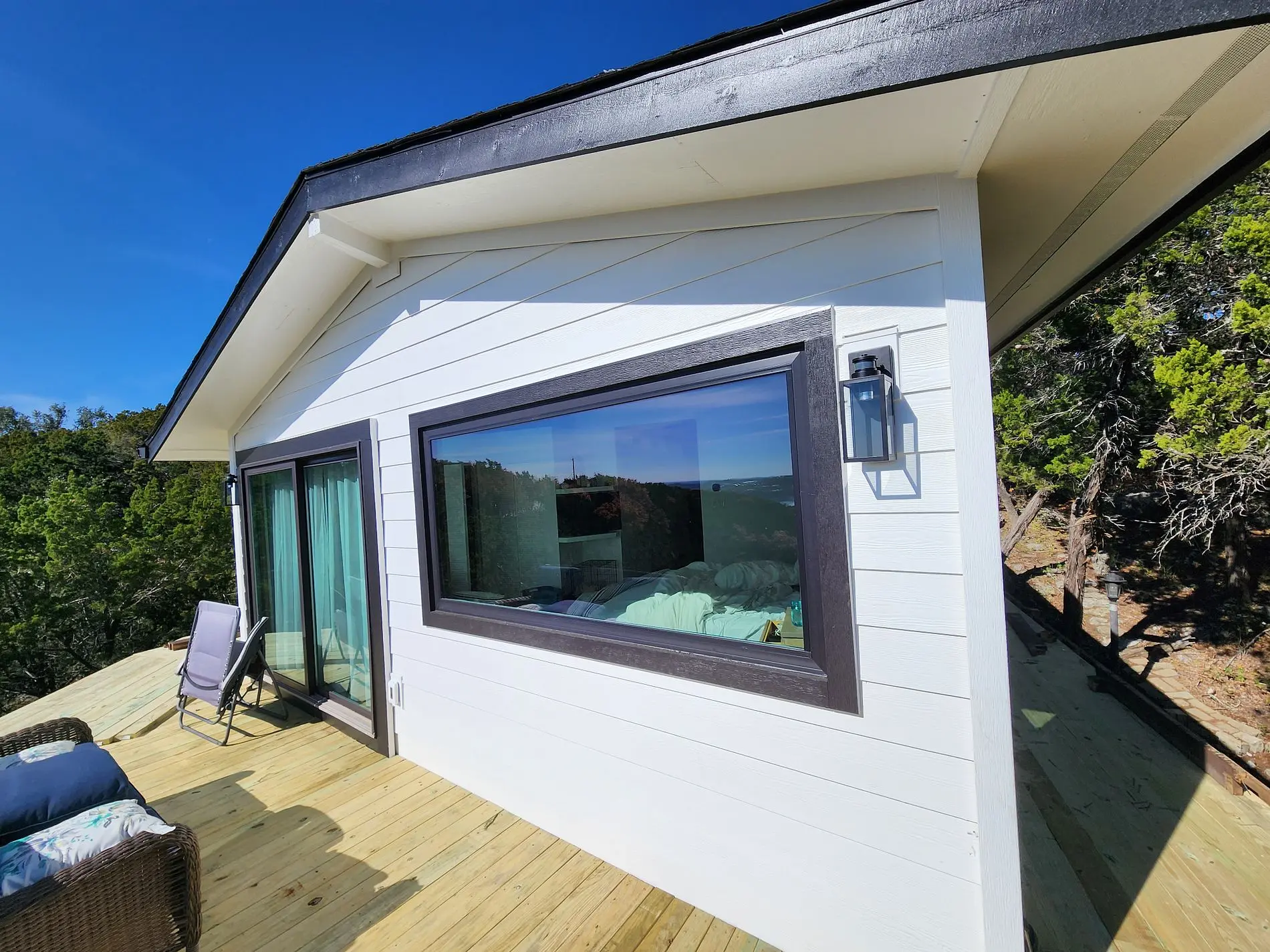
Discover the structural and efficiency gains of updating your home with a full siding replacement.

Austin Pro crafts exteriors that not only captivate but also promise steadfast protection and reliability, embodying the vibrant spirit of Austin in every facade. Your home's exterior is its silent storyteller and first impression; let us help it speak volumes without uttering a word.