Completed March 2024
Windows in Steiner Ranch, Austin, TX (March 2024)
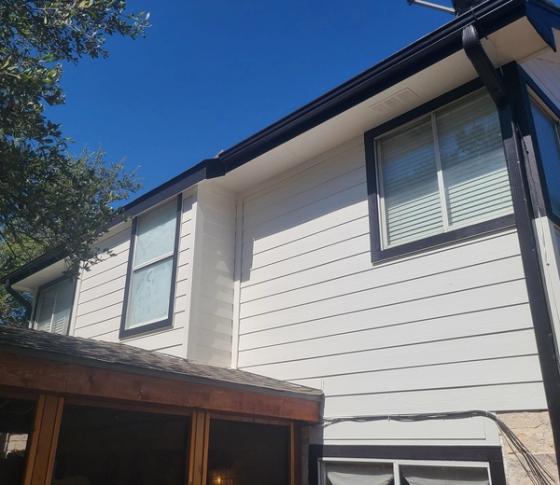
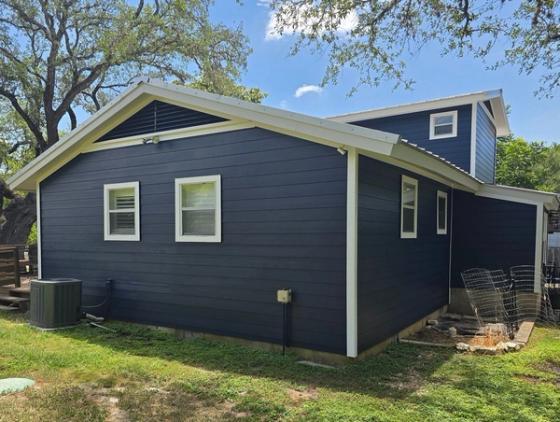
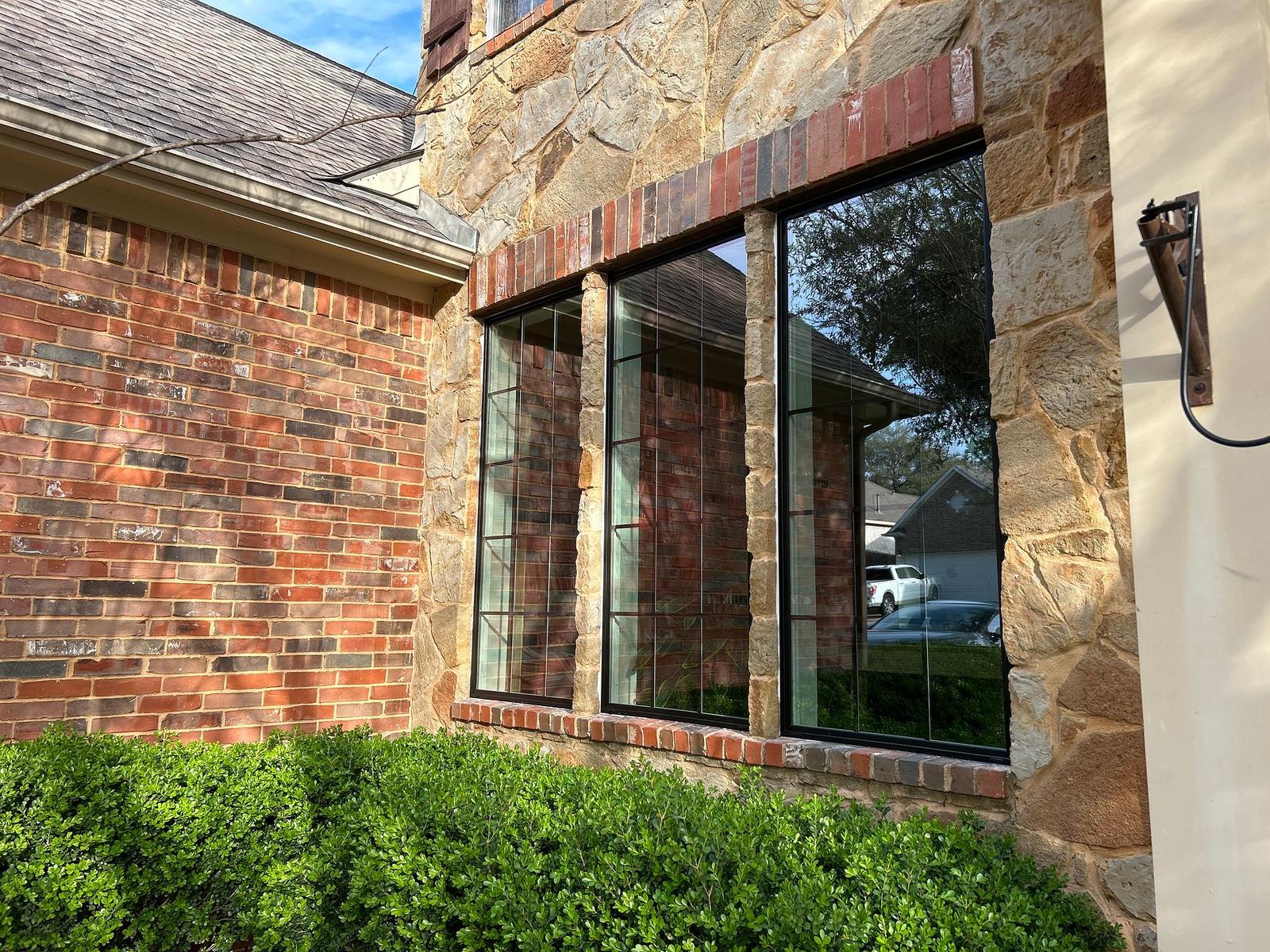
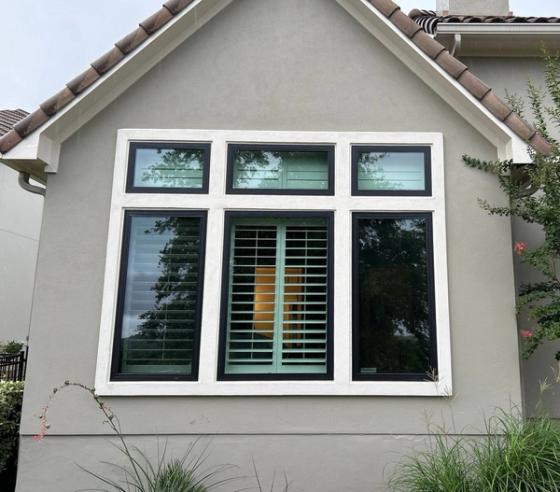
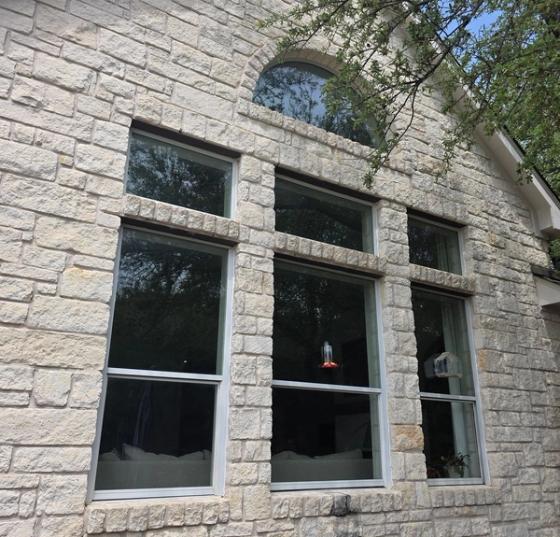
We replaced the first phase of windows at a Steiner Ranch home in Austin, using Simonton Daylight Max vinyl units. The result: brighter rooms, tighter seals, and a plan that spread the cost over two years instead of one big hit.
- Trades
- Windows
- Location
- Steiner Ranch, Austin, TX
- Completed
- Brands installed
- Simonton
Standout outcome — More daylight per opening and a phased budget the homeowner could manage
Timeframe — Ordered late January 2024, installed mid-March, closed March 22
Job APS-3895
Scope of Work
What We Did
Phased Simonton Daylight Max Vinyl Window Replacement · Energy-Efficient Low-E Glass Built for Austin Heat
Windows
This Steiner Ranch project used Simonton Daylight Max vinyl replacement windows to update an aging Austin home. We handled half the windows first, then the rest about a year later to break up the cost. The on-site install spanned two days after the windows came in. Vinyl was the smart pick here since it holds up well through Central Texas heat and cuts down on energy loss.
Learn more about our window replacement →Service price ranges are for that work before any discounts. Any total project cost mentioned on this page may include applied discounts.
Wondering where this lands on price? See what windows typically costs in Austin →
How It Went
The Journey
From the first phone call to the final walkthrough — what actually happened on this project.
First contact
The homeowner first found us through a community webpage back in November 2019. We kept the relationship warm for a few years while they planned the project on their own timeline.
Evaluation
We reviewed the home's existing builder-grade windows and measured each opening slated for phase one. The plan focused on the highest-priority rooms first, with the rest scheduled for a later phase.
Planning & approval
October 30, 2023The homeowner approved phase one on October 30, 2023, after we settled on Simonton Daylight Max in vinyl. We chose to split the full window count into two phases to break up the cost, then finalized selections before ordering.
Installation
Windows were ordered in late January 2024 and arrived in mid-March. Our crew installed them over several days shortly after delivery, removing the old units and sealing each new Simonton frame for a tight fit.
Completion
March 22, 2024We closed out the project on March 22, 2024, after a final check of every window's operation and seal. The homeowner had us return about a year later to complete the remaining openings.
6 Photos
Project Photos
Every photo is this job, shot on site by our crew in Steiner Ranch, Austin, TX.
Want this on your house?
The Full Story
Inside This Project
Why split the window job into two phases?
The homeowner wanted new windows across the whole house, but not all at once. So we did about half the openings first and came back roughly a year later for the rest.
This is something we do often, and it works well for a few reasons. Splitting the order lets you spread a big expense over two budget cycles instead of one. It also gives you a chance to live with the new windows in the most-used rooms before finishing the job. The homeowner approved the first phase in late October 2023, and we ordered the units once the selections were locked in.
- Phase one focused on the highest-priority openings
- Second phase followed about a year later
- Same Simonton product line used both times for a matched look
- Project approved October 30, 2023
Why Simonton Daylight Max for a Steiner Ranch home?
The Daylight Max line uses a slimmer frame than a standard vinyl window. That means more glass and more light through the same rough opening. For a home with big view windows near the greenbelt, that extra visible glass matters.
Vinyl was the right call here for Austin. Our summers push past 100 degrees for weeks, and vinyl frames handle that heat without the swelling or finish trouble you can see on other materials. The low-E glass reflects a good chunk of solar heat, which takes some load off the AC. Cedar pollen season is brutal in this part of town too, and a tight, modern seal keeps more of that fine dust outside where it belongs. Many Steiner Ranch homes date to the late 1990s and early 2000s, so their original builder-grade windows are well past their useful life by now.
What did the crew do on site?
We measured each opening carefully before ordering, since the Daylight Max frames only pay off if they fit clean. Once the windows arrived, install ran over several days in mid-March 2024.
- Removed the original builder-grade units in phase-one rooms
- Set and squared each Simonton unit for a true seal
- Sealed and insulated around every frame
- Cleaned up and checked operation on each window
How does phasing affect the timeline?
A phased job stretches the calendar, but each phase moves quickly once glass is in hand. We ordered in late January and installed a few days after the windows landed in mid-March.
- Order placed: late January 2024
- Install window: mid-March, over multiple days
- Project closed: March 22, 2024
What else could this home use down the road?
Windows are often the first piece of a larger exterior refresh. Homes of this era in Steiner Ranch tend to need attention on more than one front over time.
- Exterior painting to protect and update trim
- Gutters sized for our hard Hill Country downpours
- Roof checks after hail season, since limestone-soil lots see plenty of storms
Straight Answers
Questions About This Project
Can I replace my windows in stages instead of all at once?
Yes. We did exactly that here, splitting the home's windows into two phases about a year apart. It keeps the cost manageable and still gives you a matched result when both phases use the same product line.
Are vinyl windows a good choice for Austin's heat?
They hold up very well. Vinyl frames stay stable through our 100-degree summers, and the low-E glass on the Daylight Max line helps cut solar heat gain. That combination eases the strain on your cooling system.
How much does a project like this cost?
This phase-one window job fell in the $10,000 to $15,000 range. Your total depends on the number of openings, sizes, and how you choose to phase the work.
How long between ordering and installation?
Here it ran about six to seven weeks. We ordered in late January 2024 and installed shortly after the windows arrived in mid-March. Lead times shift with the season, so we confirm dates once your order is placed.
Get Your Free Windows Estimate
Tell us about your project — we'll call you back to schedule a free inspection. No pressure, honest numbers, 4.9 stars across 474 Google reviews.
Prefer to talk now? Call (512) 550-0000 · Mon–Fri 8–8, Sat 8–6, Sun 12–5
Keep Exploring
More Austin Pro Work
 Windows
 Windows
 Windows
Other work near this address