Menu
< Main Menu
Social Media






Lorem ipsum dolor sit amet, consectetur adipiscing elit, sed do eiusmod tempor incididunt ut labore et dolore magna aliqua. Ut enim ad minim veniam, quis nostrud exercitation ullamco laboris nisi ut aliquip ex ea commodo consequat. Duis aute irure dolor in reprehenderit in voluptate velit esse cillum dolore eu fugiat nulla pariatur.
Block quote
Ordered list
Unordered list
Bold text
Emphasis
Superscript
Subscript
Black windows look incredible in a listing photo—until your first 103°F Austin afternoon turns that sleek frame into a solar collector. If you’re considering window replacement to get the modern farmhouse look, the real question isn’t “Will it look good?”—it’s “Will it still look good (and operate smoothly) after a few Texas summers?”
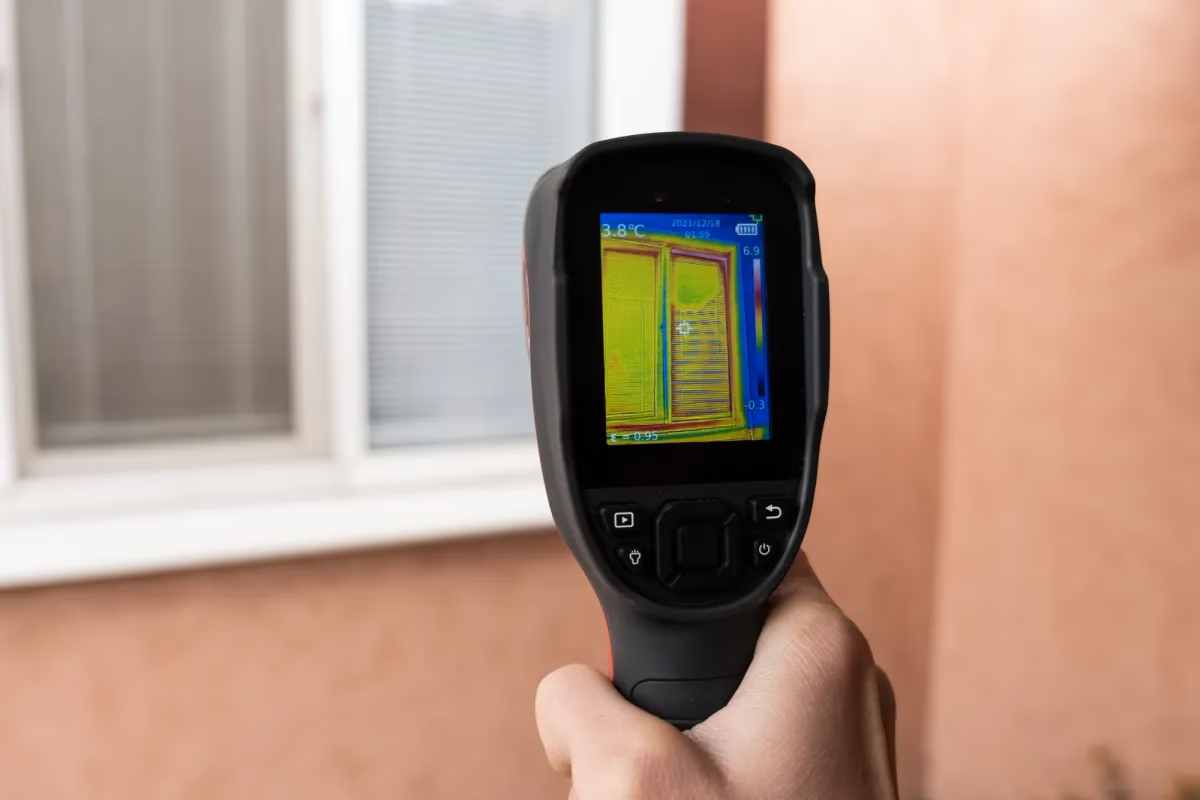
This guide breaks down what actually happens to dark window frames in heat, which materials hold up best, how to place black windows without spiking energy bills, and whether the trend is a smart long-term move for Austin-area homeowners.
Drive through Mueller, Circle C, Steiner Ranch, or new builds in Leander and you’ll see it everywhere: crisp white exteriors, warm wood accents, and bold black window frames. The look reads “custom” even when the floorplan is builder-standard.
Black frames work because they create contrast. From the curb, they sharpen rooflines, make trim look cleaner, and visually “ground” tall elevations. Indoors, they frame views like a picture, especially when you have Hill Country light pouring in.
But Austin isn’t just any design market. We’re a heat, UV, and sudden-storm market. Trends are fun—physics is not optional.
Color matters because it changes how much solar energy a surface absorbs. Dark colors absorb more radiation, and that translates into higher surface temperatures. On a sunny afternoon, a black exterior frame can get dramatically hotter than a white one—hot enough to stress materials, seals, and finishes over time.
When a frame gets hotter, it expands. When the sun drops or a cloud passes, it cools and contracts. That daily movement is normal—but bigger swings mean more stress on:
This is why two windows with the same glass package can age very differently depending on frame color and material.
If you want to go deeper on what actually moves the needle for comfort and bills, see the best energy-efficient windows for Texas homes.
In Austin, the “black window” decision is really a “frame material + finish system” decision. The wrong combo can look amazing for a year and then start telegraphing problems: slight waves, sticky operation, or a finish that chalks and fades.
Vinyl windows are popular for a reason: they’re affordable, low-maintenance, and can perform well with the right glass. But darker exterior colors put more thermal stress on vinyl, and not all vinyl formulations handle that stress equally.
In real-world terms, the risk isn’t that every black vinyl window will fail—it’s that the margin for error is smaller. Install quality, window size, reinforcement, and sun exposure matter more. If you’re comparing options, Austin Pro Siding often walks homeowners through where vinyl makes sense and where it’s smarter to upgrade materials.
For a balanced take on value, read Vinyl Replacement Windows: A Smart Investment for Your Home.
Fiberglass and composite frames are generally more dimensionally stable than standard vinyl. That stability matters when the exterior is absorbing intense sun day after day. Many homeowners choose these materials specifically because they want dark frames without the “will this get wavy?” anxiety.
These frames can also support slimmer profiles (more glass, less frame) depending on the product line—another reason they’re popular with modern farmhouse and contemporary designs.
Aluminum frames are strong and naturally suited to dark finishes. The key in Texas is choosing a modern thermally broken aluminum system so you’re not trading style for comfort. If you love the look, it’s worth understanding the pros and cons: Top 5 Reasons to Consider Aluminum Window Replacement.
If you’re actively planning a project, start with Austin Pro Siding’s window services page to see what systems we install and what’s best for Central Texas conditions.
Here’s the part most people miss: black frames are only half the story. In Austin, solar gain through the glass is often the bigger driver of comfort and HVAC runtime than frame color alone—especially on west-facing elevations.
If you’re going bold with black windows, be extra intentional on the west side of the house (late afternoon sun). That’s where heat is most brutal and where you feel it most—right when you’re home cooking dinner.
Want an easy win? Shading changes everything. A well-designed cover can cut glare and reduce afternoon heat load. If you’re exploring that route, see patio covers as a complementary upgrade.
Trends cycle, but some design moves become “new neutrals.” Black windows are trending hard, yes—but they’re also rooted in classic architecture (steel windows in historic industrial buildings, dark frames in European modern design). That gives them staying power.
In the Austin metro, resale value usually rewards upgrades that look intentional and perform well. Buyers may not know SHGC ratings, but they absolutely notice a house that feels cool, quiet, and solid.
Black windows can absolutely work in Central Texas. The “gotchas” aren’t about style—they’re about choosing a frame material and glass package that match our heat, then placing windows strategically (especially on west-facing walls).
If you’re in Austin, Cedar Park, Round Rock, Pflugerville, Hutto, Leander, or anywhere nearby, it’s worth getting guidance from a contractor who understands local exposure and install details. You can explore our full Austin-area service locations, read what homeowners say on our reviews page, or contact Austin Pro Siding to talk through options before you commit to a color and material.
The goal isn’t just black windows. It’s black windows that still glide smoothly and keep your home comfortable when Austin hits its hottest week of the year.

Explore the durability and eco-friendly design of Andersen’s 100 Series composite windows.
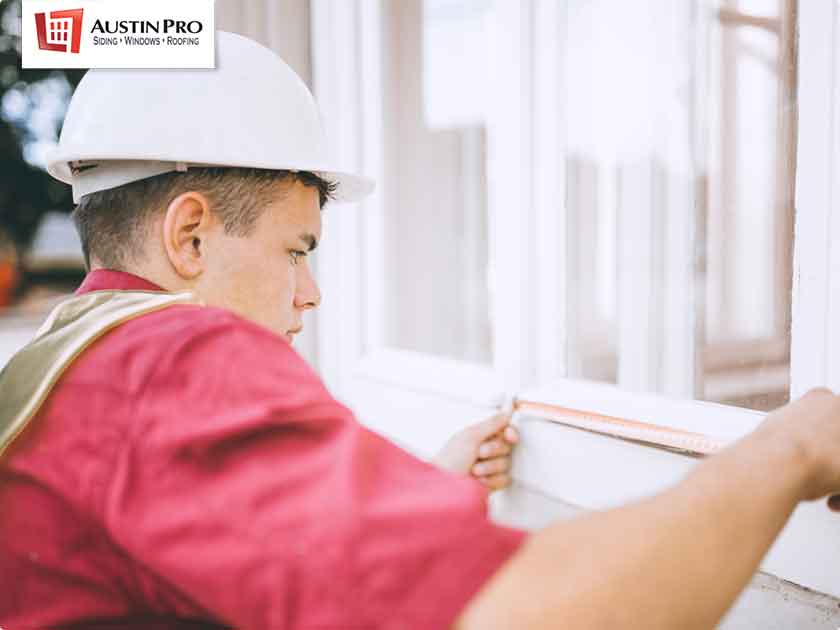
Measurement matters. Key considerations for correctly sizing your replacement windows.
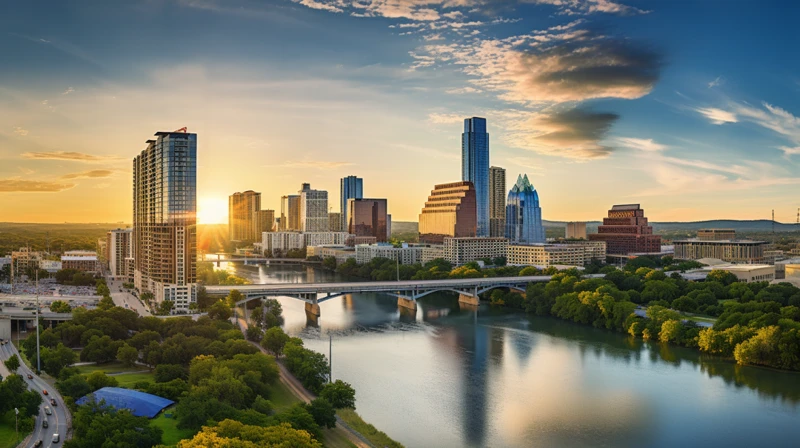
Metal is rising. Explore the metal roofing trends taking over the Austin skyline.
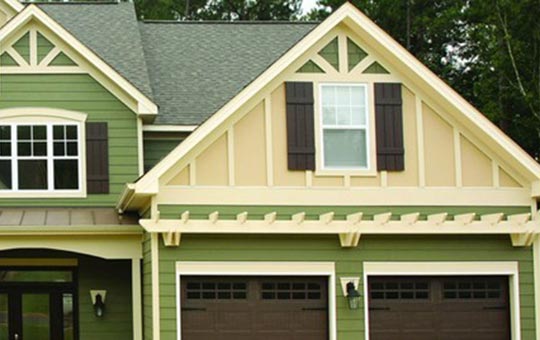
Why is it the market leader? We explore the brand reputation and technology behind James Hardie.
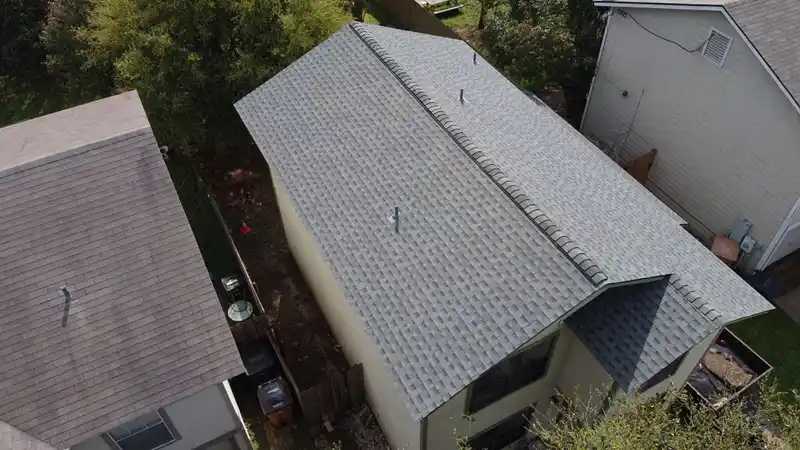
Get ready for roofing day with this simple guide. Learn how to protect your property and prepare your family for a smooth installation process.
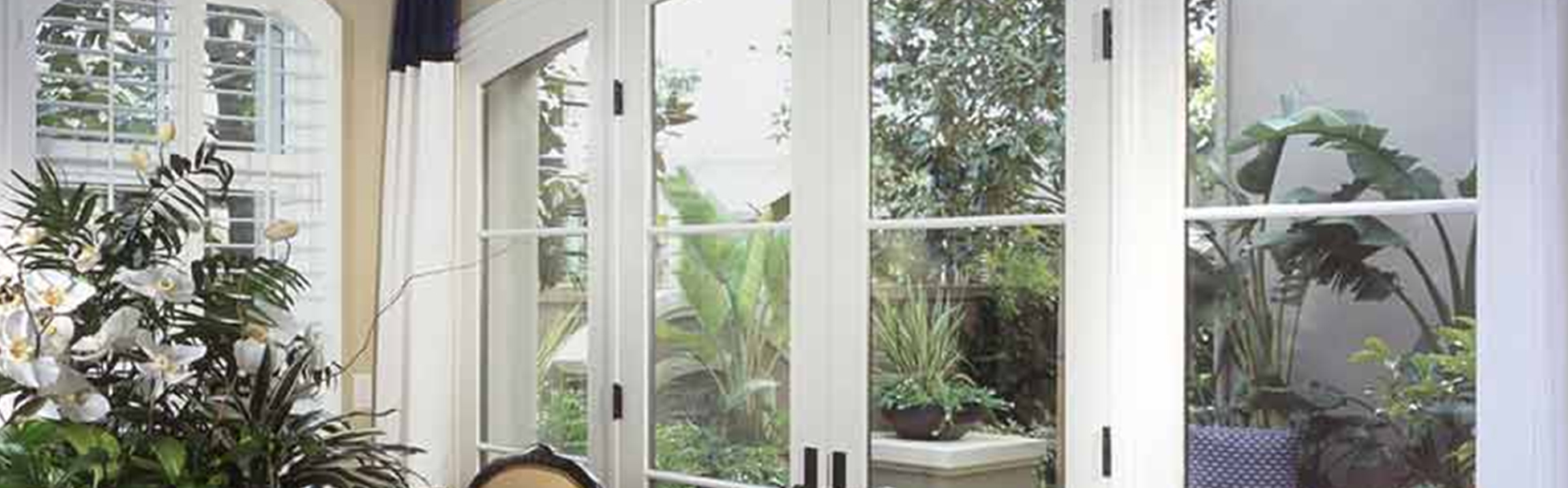
Don't let common misconceptions hold you back. We separate fact from fiction to help you choose the best patio doors for your home.

Austin Pro crafts exteriors that not only captivate but also promise steadfast protection and reliability, embodying the vibrant spirit of Austin in every facade. Your home's exterior is its silent storyteller and first impression; let us help it speak volumes without uttering a word.