Menu
< Main Menu
Social Media






Lorem ipsum dolor sit amet, consectetur adipiscing elit, sed do eiusmod tempor incididunt ut labore et dolore magna aliqua. Ut enim ad minim veniam, quis nostrud exercitation ullamco laboris nisi ut aliquip ex ea commodo consequat. Duis aute irure dolor in reprehenderit in voluptate velit esse cillum dolore eu fugiat nulla pariatur.
Block quote
Ordered list
Unordered list
Bold text
Emphasis
Superscript
Subscript
That first window replacement quote can feel like getting hit by a surprise summer electric bill—especially when Andersen pricing lands on the table. Then a neighbor says, “We went with NT. Same look, way less.” So which is it in Austin: smart savings… or false economy?
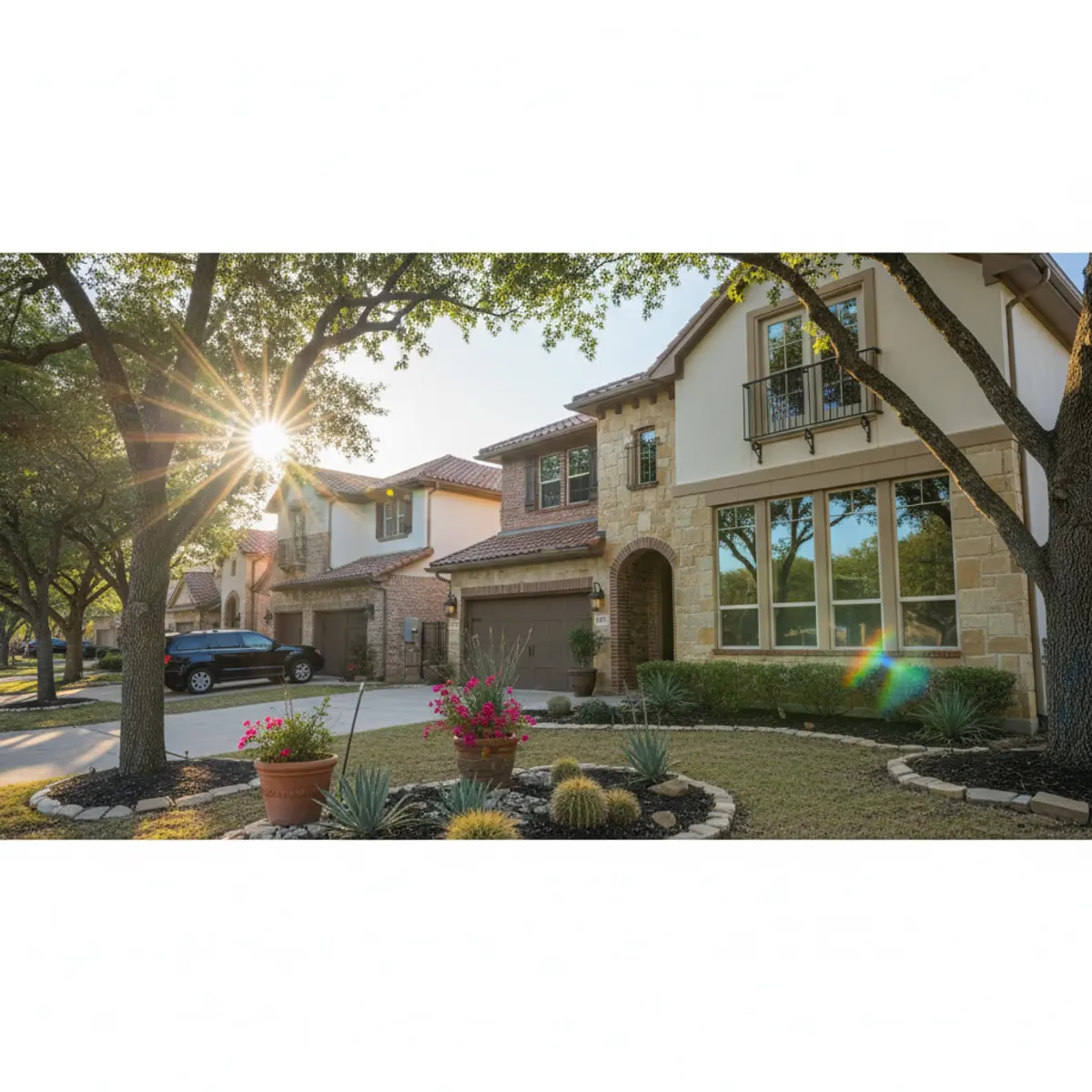
In this guide, you’ll get a direct, Texas-climate-focused comparison of Andersen vs. NT Windows—what you’re really paying for, what actually performs in 100° heat, and when the “big brand” premium makes sense.
In Central Austin bungalows, new builds in Leander, and remodels in Round Rock, this comparison pops up for one reason: both brands are common in real quotes from reputable installers. Andersen has national recognition and a long product lineup. NT is a Texas-based brand that shows up often when homeowners want strong performance without a luxury price tag.
The decision usually starts with three pressure points:
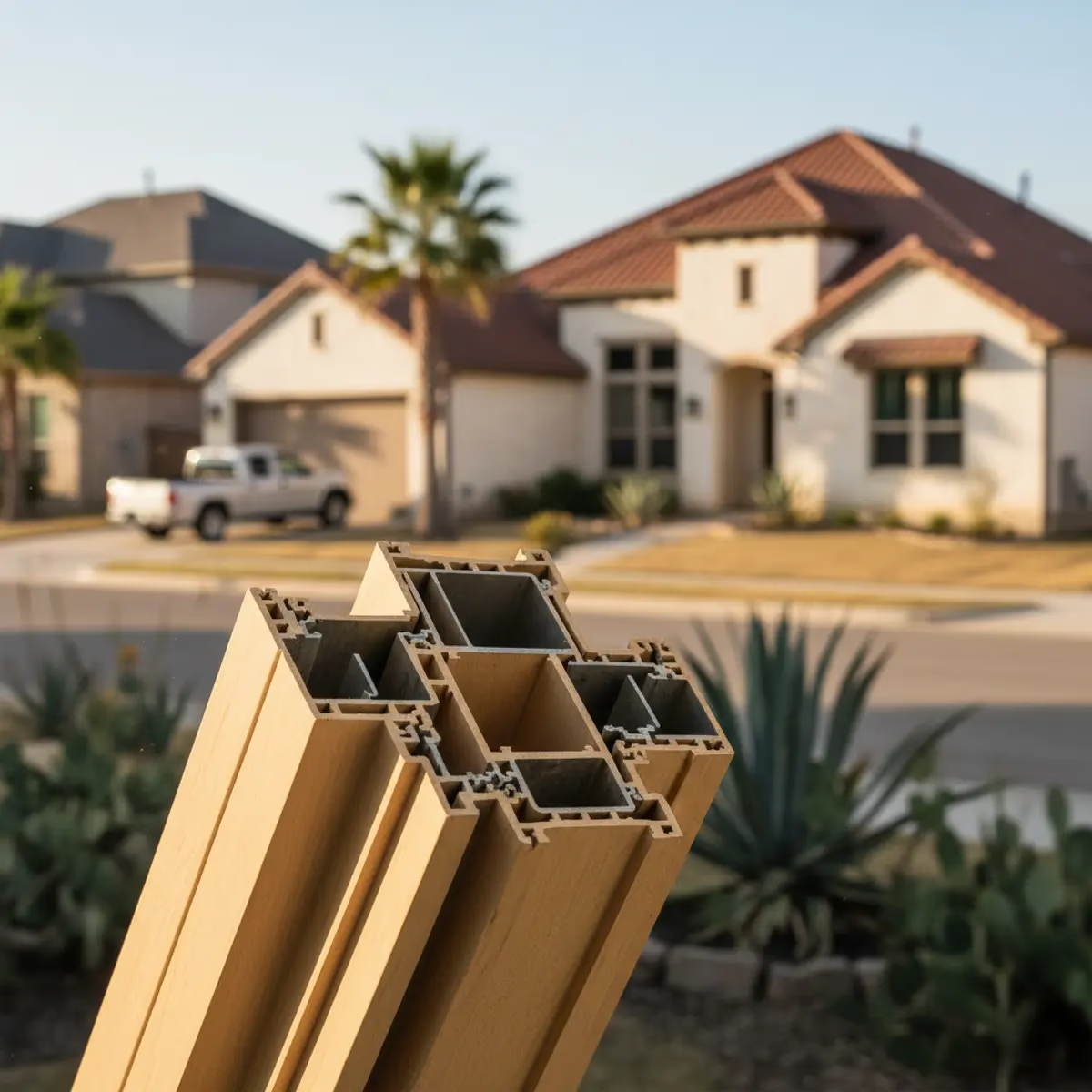
If you’re still narrowing down brands, Austin Pro Siding’s window services page lays out what matters most in a Texas install (measurements, glass packages, and clean trim integration).
Let’s get specific. The frame is the “skeleton” of your window. In Austin, it lives through brutal UV, big temperature swings, and occasional humidity spikes. The question isn’t just, “Which is stronger?” It’s “Which stays stable and sealed when the heat is relentless?”
Andersen’s Fibrex is a composite material (a mix of wood fiber and polymer). Its biggest advantage is dimensional stability—it’s designed to expand and contract less than many standard vinyl frames. In theory, that can help maintain tight seals over time, especially on sun-baked elevations.
Andersen also tends to offer a broad range of configurations, finishes, and upgrade paths—helpful if you’re matching historic aesthetics or doing a high-end remodel where details matter.
NT’s higher-end vinyl lines are built for real-world Texas conditions—strong multi-chamber frames, efficient weatherstripping, and glass packages aimed at solar control. Vinyl’s reputation used to be “basic,” but premium vinyl today can be a workhorse in our climate when properly installed and paired with the right low-E glass.
One crucial nuance: in Austin, glass performance often matters more than frame material for comfort and energy bills. If your goal is reducing heat gain, the right low-E coatings and Solar Heat Gain Coefficient (SHGC) can move the needle more than a brand logo.

Want a deeper glass-performance breakdown? Read The Best Energy-Efficient Windows for Texas Homes.
NT’s Texas footprint is more than a feel-good talking point. In practice, local manufacturing and regional distribution can affect:
That said, “local” doesn’t automatically mean “better.” What matters is whether the specific window series you’re buying is configured for your exposures. A home in Pflugerville with minimal shade is a different puzzle than a tree-covered lot in Cedar Park.
If you’re not sure how your micro-location affects the choice, start with Austin Pro Siding’s service areas—our teams see the same sun patterns, builder habits, and common failure points across Austin, Hutto, Round Rock, and beyond.
Here’s the part most homeowners want but rarely get: a clean explanation of what you’re really paying for.
In many Austin projects, Andersen quotes come in meaningfully higher than NT—sometimes by thousands on a whole-house package. That gap usually comes from a mix of:
But here’s the practical truth: if the Andersen quote doesn’t include a meaningfully better glass package (low-E selection, SHGC, U-factor), you may be paying for prestige more than comfort.
To compare fairly, ask both bids for the same “apples-to-apples” items:
For performance basics, the U.S. Department of Energy has a solid overview of window efficiency and what the ratings mean: https://www.energy.gov/energysaver/window-selection.
And for label literacy, the NFRC (National Fenestration Rating Council) explains the metrics you should see on quotes and product stickers: https://www.nfrc.org/.
There isn’t one universal winner. There’s the right choice for your house, your sun exposure, and your renovation goals.
One more reality check: the best window can still underperform with a sloppy install. If you want a second set of eyes on your quotes—materials, glass ratings, and installation plan—Austin Pro Siding can help you compare options without the guesswork. You can explore our work and homeowner feedback on our reviews page, then contact us to talk through the smartest path for your home.
If you’re still deciding between these two brands specifically, this related breakdown may also help: NT Windows vs. Andersen: What We Tell Austin Homeowners Who Can’t Decide.
Bottom line: In Austin, the “big brand” premium is only worth it when it buys you measurable performance or a must-have design outcome. Otherwise, NT often delivers the better return—especially when you prioritize the right glass package and a clean, water-managed installation.
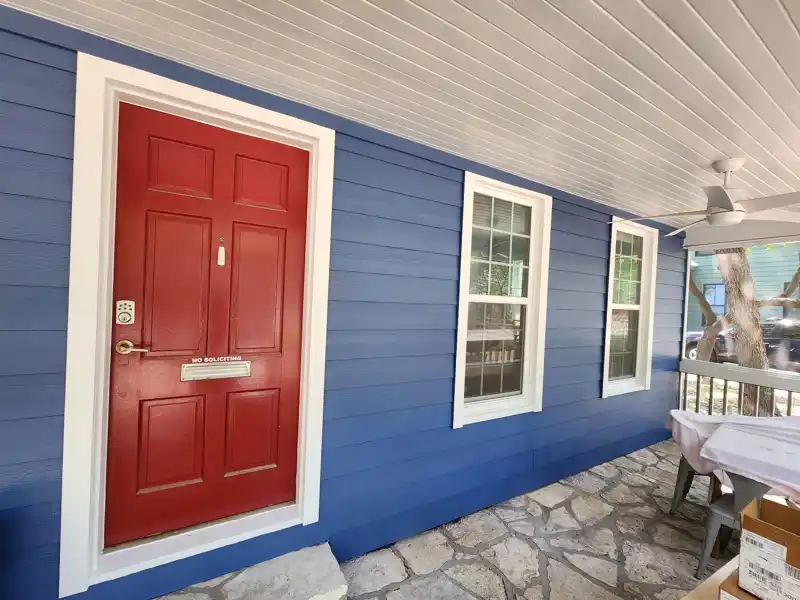
We are proud to be recognized as an Elite Preferred Contractor. Learn what this distinction means for the quality and warranty of your installation.
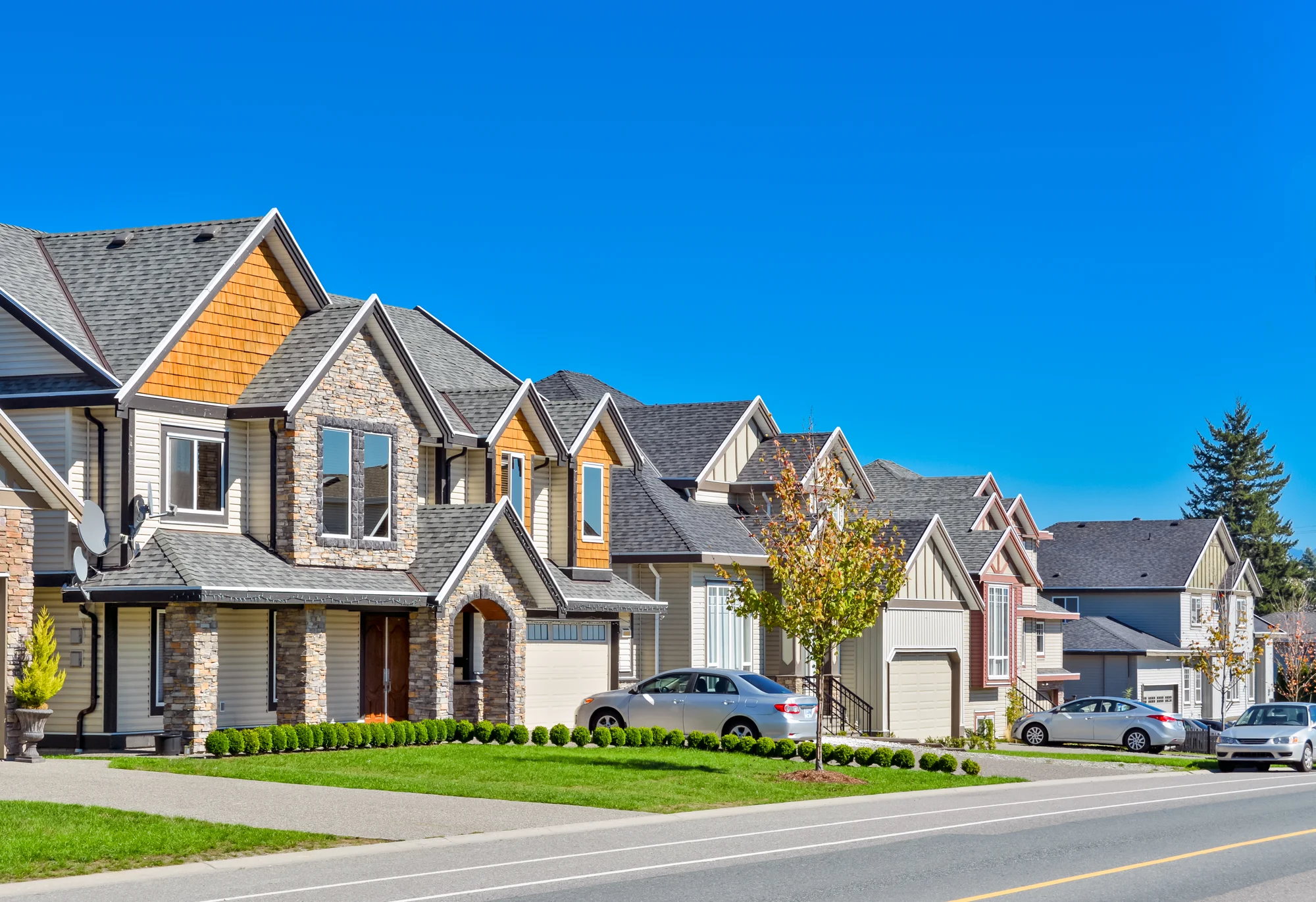
How long will it last? We compare the expected lifespans of asphalt, metal, and tile roofing.
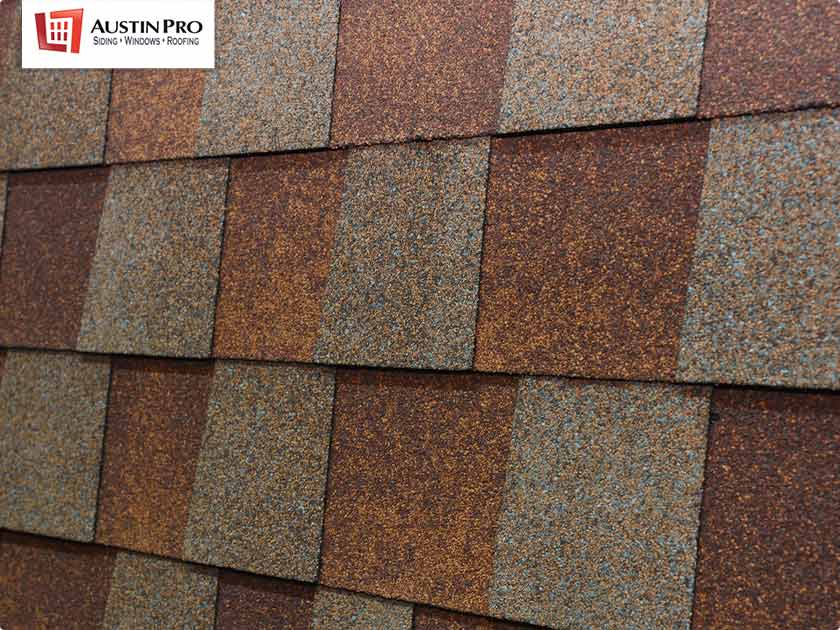
Does roof color affect energy efficiency? We answer common questions about how shingle color impacts your home's temperature and style.

Don't hire blindly. Learn the key factors to look for when selecting a trustworthy roofer.
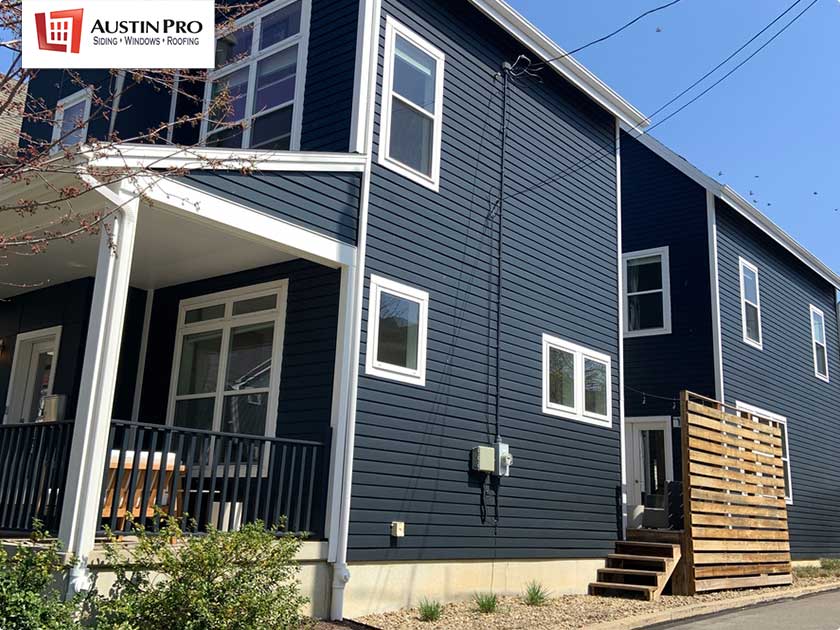
The right trim pops. Get expert tips on selecting trim colors that complement your siding perfectly.
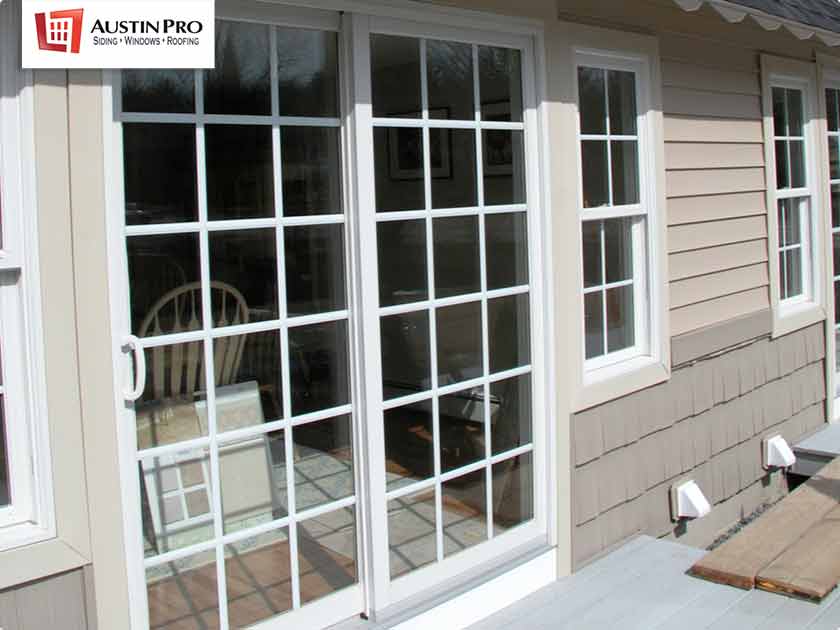
Don't compromise on security or efficiency. Avoid these pitfalls when shopping for patio doors.

Austin Pro crafts exteriors that not only captivate but also promise steadfast protection and reliability, embodying the vibrant spirit of Austin in every facade. Your home's exterior is its silent storyteller and first impression; let us help it speak volumes without uttering a word.