
Menu
< Main Menu
Social Media





Roofing in America is a tale as old as the first settlers. From primitive materials shaped by indigenous practices to the advanced solutions in today's market, the history of roofing mirrors the nation's journey of innovation and adaptation. This article explores the transformation of roofing materials and styles throughout American history, revealing how each era's needs and resources shaped the rooftops under which people lived.
The earliest American homes reflected the natural resources available to settlers and the indigenous methods they learned. Thatch roofs, made from local grasses and reeds, were among the first roofing types implemented by European settlers in America. These were eventually replaced by wooden shingles, which offered better durability and protection from the elements, marking a significant shift towards more permanent settlements.
As the colonies grew, so did the variety of materials. Wood was abundant in the New World, making wood shake roofs popular among colonial homes. This era also saw the introduction of clay tiles in Spanish settlements in the Southwest, influenced by Mediterranean roofing styles, which provided excellent thermal properties in the hot climate.
With the advent of the Industrial Revolution, metal roofing began to take hold in America. Initially used in the 18th century for prestigious buildings such as Thomas Jefferson’s Monticello, metal roofs became more widespread by the mid-19th century. They were prized for their fire resistance and longevity, features that were increasingly important in rapidly expanding urban areas.
The 20th century heralded the rise of asphalt shingles, invented in America in 1901. Asphalt’s low cost, ease of installation, and good weather resistance made it the most popular roofing material by the mid-20th century, a status it retains today. This era also saw the introduction of new styles and colors in roofing materials, reflecting the evolving architectural trends and consumer preferences.
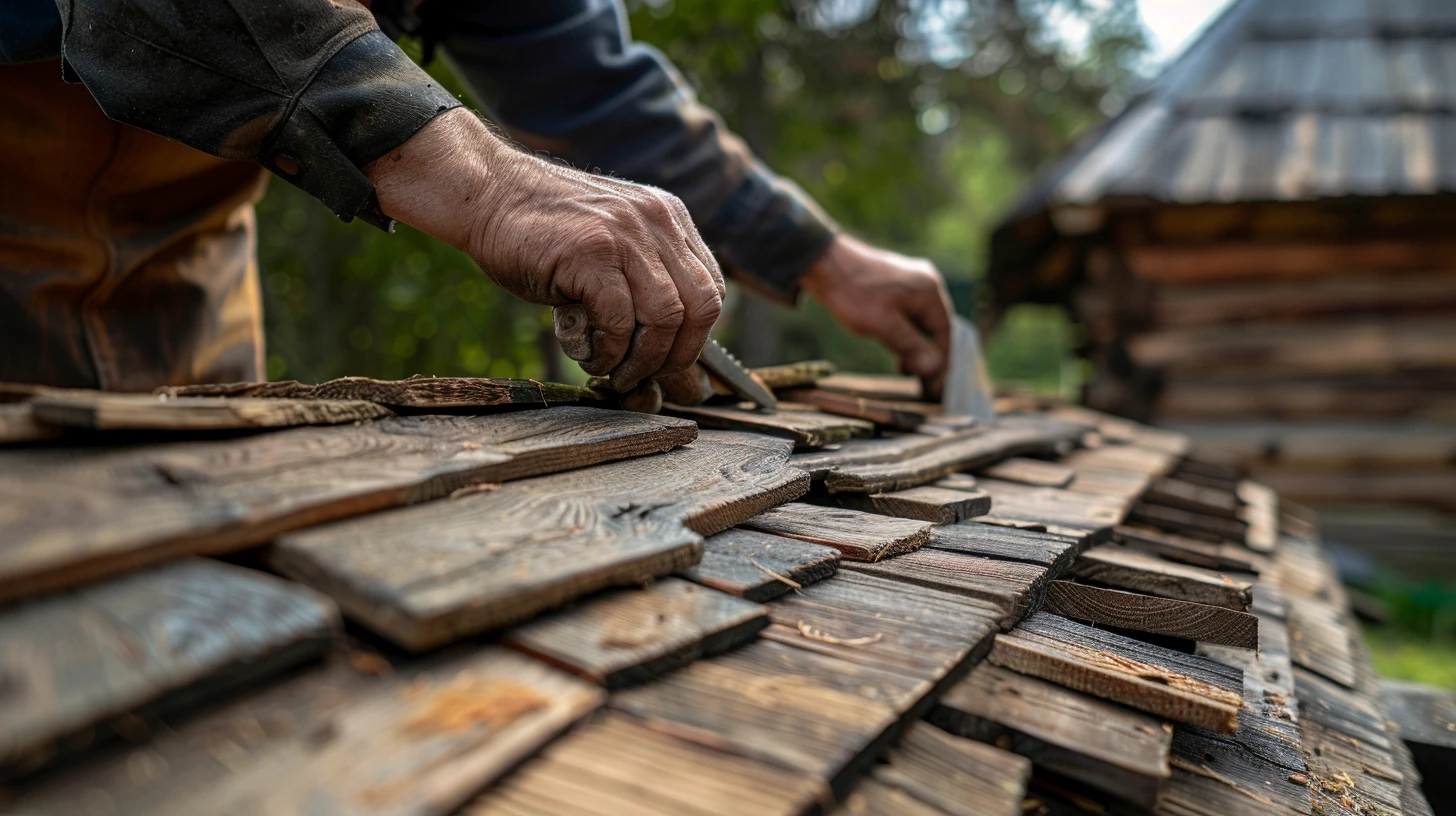
Today, the roofing industry in America is characterized by a blend of traditional materials and cutting-edge technologies. Innovations such as solar shingles and green roofs reflect a growing emphasis on sustainability. These modern solutions cater to a more environmentally conscious consumer base, seeking energy efficiency and eco-friendly materials.
Metal roofing has seen a resurgence due to its durability and energy efficiency, with materials like Galvalume offering advanced protection and longevity. Companies like Austin Pro Siding & Roofing specialize in installing GAF shingles, recognized for their quality and resilience, adhering to the highest industry standards.
The diversity of American roofing materials also reflects the country’s cultural mosaic. For instance, the use of Spanish tiles in the Southwest continues to this day, honoring the architectural heritage of the region. Similarly, the popularity of wooden shingles in New England preserves the quaint, historical aesthetic that is a hallmark of the area.
The evolution of roofing materials in America is not just a story of technological advancement, but a narrative intertwined with the nation's cultural and economic history. Each roofing material and style carries with it stories of adaptation, innovation, and identity, reflecting the broader American ethos of embracing new ideas while respecting tradition.
As we look to the future, the roofing industry in America is set to continue its trajectory of innovation. With advancements in materials science and a growing emphasis on sustainable building practices, the next chapters of American roofing will likely be written with solar efficiency and environmental impact in mind. Companies like Austin Pro Siding & Roofing are at the forefront of this evolution, offering services that not only meet the functional needs of modern homeowners but also contribute to the sustainability goals of the wider community.
From the simple protective coverings of the colonial era to the sophisticated, multi-functional roofs of today, the history of roofing in America is a vivid chapter in the nation's architectural saga. It's a testament to human ingenuity and the relentless pursuit of improvement—a narrative that continues to unfold above our heads, one shingle at a time.
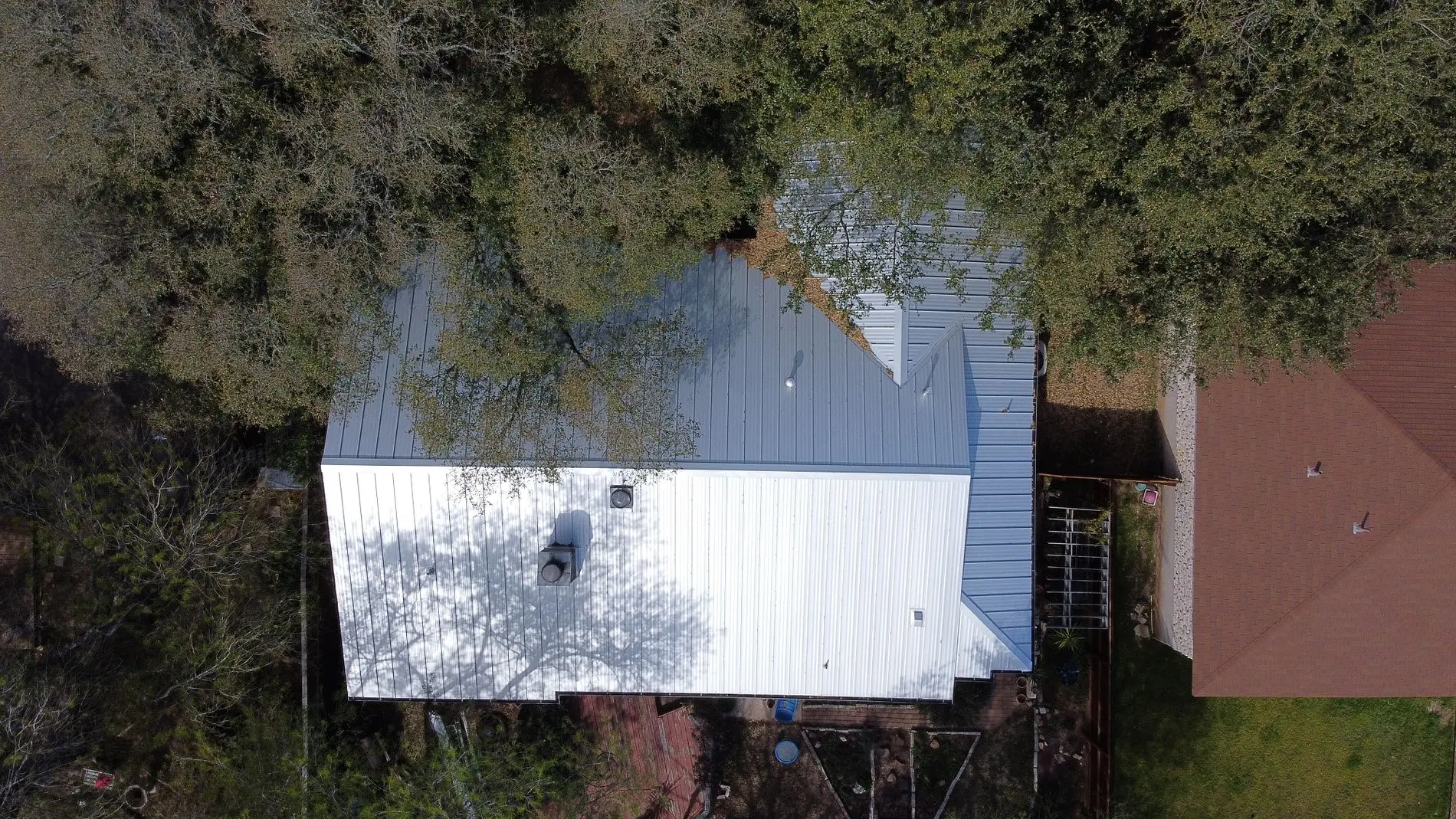
Myth-busting metal roofs. We cover the noise, durability, and cost facts every buyer should know.
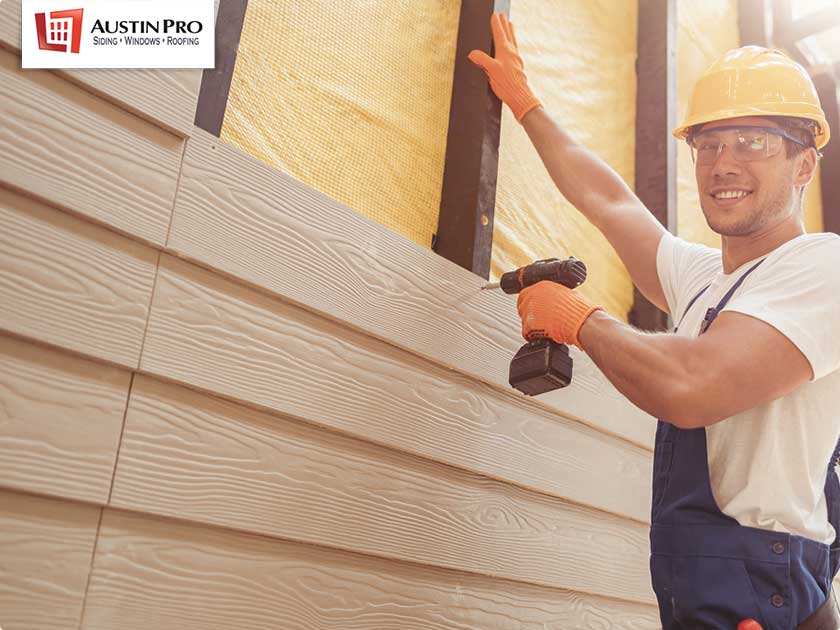
Starting from scratch? Here is your beginner's guide to planning a siding replacement project.
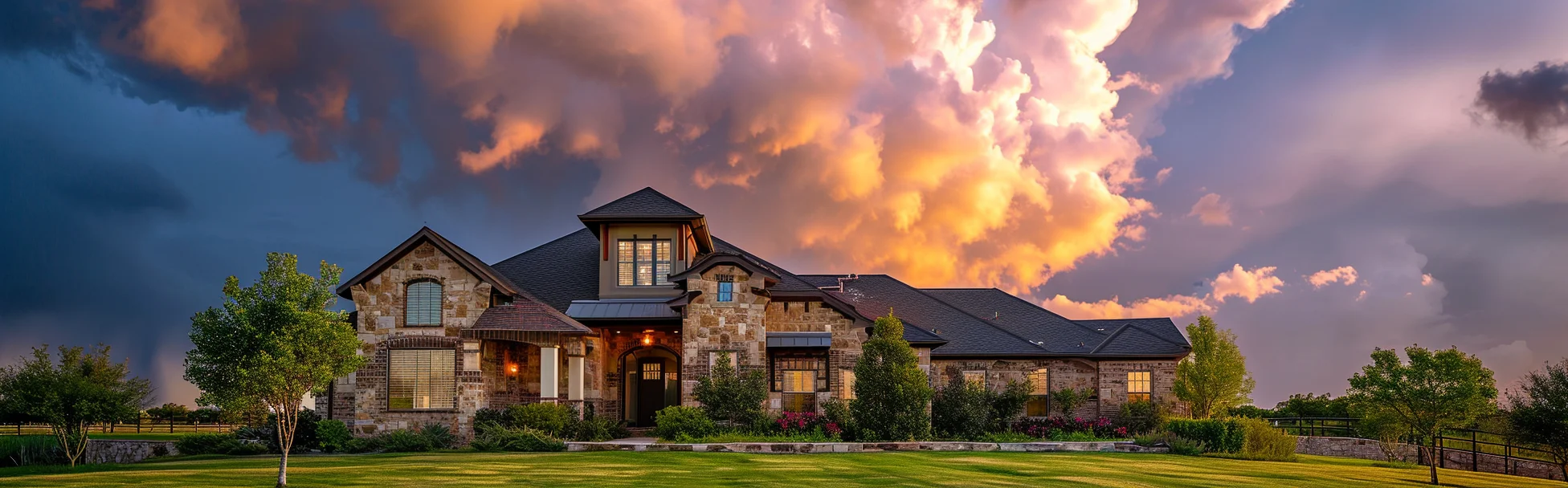
Texas weather is tough. Find out which window features stand up best to heat, wind, and hail.
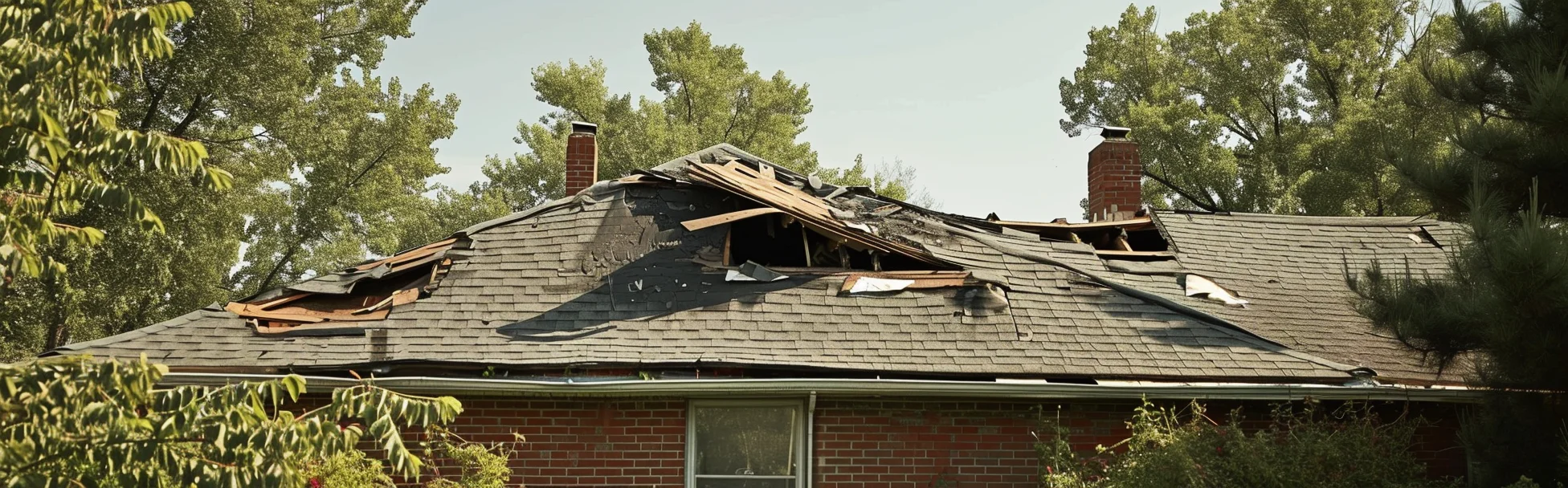
Stuck between patching and replacing? We break down the cost-benefit analysis for you.
.jpeg)
Painting during pollen season? We weigh the risks and offer tips for a clean finish.

Your garage door takes up a lot of visual space. See how upgrading it can instantly modernize your home and improve curb appeal.

Austin Pro crafts exteriors that not only captivate but also promise steadfast protection and reliability, embodying the vibrant spirit of Austin in every facade. Your home's exterior is its silent storyteller and first impression; let us help it speak volumes without uttering a word.