Menu
< Main Menu
Social Media






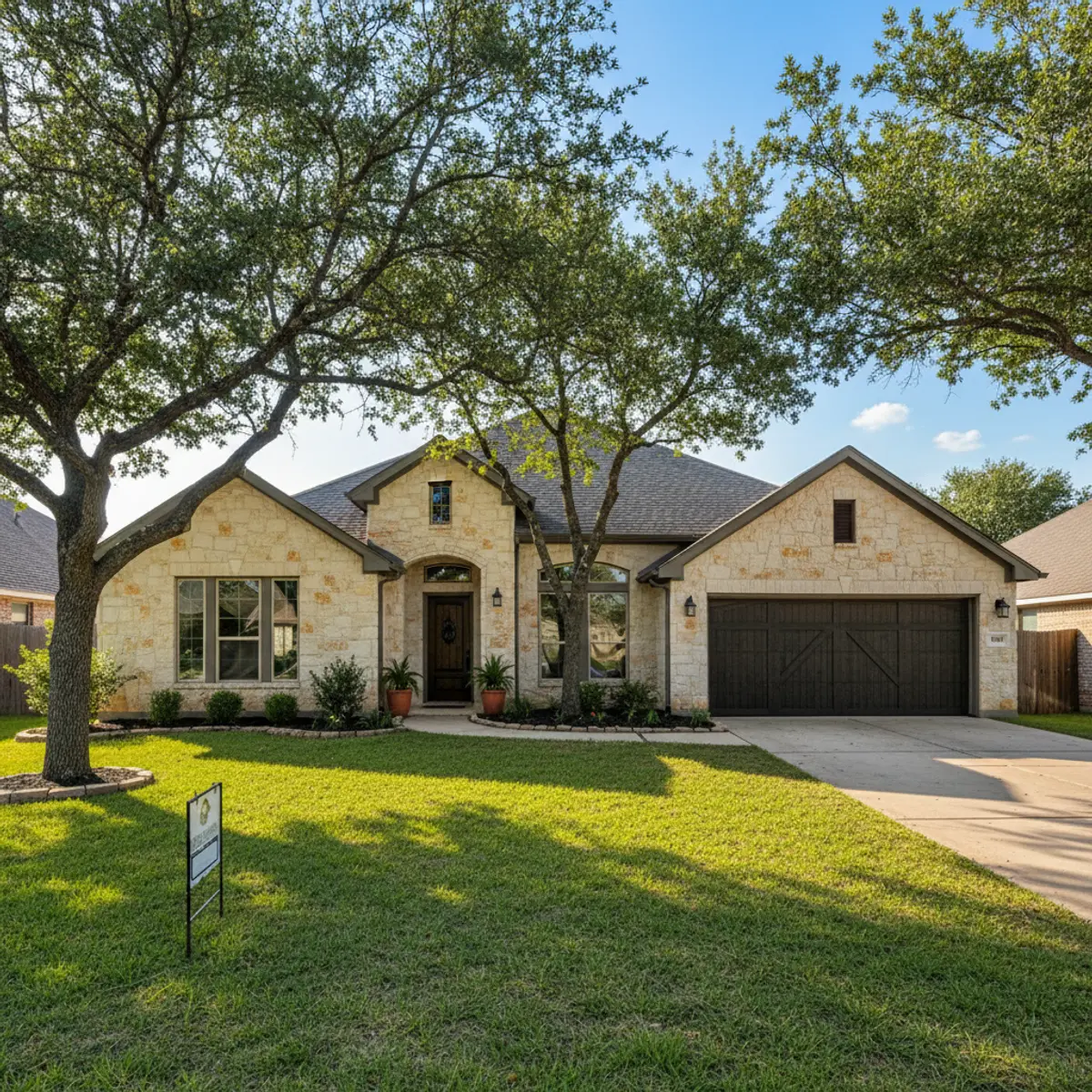
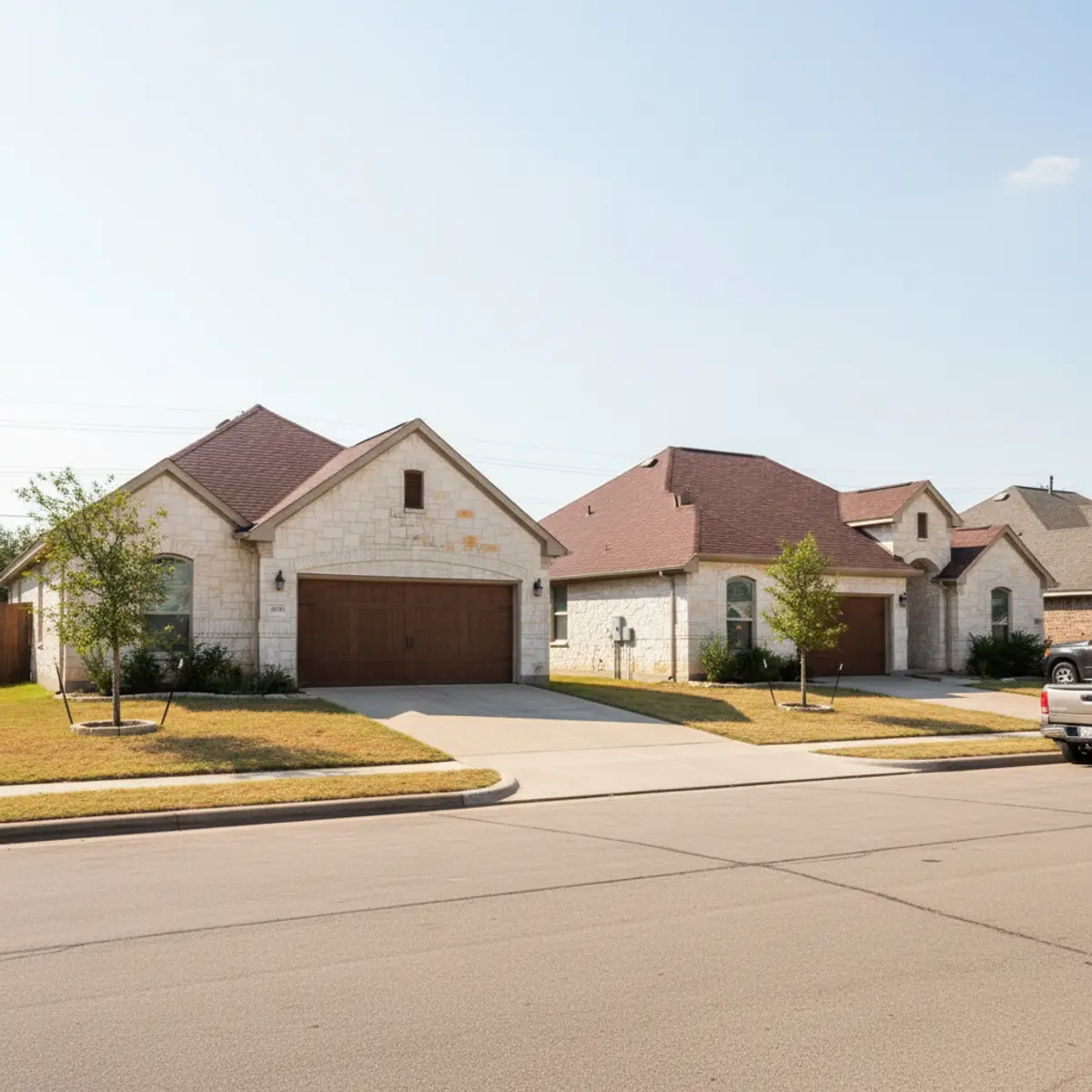
Ever notice how two houses in Round Rock can look identical from the street—yet one feels quiet and cool inside, and the other bakes like a greenhouse by 4 p.m.? If you’re comparing window companies for a smarter upgrade, Round Rock is the place where the details actually matter.
This guide is built for 78664 and 78681 homeowners dealing with three things at once: brutal sun bouncing off limestone and light concrete, highway noise from I-35 and Toll 45, and HOA architectural rules that don’t care about your Pinterest board. Here are five window upgrades that win on comfort, compliance, and resale.
Round Rock isn’t just “Austin, but north.” In many neighborhoods, sunlight reflects off pale limestone landscaping, light-colored masonry, and bright sidewalks—pushing extra radiant heat toward your glass. Add wide-open subdivisions with fewer mature trees, and your windows take a beating.
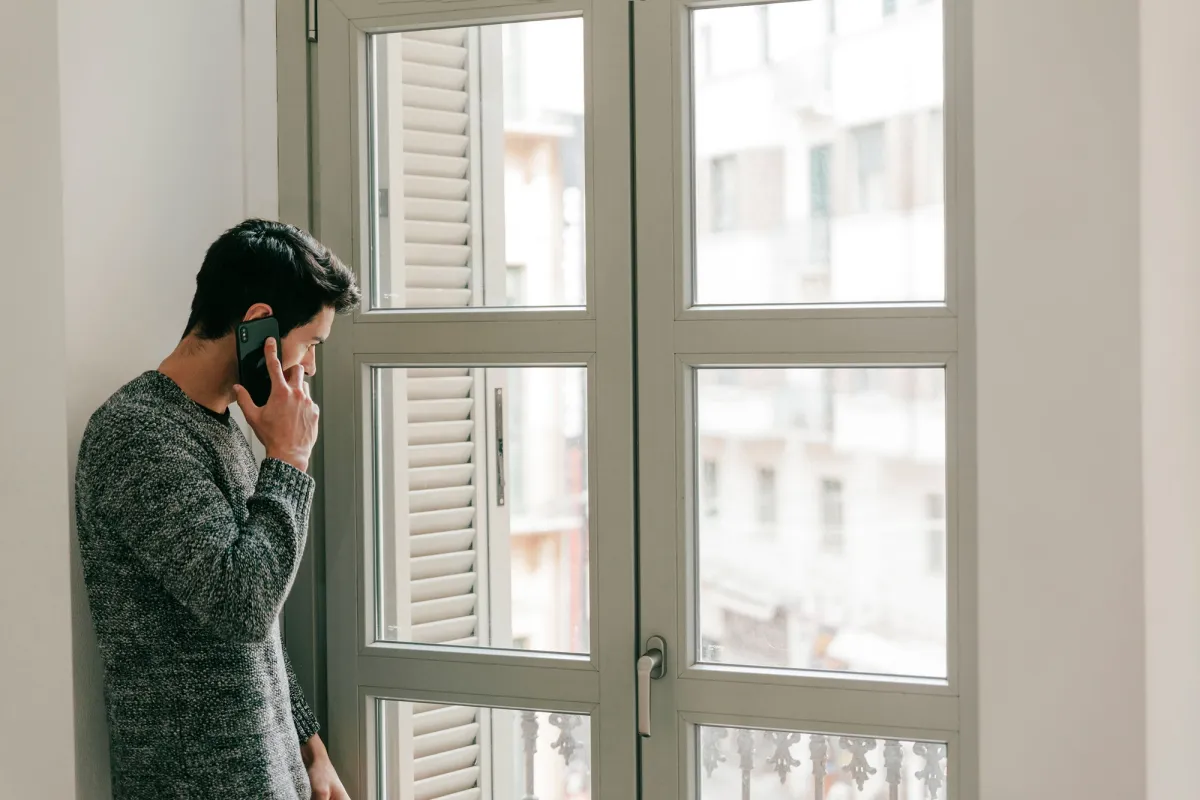
Then there’s the soundscape. Homes near I-35, SH 45 Toll, and major feeders like Gattis School Rd can have a constant low-frequency hum that standard “double-pane” marketing doesn’t solve.
Bottom line: generic advice like “get Low-E windows” or “upgrade to double-pane” is incomplete. You need the right glass package, the right frame color strategy for HOA approval, and the right installation details to make the upgrade pay off.
In many Round Rock master-planned communities, window changes aren’t just a “contractor decision.” They’re an Architectural Control Committee (ACC) decision. Neighborhoods like Teravista, Forest Creek, and Paloma Lake often require your replacement windows to match the home’s original style—sometimes down to grid pattern, frame color, and reflectivity.
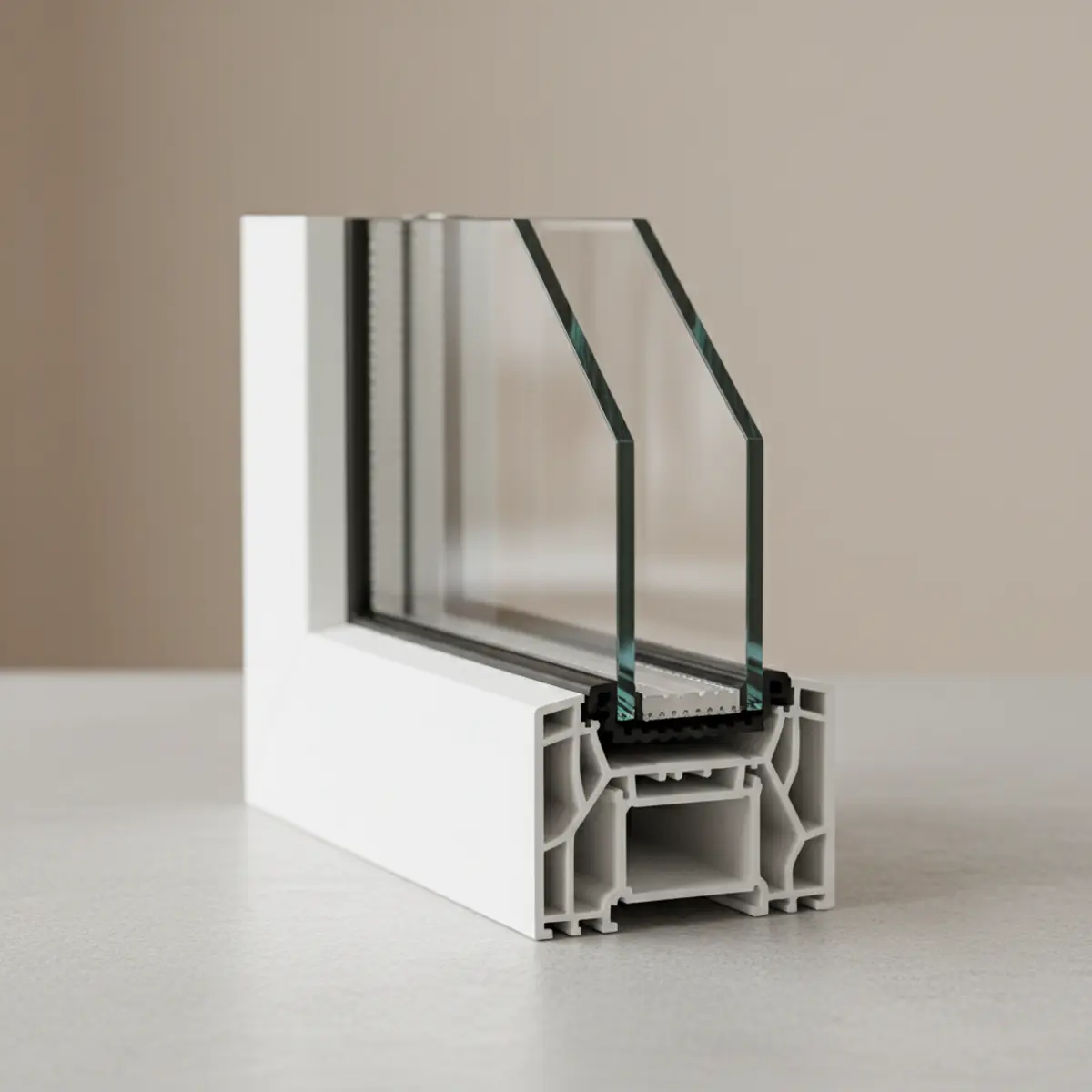
Black and bronze frames look sharp on stone and brick exteriors, but HOAs may flag anything that reads “too modern” or “non-uniform.” Here’s how to get the look and keep your application moving:
If you want a deeper dive on dark frames in Texas sun, this companion read helps you avoid heat-gain mistakes while keeping the modern look: the black window trend and how to manage heat gain.
If you can “hear the road” in your living room, replacing windows is one of the fastest ways to change how your home feels—but only if you choose the right build. The biggest misconception is that thicker glass alone fixes it. What you want is a package designed to reduce different sound frequencies.
Laminated glass (often used for security and storm resistance) can be a game-changer for noise because the interlayer dampens vibration. For homes impacted by highway noise, consider laminated glass on the most exposed elevations—typically the front and any side facing a major roadway.
Two panes of equal thickness can allow certain frequencies to pass through more easily. An asymmetric insulated glass unit (IGU)—where one pane is thicker—helps disrupt that sound pathway. Ask your installer about acoustic-focused IGU options and realistic expectations based on your distance to the road.
Don’t skip the install details: even the best glass won’t perform if the install is leaky. Proper shimming, air sealing, and exterior flashing matter as much as the window itself.
Round Rock heat isn’t just “hot air.” It’s radiant heat, and a lot of it hits your windows from multiple angles—direct sun plus reflection. That’s why your glass specs should focus on blocking solar heat gain without making your home feel like a cave.
When comparing quotes from window companies, ask for the performance numbers—not just “Low-E.” In our climate zone, you typically want:
For a technical baseline on what these ratings mean, the U.S. Department of Energy provides a clear overview here: https://www.energy.gov/energysaver/energy-efficient-windows.
And for label terminology you’ll see on product sheets (U-factor, SHGC, VT), NFRC is the gold standard: https://www.nfrc.org/.
Here’s the surprising part: your best window spec might differ by side of the house. West-facing windows often need the most aggressive solar control. North-facing windows can prioritize visible light. A good plan can balance comfort and aesthetics without fighting the HOA.
If you want a Texas-specific breakdown of what “energy efficient” really means in practice, this guide is worth bookmarking: the best energy-efficient windows for Texas homes.
In Round Rock, buyers notice windows in two ways: curb appeal and comfort. The styles that tend to bring the best ROI are the ones that look “original to the neighborhood” but perform like a modern build.
What’s currently winning:
Translation: the best “resale” windows aren’t always the flashiest. They’re the ones that fit the neighborhood’s architecture and remove common buyer objections (noise, hot rooms, high utility bills).
If you’re serious about replacing windows in Round Rock, start with a short checklist:
For homeowners who want a local, detail-driven approach, Austin Pro Siding offers dedicated support for Round Rock and can help you compare options through our window services page. If you’d like a straightforward recommendation based on your elevation, noise exposure, and HOA rules, you can contact us here to schedule a consultation.
Want to see what other Central Texas homeowners say about the experience? Browse our customer reviews for real-world feedback.
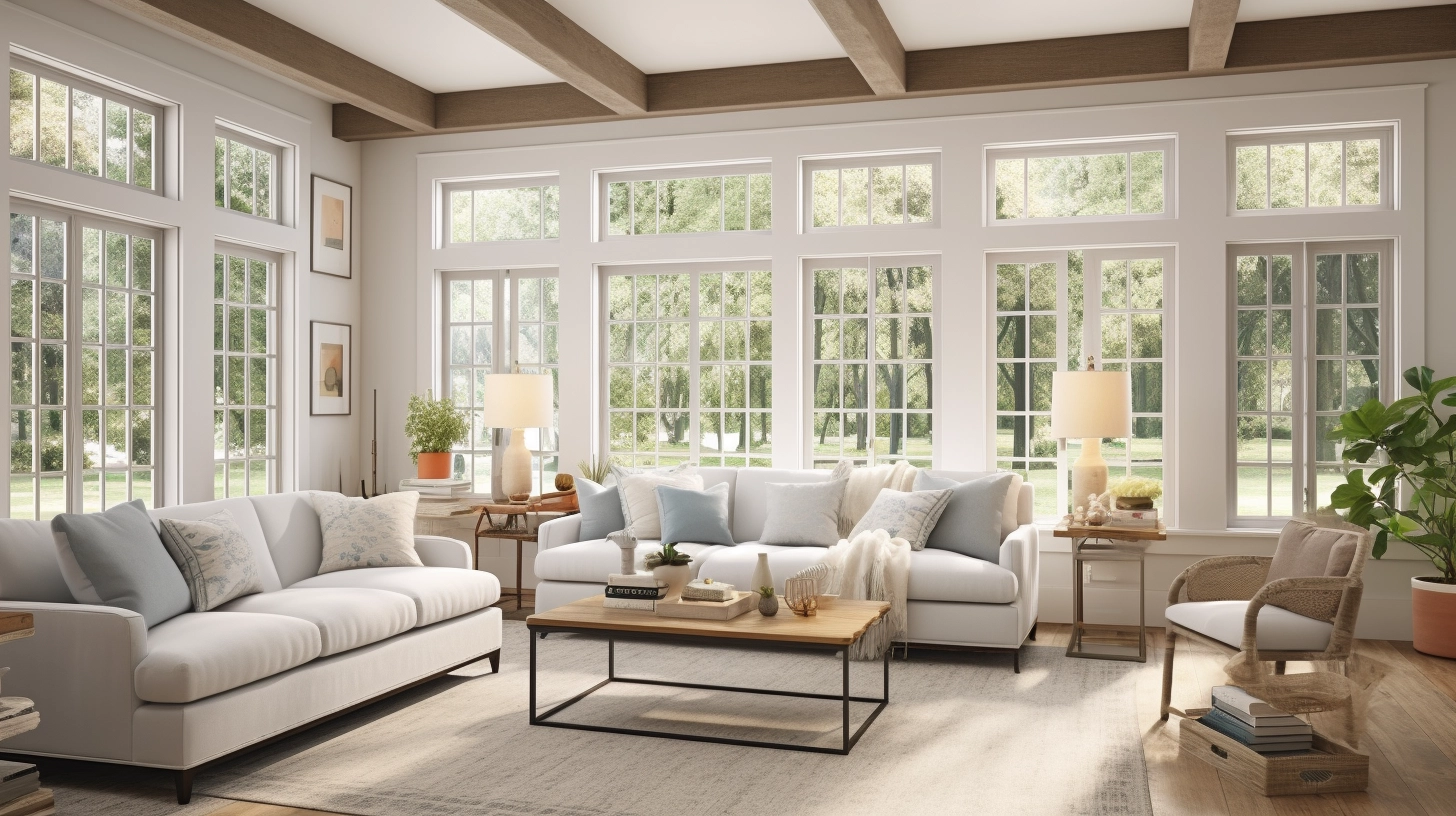
Navigate the world of window styles, materials, and features with our comprehensive guide to finding the perfect windows for your needs.
Confused by types? We decode the differences between gable, hip, and flat roof systems.

From vinyl to fiber cement, we dive deep into the pros and cons of today's top siding materials to help you find your home's "perfect skin."
Planning an exterior update? Keep these three critical factors in mind—durability, aesthetics, and maintenance—to select the perfect siding.12
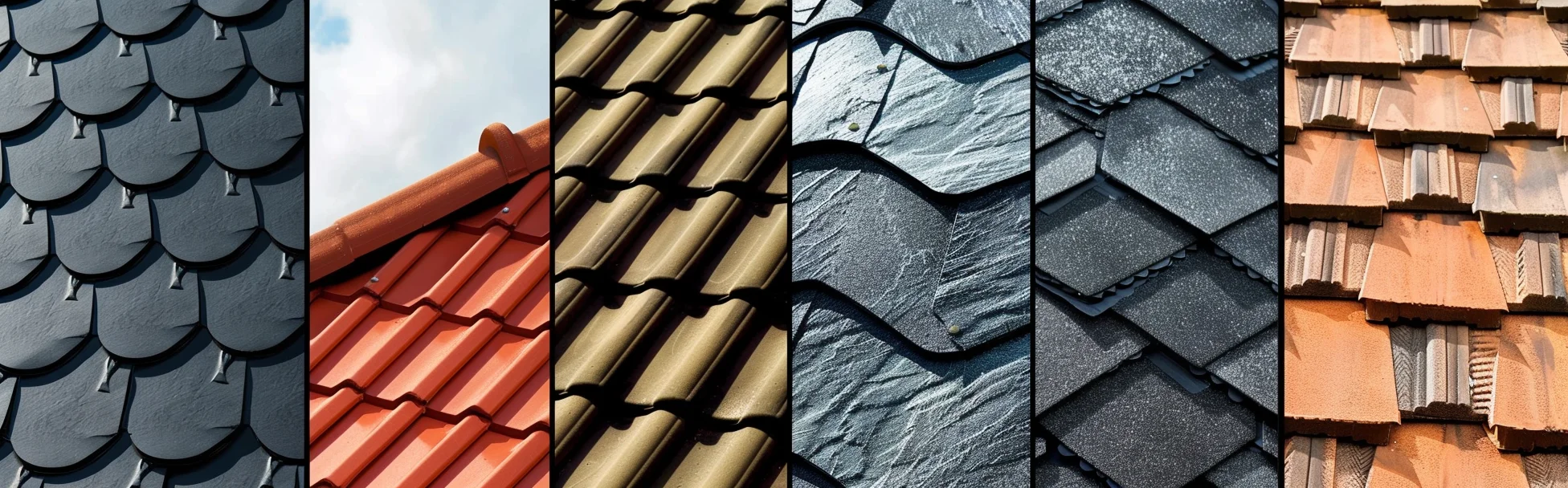
Your roof should look good and perform better. Explore the intersection of architectural style and structural integrity in modern roof design.
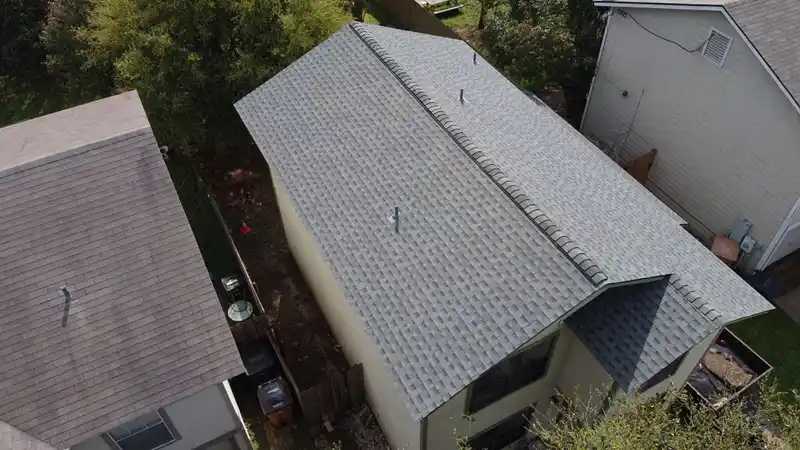
Get ready for roofing day with this simple guide. Learn how to protect your property and prepare your family for a smooth installation process.

Austin Pro crafts exteriors that not only captivate but also promise steadfast protection and reliability, embodying the vibrant spirit of Austin in every facade. Your home's exterior is its silent storyteller and first impression; let us help it speak volumes without uttering a word.