Menu
< Main Menu
Social Media






If you live in Austin, you’ve probably had this thought during a spring storm: “Is my roof about to become a deductible?” Here’s the surprising part: a Class 4 impact-resistant roof can do more than survive Texas hail—it can also help you qualify for meaningful insurance premium discounts, sometimes up to 30%, depending on your carrier and policy.
In this guide, you’ll learn what “Class 4” actually means (no marketing fluff), how the UL 2218 test works, and how to run the simple math to see whether the upgrade pays for itself. We’ll also bust the biggest myth in roofing—no, you don’t need a metal roof to get serious hail protection—and we’ll close with impact-resistant shingle brands that perform well in Central Texas heat.
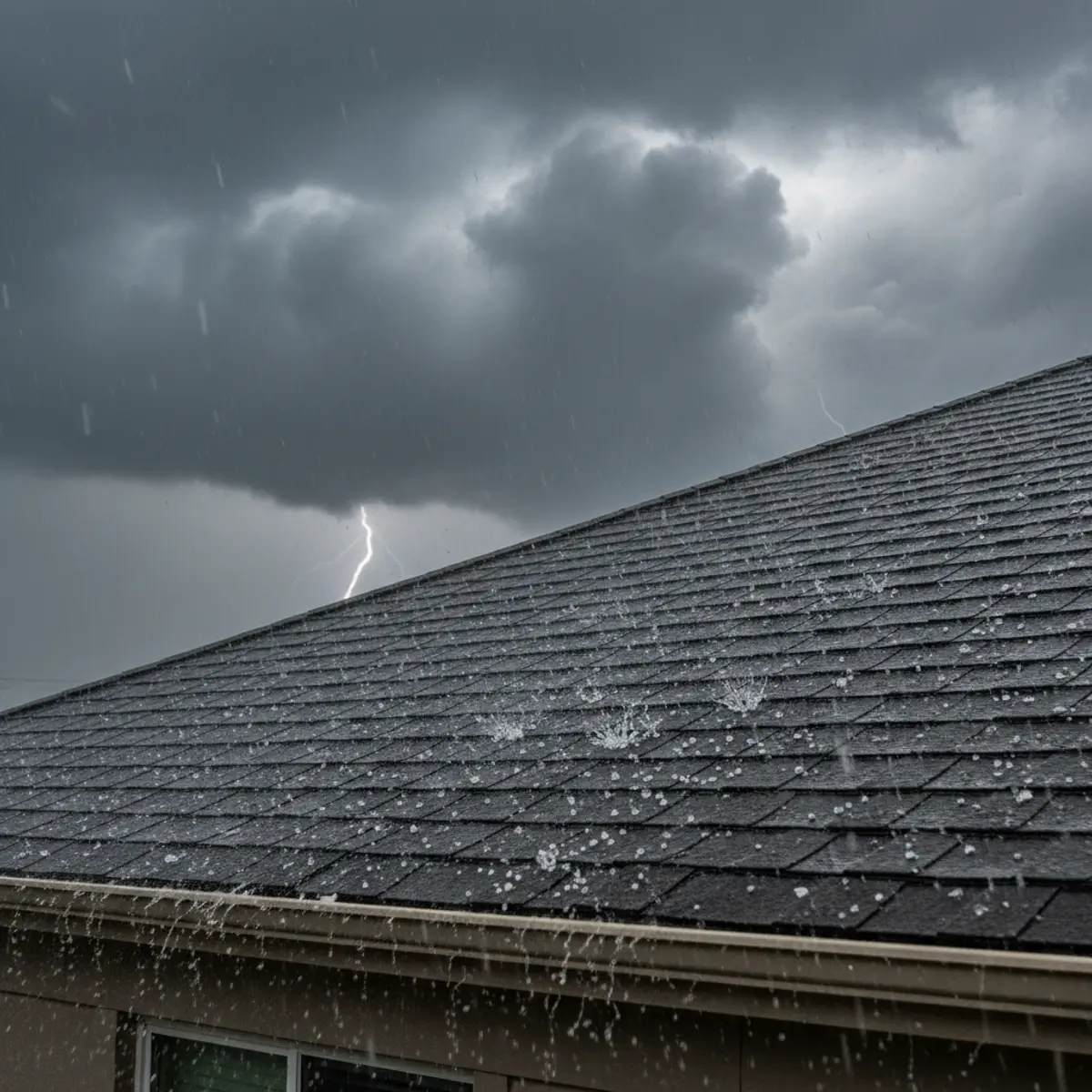
Texas weather isn’t just a conversation starter. It’s an underwriting problem.
Hail claims are one of the biggest drivers of roof replacements in the state, and insurers price that risk into your premium. The result: more homeowners in hail-prone areas like Austin are getting renewal letters that feel like a surprise tax.
Hail doesn’t just damage shingles. It triggers a chain reaction:
The Texas Department of Insurance tracks how catastrophes impact the market and consumer costs, including hail and wind events. If you want a clear, non-sales explanation of how the system works, start here: Texas Department of Insurance (TDI).

Now for the curiosity gap: insurers don’t just price risk. They also reward mitigation. And that’s where Class 4 roofing can change your premium math.
“Impact-resistant shingles” is a broad phrase. “Class 4” is a specific standard tied to a specific test method—UL 2218.
UL 2218 is a test for impact resistance of roofing materials. In plain English: a lab drops steel balls from set heights onto roofing samples to simulate hail impacts, then evaluates whether the material cracks or splits.
The Class ratings (1 through 4) correspond to increasing impact severity. Class 4 is the highest rating under this standard.
You can read the official overview from UL Solutions here: UL 2218: Impact Resistance of Roofing Materials.

A Class 4 rating doesn’t mean your roof is invincible. It means the product performed to a high benchmark in controlled testing. Real storms vary—hail size, wind speed, roof age, installation quality, and even attic ventilation can change outcomes.
That said, Class 4 shingles can reduce damage frequency and severity. And insurers love anything that reduces claim probability.
This is where most homeowners get stuck: “Sure, it’s better. But is it worth it?” Let’s make it concrete.
Assume:
Now the savings:
Even at a modest 10% discount, a $2,500 upgrade can pay back in about 7 years. At 20%, it’s closer to 3–4 years. That’s before you factor in the potential value of fewer repairs, fewer claim headaches, and a roof that holds up better in a brutal summer.
Discounts aren’t automatic. Here’s the proven checklist that gets you to “yes” faster:
Want a starting point for how insurers evaluate mitigation and roof-related risk? The Insurance Institute for Business & Home Safety (IBHS) is one of the most respected organizations in this space: IBHS.
Action step: Before you sign a roofing contract, call your carrier and ask: “What discount do you offer for UL 2218 Class 4 impact-resistant shingles, and what proof do you need?” Write down the answer. That one call can change your payback timeline dramatically.
In Texas, “hail-resistant roof” often gets translated to “metal roof.” Metal can be a strong choice—but it’s not the only path to Class 4 performance.
Many polymer-modified asphalt shingles are engineered specifically to meet UL 2218 Class 4. They can look like standard architectural shingles, but their construction is designed to absorb impact energy better.
Why homeowners like them:
Even the best shingle can underperform if the roof system is weak. In Austin’s heat and storm cycles, details matter:
If you’re comparing options, it helps to understand how roofing components work together. See: How a Roofing System Works (Not Just Shingles).
Austin roofs face a weird combo: punishing UV exposure, big temperature swings, and hail that can go from “pea-sized” to “golf ball” faster than you can move your car under cover.
Here are widely used, reputable product lines that are commonly available with UL 2218 Class 4 options (always verify the exact model and documentation with your contractor and insurer):
GAF is one of the largest roofing manufacturers in North America. Their impact-resistant line is commonly specified in hail regions. Product details: GAF ArmorShield II.
Owens Corning’s FLEX line is frequently discussed for hail performance and is designed with impact resistance in mind. Product details: Owens Corning Duration FLEX.
CertainTeed’s NorthGate is a well-known impact-resistant shingle line often referenced in hail-prone markets. Product details: CertainTeed NorthGate.
Atlas offers impact-resistant options that aim to blend performance with a higher-end look. Product details: Atlas StormMaster Shingles.
If you’re planning a replacement soon, also read: Austin Roof Replacement Cost: What Homeowners Miss and Home Upgrades That Can Lower Insurance Premiums.
Most home upgrades are either “nice to have” or “painful but necessary.” A Class 4 impact-resistant roof can be both protective and financially smart—especially in Texas, where hail isn’t an exception. It’s a season.
Your next move is simple: get a quote for a UL 2218 Class 4 shingle option, then call your insurer and ask exactly what discount it triggers. If the numbers work, you’re not just buying shingles. You’re buying fewer surprises—on your roof and in your renewal letter.
Next steps: Class 4 Shingles Upgrade Checklist (Printable).
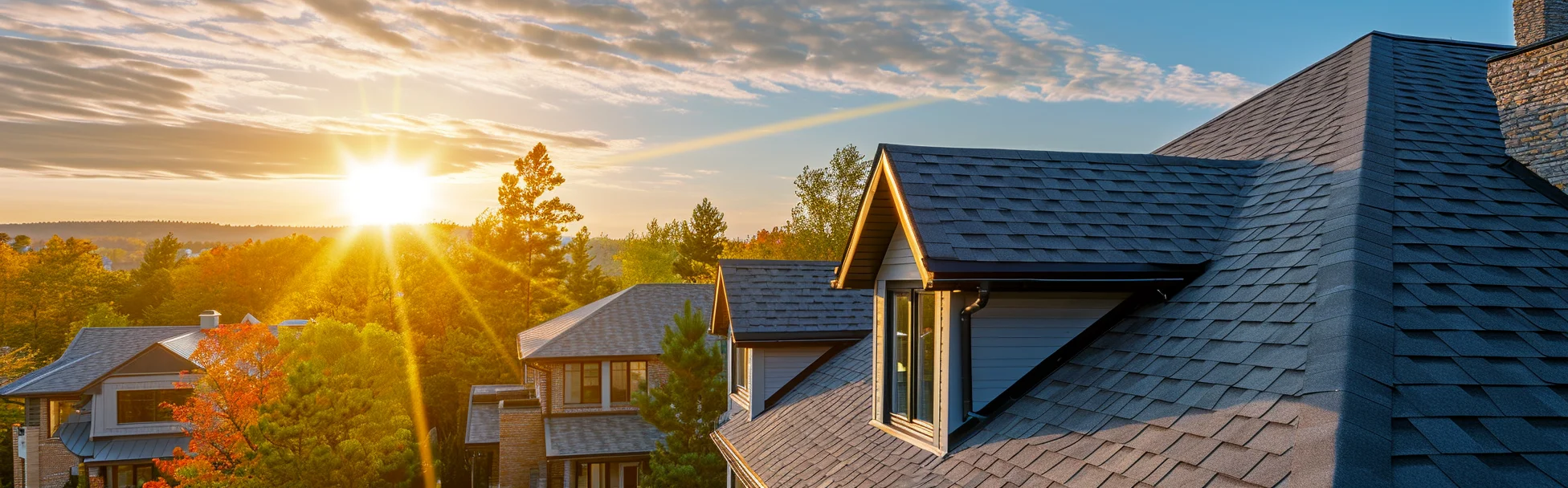
Texas weather demands tough roofs. Learn how tailored roofing solutions can withstand Austin's heat, storms, and unique climate challenges.

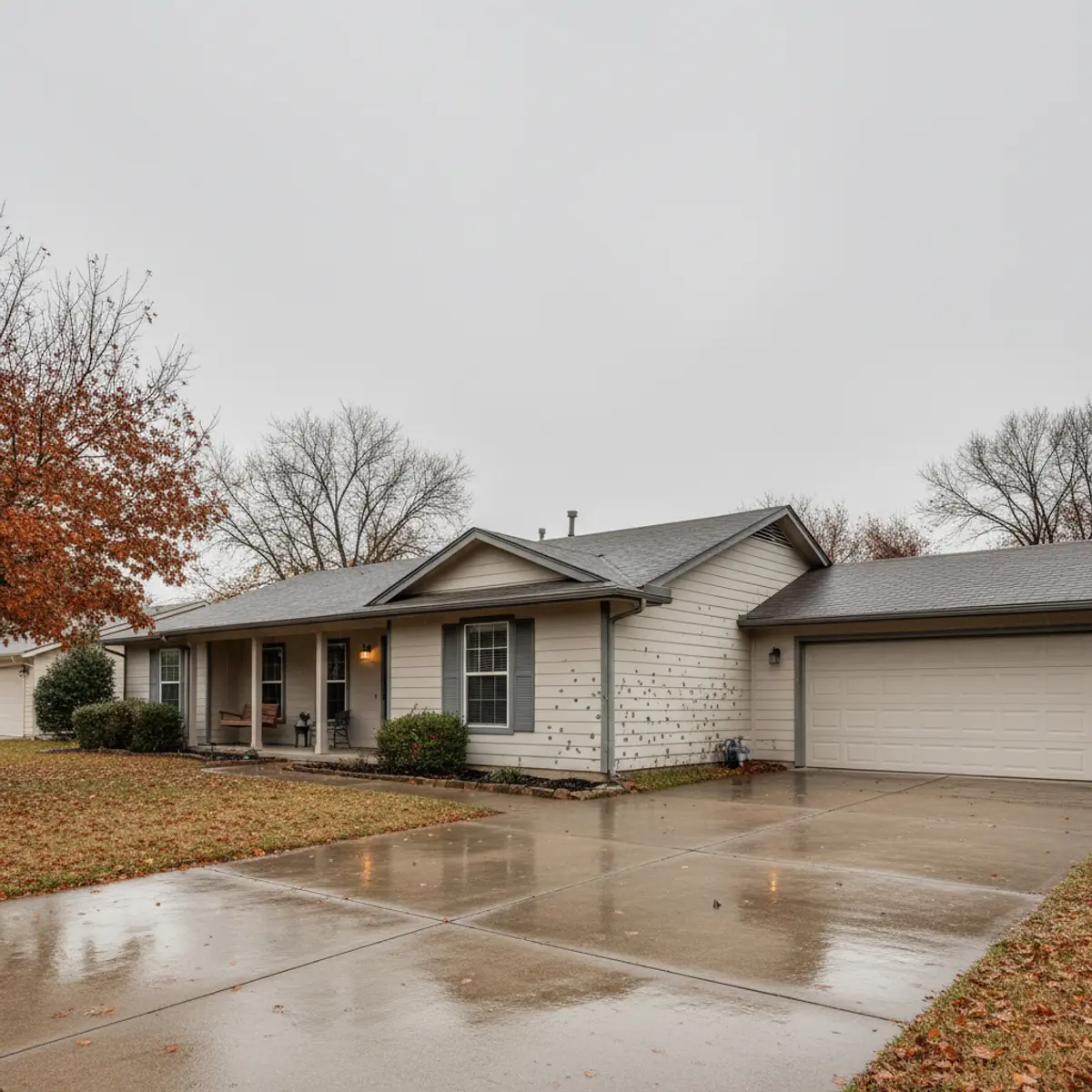
Hail dents that look cosmetic can hide cracks, loosen seams, and compromise your home’s water barrier—especially in Austin’s humidity. Learn what to check on siding and windows, how to document damage for insurance, and when to schedule a professional inspection.
You don't need a fortune to transform your home. Discover cost-effective strategies to enhance your exterior and boost curb appeal instantly.
Discover how the right trim adds character and defines your home’s architectural style.
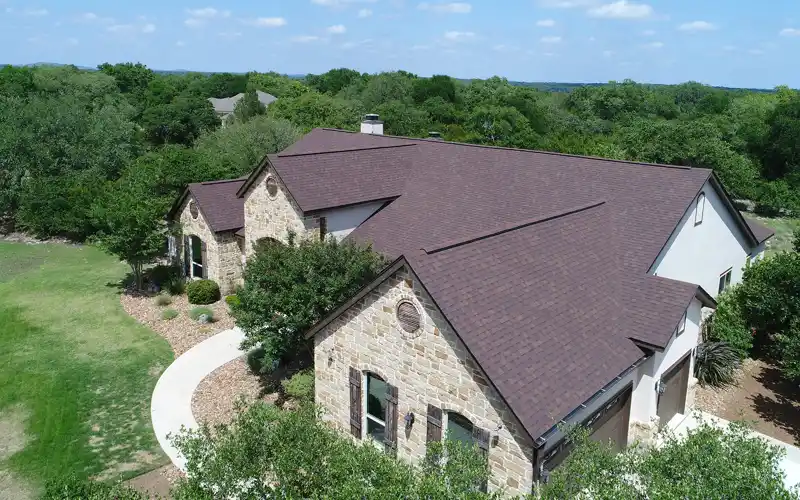
The foundation of your roof matters. Learn why damaged decking requires replacement rather than repair to ensure structural integrity.
Set the mood outdoors. Explore creative lighting ideas to illuminate your patio and yard.

Austin Pro crafts exteriors that not only captivate but also promise steadfast protection and reliability, embodying the vibrant spirit of Austin in every facade. Your home's exterior is its silent storyteller and first impression; let us help it speak volumes without uttering a word.