Menu
< Main Menu
Social Media




Lorem ipsum dolor sit amet, consectetur adipiscing elit, sed do eiusmod tempor incididunt ut labore et dolore magna aliqua. Ut enim ad minim veniam, quis nostrud exercitation ullamco laboris nisi ut aliquip ex ea commodo consequat. Duis aute irure dolor in reprehenderit in voluptate velit esse cillum dolore eu fugiat nulla pariatur.
Block quote
Ordered list
Unordered list
Bold text
Emphasis
Superscript
Subscript
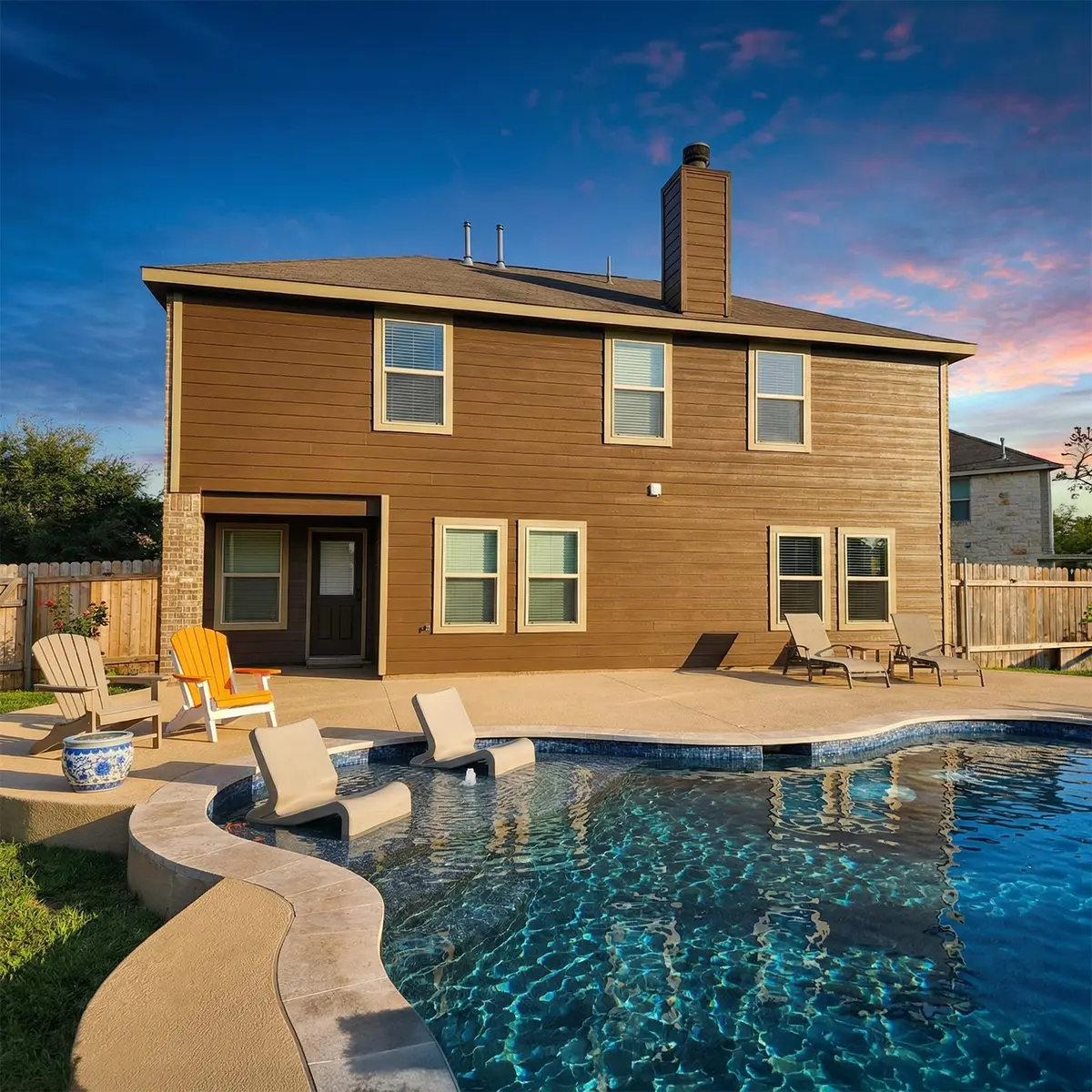
Charcoal and near-black exteriors are everywhere right now—from modern farmhouses to updated ranch homes—and it’s easy to see why. Dark siding looks architectural, clean, and intentional. But in Austin (and across Central Texas), the same sun that makes outdoor living so appealing can also punish the wrong exterior choices. If you’ve ever seen warped vinyl, chalky paint, or uneven fading on a south-facing wall, you already know: heat and UV exposure are design variables, not afterthoughts.
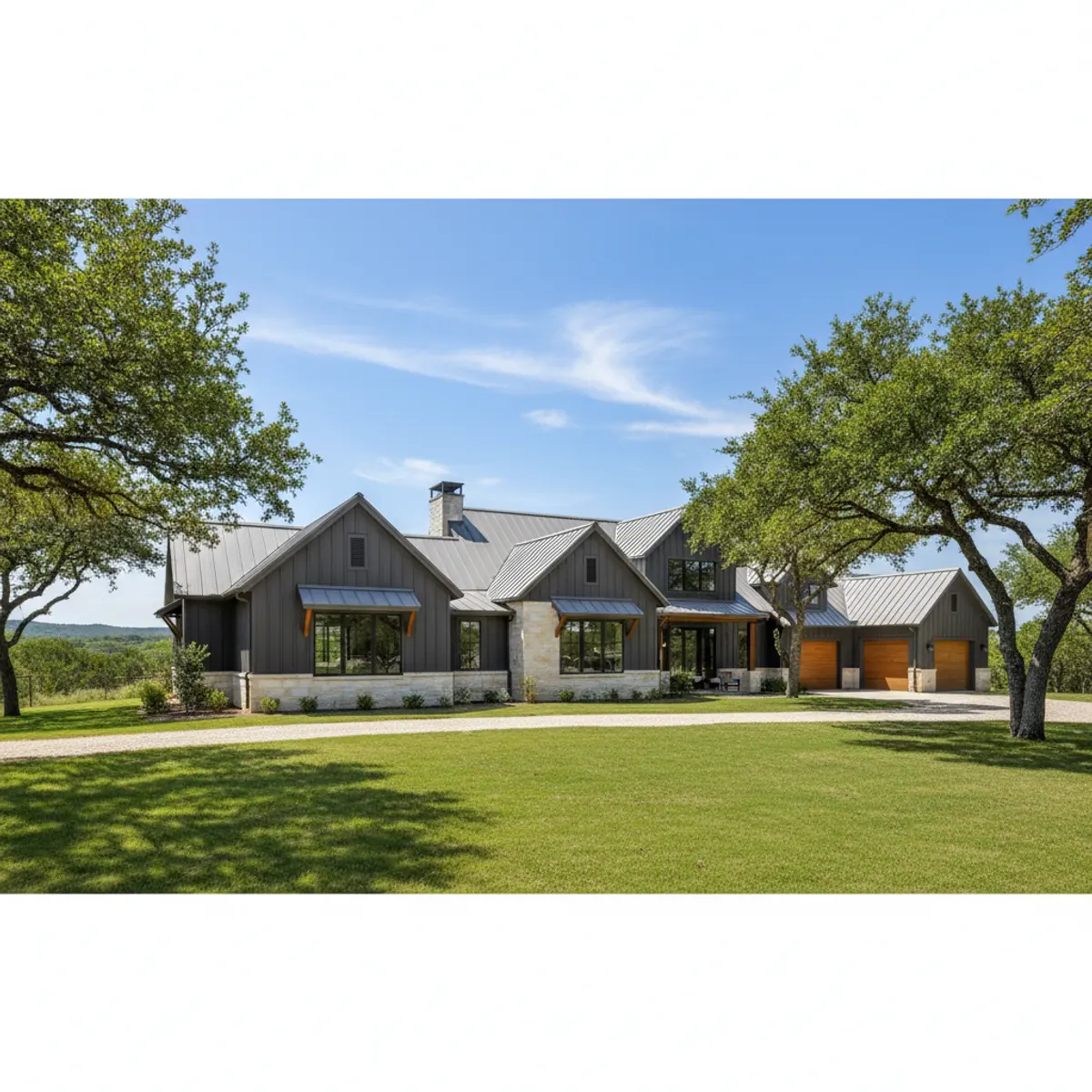
This guide breaks down how to get the “moody exterior” look safely in the Texas climate, with a focus on smart material selection, color strategy, and heat-mitigation upgrades that protect your investment.
Dark exteriors have surged because they do three things exceptionally well:
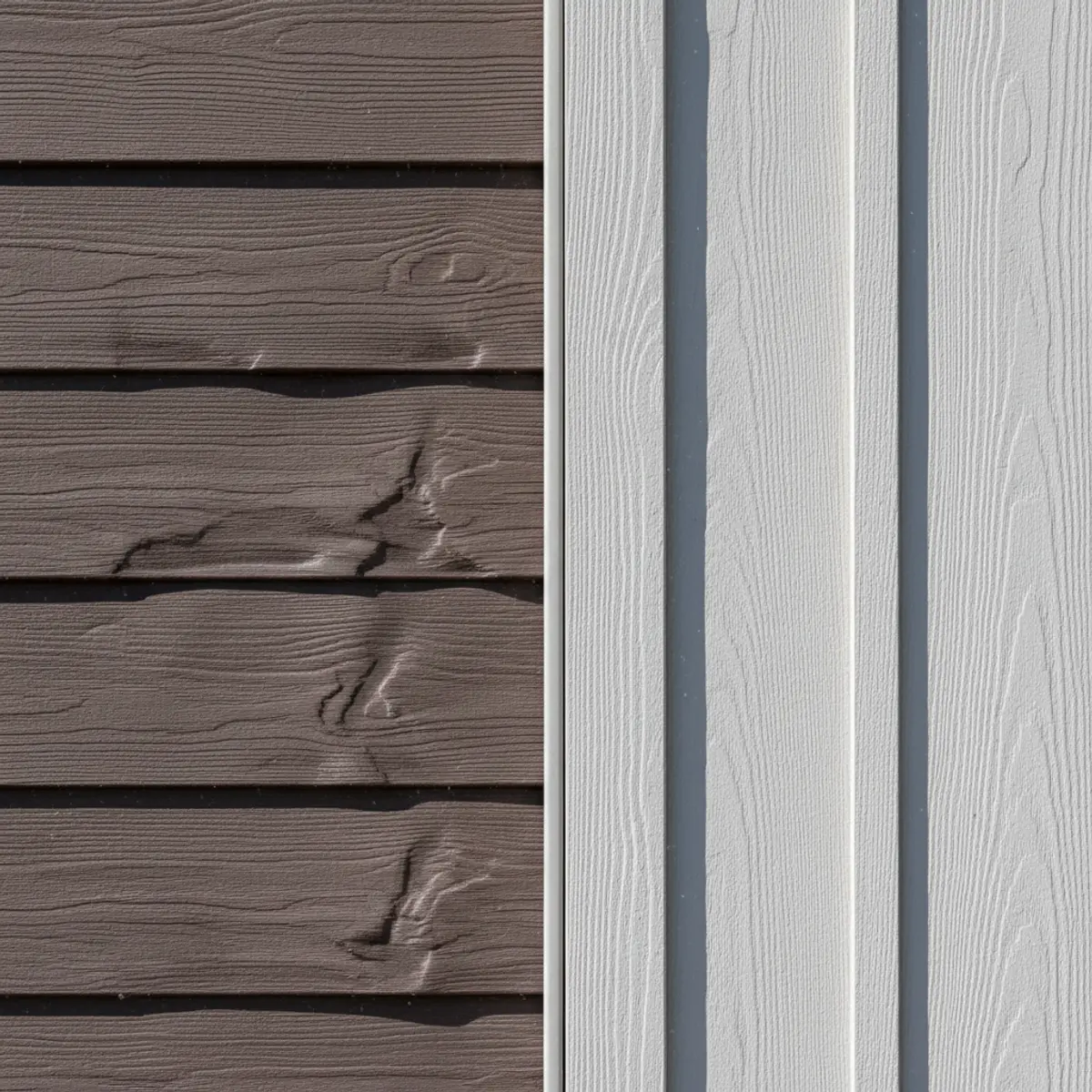
In Austin neighborhoods where styles vary block-to-block, a dark exterior can also create a strong identity without requiring a full architectural remodel. But the look only works long-term if the siding and finish are designed to handle heat, UV, and daily thermal cycling.
Texas heat changes the rules. Dark colors absorb more solar energy, which drives surface temperatures higher—especially on walls with full afternoon sun exposure. That can be a problem for many standard vinyl siding products and field-applied paint systems.
Vinyl expands and contracts with temperature changes. When you take a light-colored vinyl product and repaint it a much darker shade, you can dramatically increase heat absorption. The result can be:
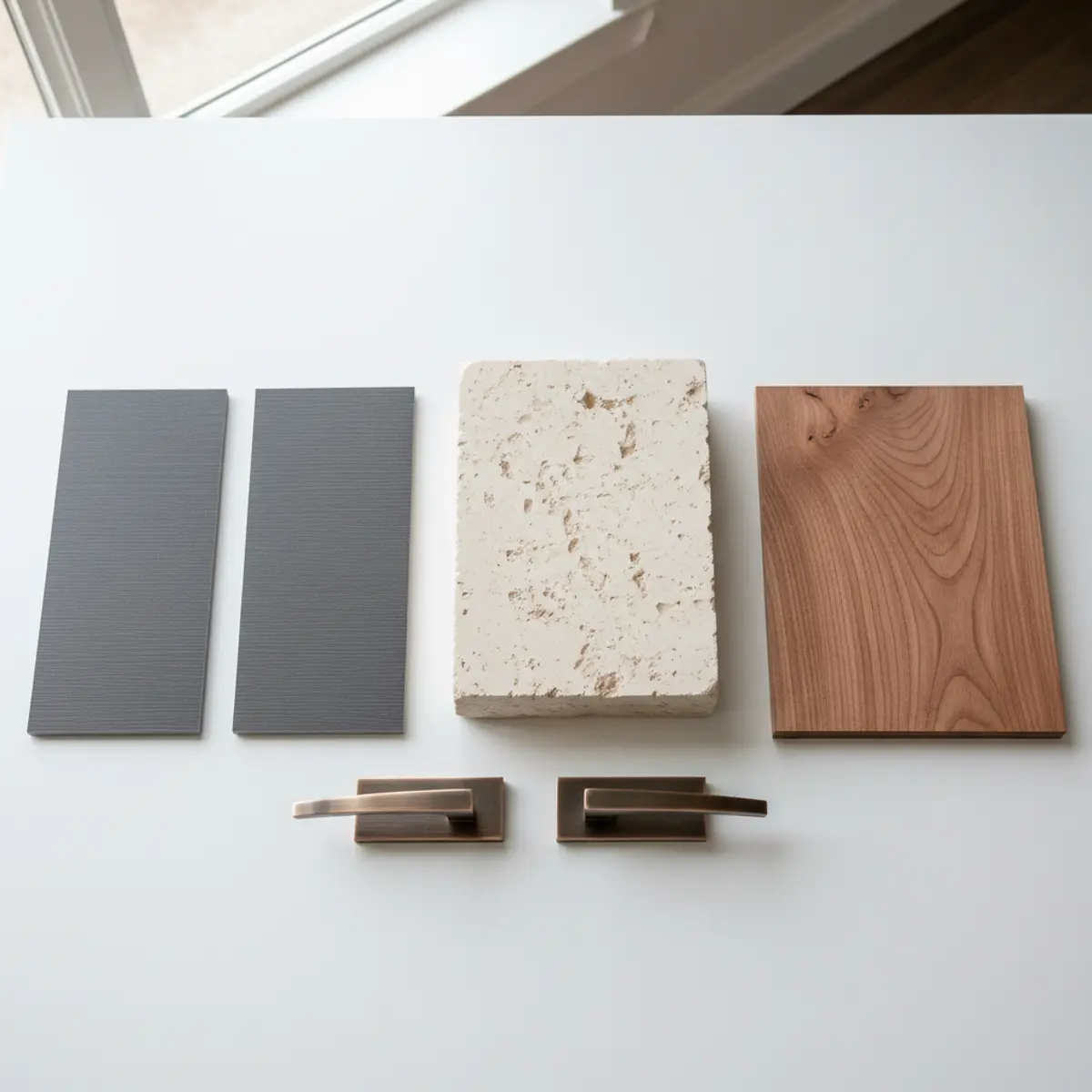
Austin isn’t just hot—it’s intensely sunny, and many homes see large temperature swings between morning and late afternoon. Those repeated cycles accelerate material stress. Before committing to a black or charcoal exterior, confirm the siding material is engineered for heat and that the color system is designed to resist UV degradation.
If you want a dark exterior in Central Texas, fiber cement is often a safer starting point than standard vinyl—especially when paired with a factory-applied finish system designed for durability.
Fiber cement siding is non-combustible, dimensionally stable, and built to handle harsh weather. It’s also less prone to the dramatic heat-related movement that can affect vinyl. That matters when you’re choosing darker colors that run hotter in direct sun.
James Hardie offers ColorPlus® Technology, a factory-applied finish baked onto the product under controlled conditions. Compared to many field-painted jobs, a factory finish can deliver more consistent coverage and better resistance to common exterior issues.
For a moody exterior, the practical advantages include:
Bottom line: if you’re set on charcoal or black, start with a siding and finish system designed to perform—not just to look good on day one.
Even with the right siding, a dark exterior can contribute to higher heat gain around openings and on sun-facing walls. The goal isn’t to fear dark colors—it’s to balance them with smart envelope choices.
Low-emissivity (Low-E) coatings help reduce solar heat gain while still letting in natural light. If you’re remodeling the exterior, it’s a good time to evaluate window performance—especially on west-facing elevations that get punishing afternoon sun.
To learn what Low-E does and how it’s rated, see the U.S. Department of Energy’s guide to energy-efficient windows and the ENERGY STAR window resources.
A dark exterior doesn’t automatically mean a hot interior—but weak insulation and air leaks can make any home uncomfortable. Prioritize:
For a credible overview of insulation basics and R-values, reference the ENERGY STAR sealing and insulation guidance.
Not all darks read the same in Austin’s bright daylight. Here are three palette directions that consistently work well in Central Texas, plus pairing tips to keep the exterior from feeling flat.
Iron Ore-style charcoals (often with a subtle warm undertone) pair beautifully with Austin’s common materials: Texas limestone, buff brick, and cedar accents. Consider:
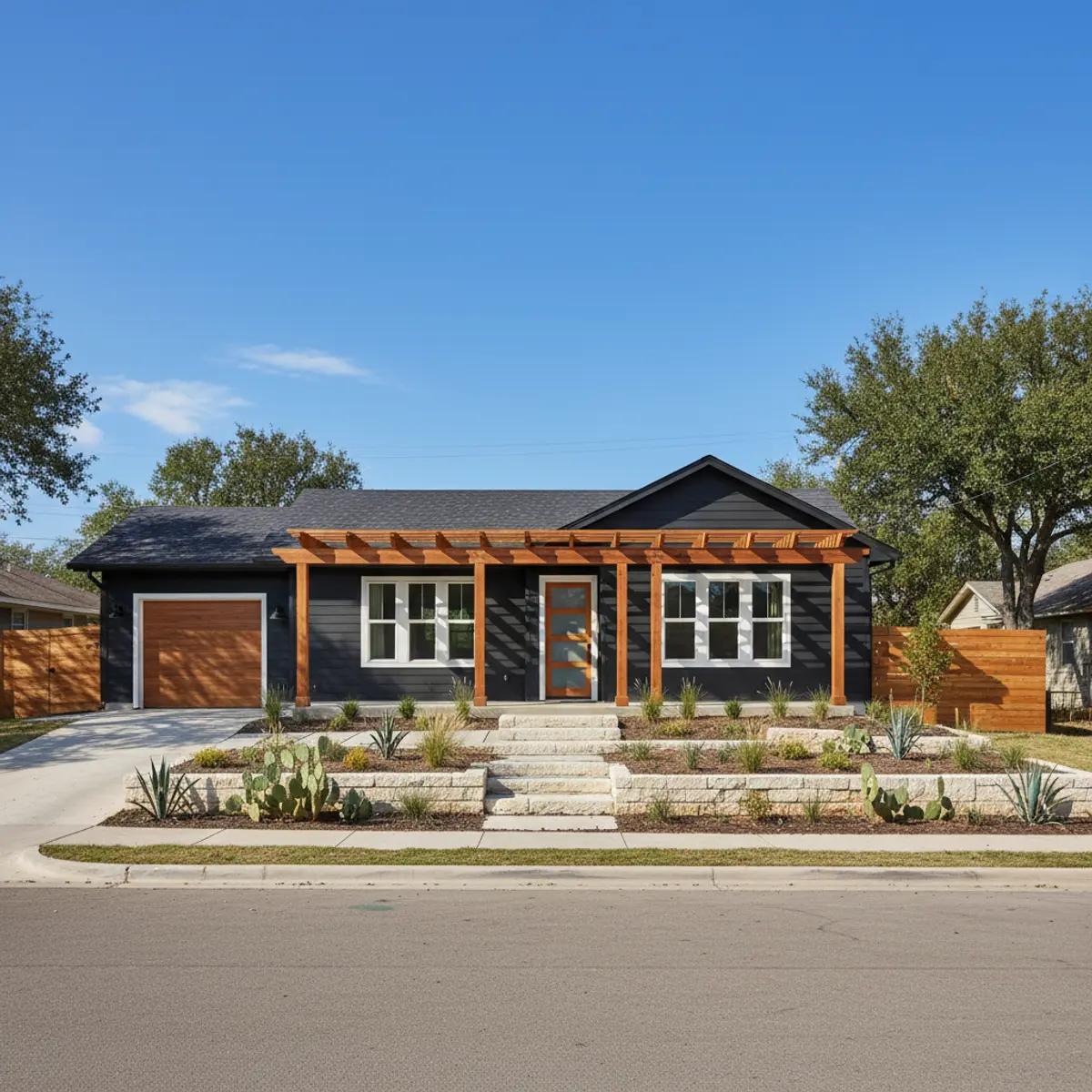
Deep Ocean-style colors read as sophisticated and coastal-adjacent without looking out of place inland. In Austin, this shade can feel especially refined on simple forms like ranch homes and contemporary builds.
Anthracite is a cooler, more architectural dark gray that looks sharp with metal roofing, black window frames, and minimalist landscaping. It’s a strong choice if you want a modern exterior without going fully black.
A moody exterior can absolutely work in the Texas sun—but only if you treat heat and UV like core design inputs. Start with the right siding and finish, offset the heat with smart envelope upgrades, and choose dark palettes that complement Austin’s natural materials. Done well, your charcoal or near-black exterior won’t just look striking—it’ll stay that way.
Next step: If you’re planning a remodel, collect photos of your home’s most sun-exposed elevations (especially west and south). Those views should guide your material choice, color depth, and where you invest in shading, windows, and insulation.
For additional product and installation considerations, you can also explore guidance from the National Association of Home Builders on building best practices and homeowner education.
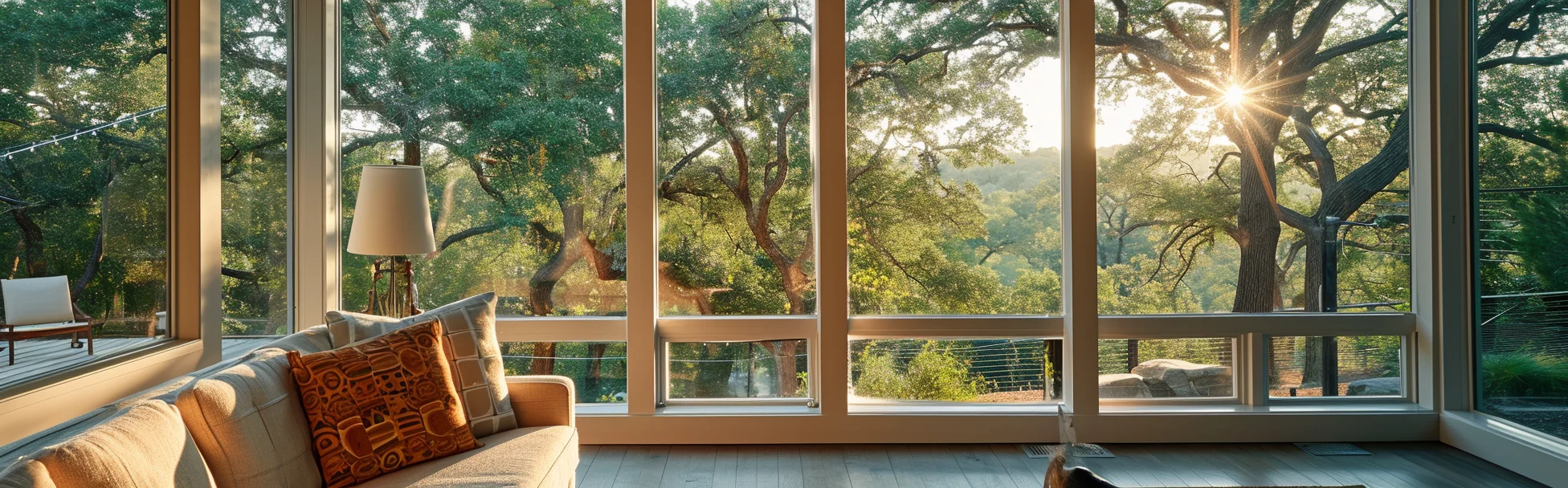
Lower your bills and increase comfort. Learn how energy-efficient windows reduce heat transfer and keep your home's climate controlled.

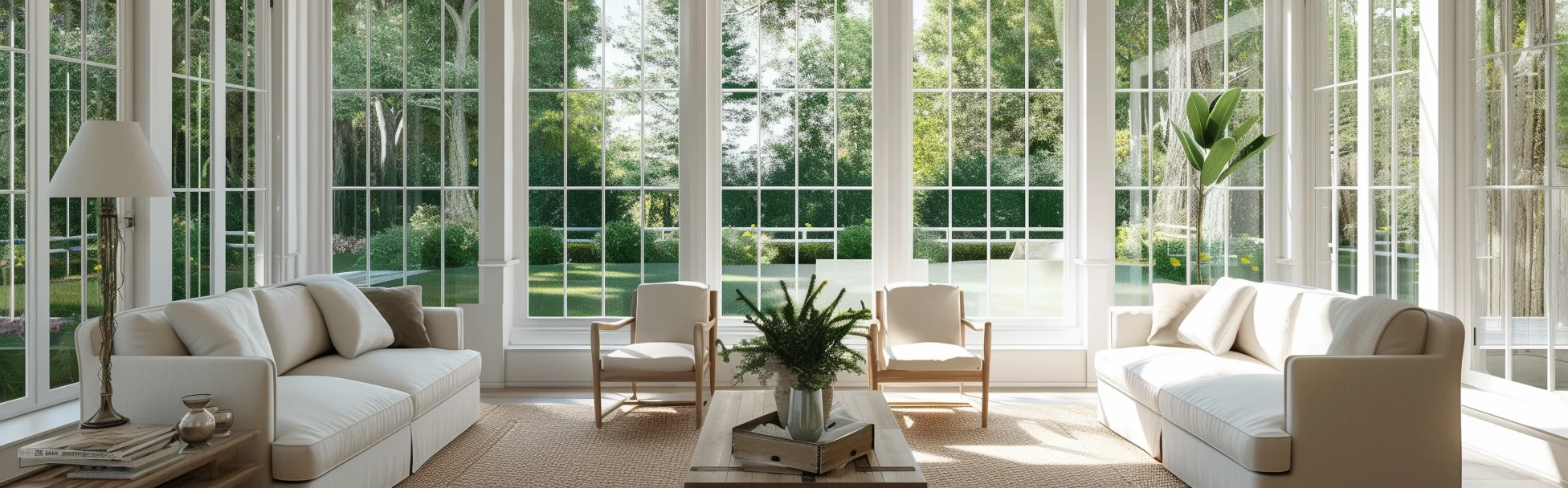
Transform your living space with modern windows that boost light, style, and efficiency.
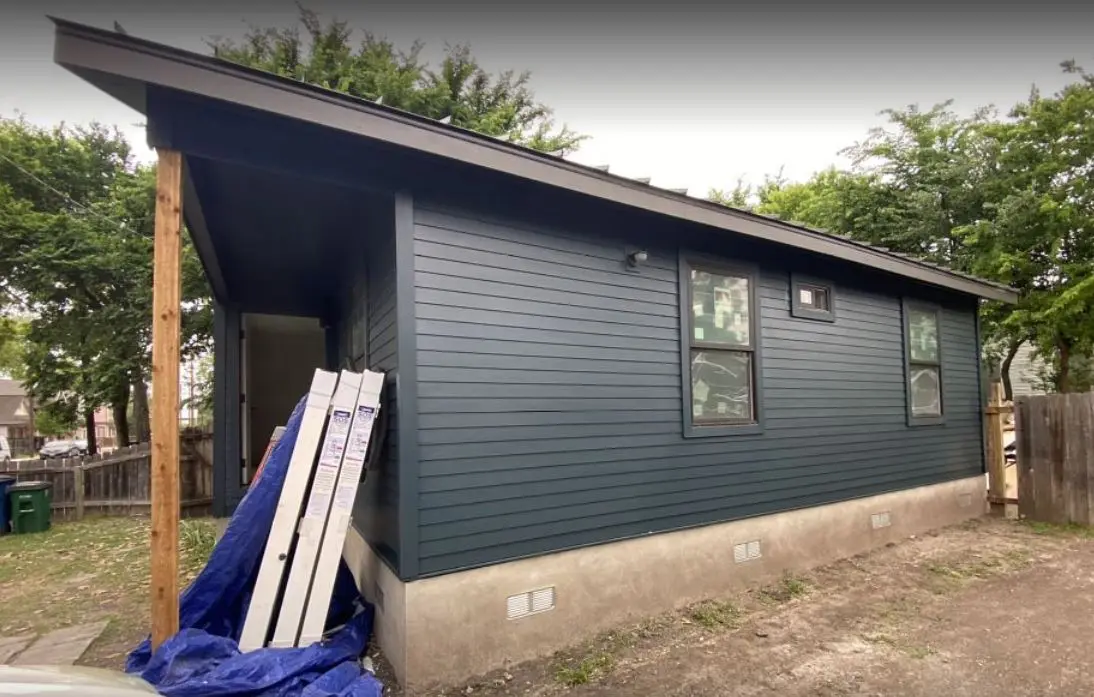
Learn how the HardieZone® system delivers siding specifically engineered for your local climate.
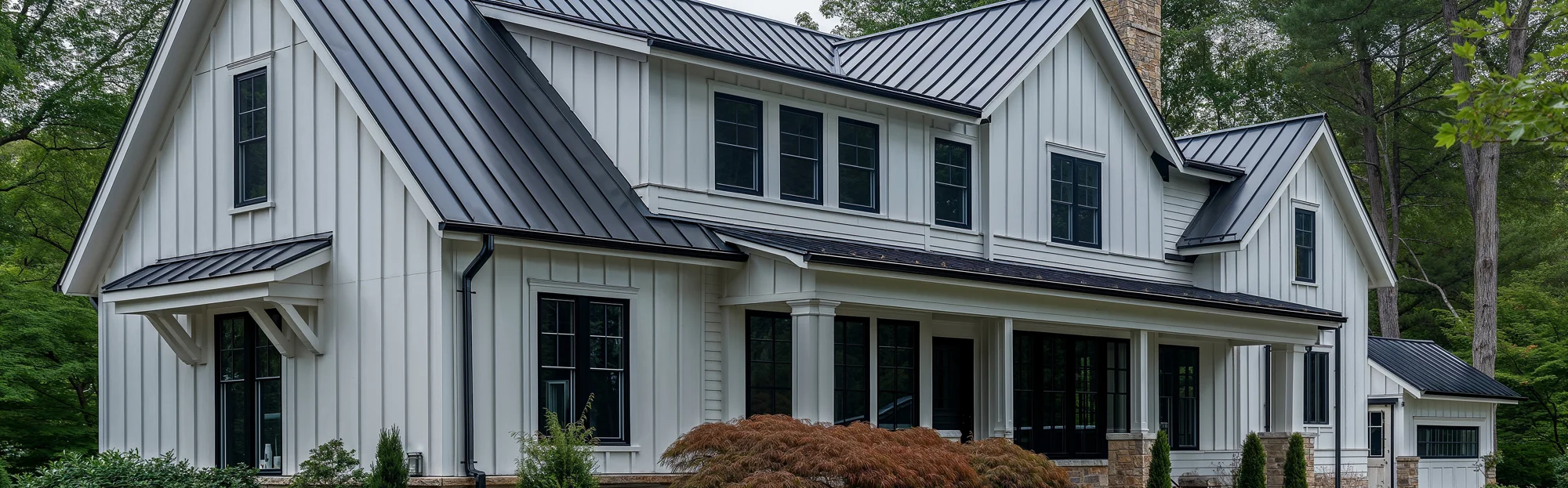
Achieve a timeless farmhouse look with board and batten siding. Learn about the history and modern application of this classic vertical style.
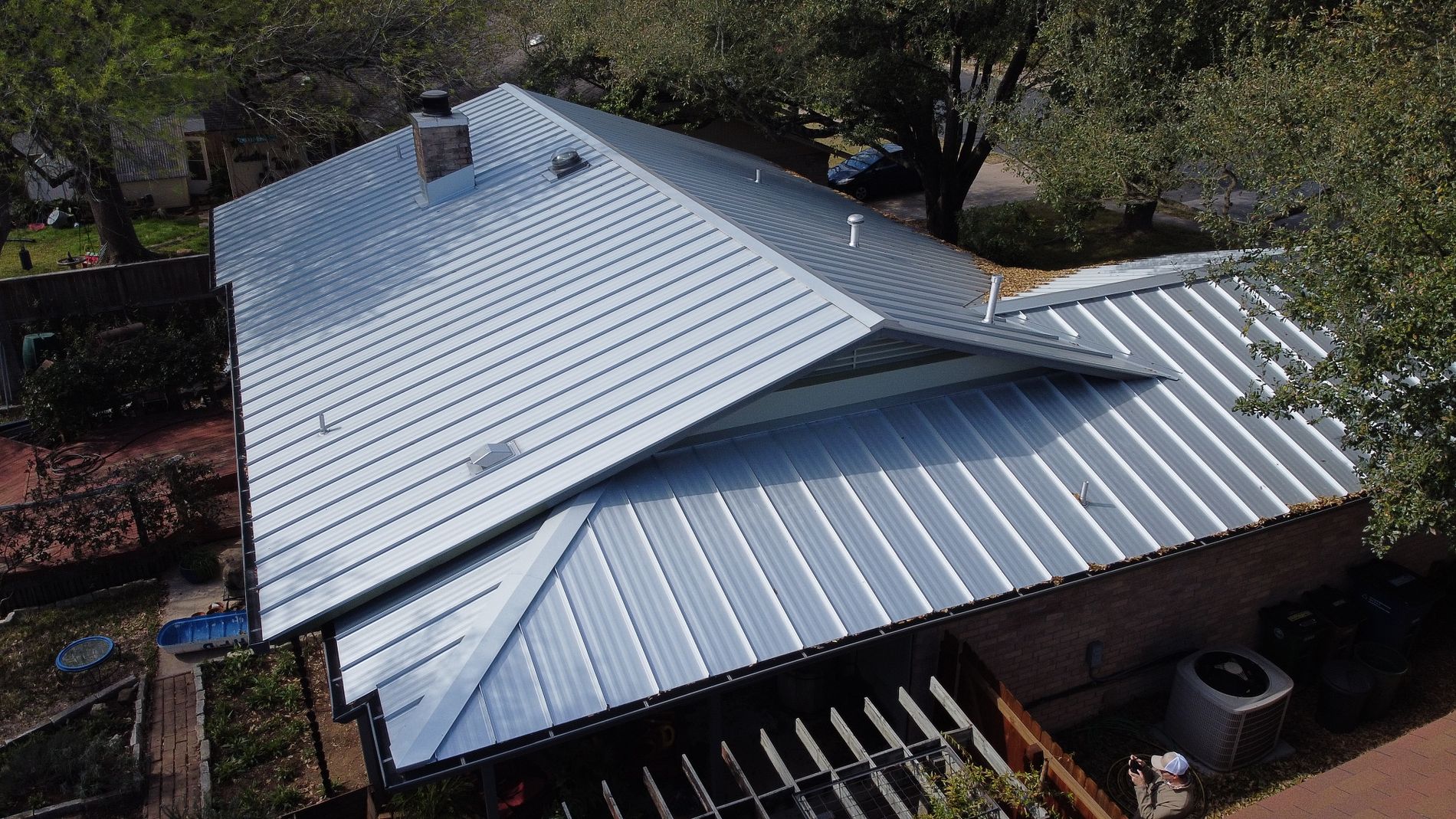
specific to Austin weather, here are the top 10 signs your roof needs immediate attention.
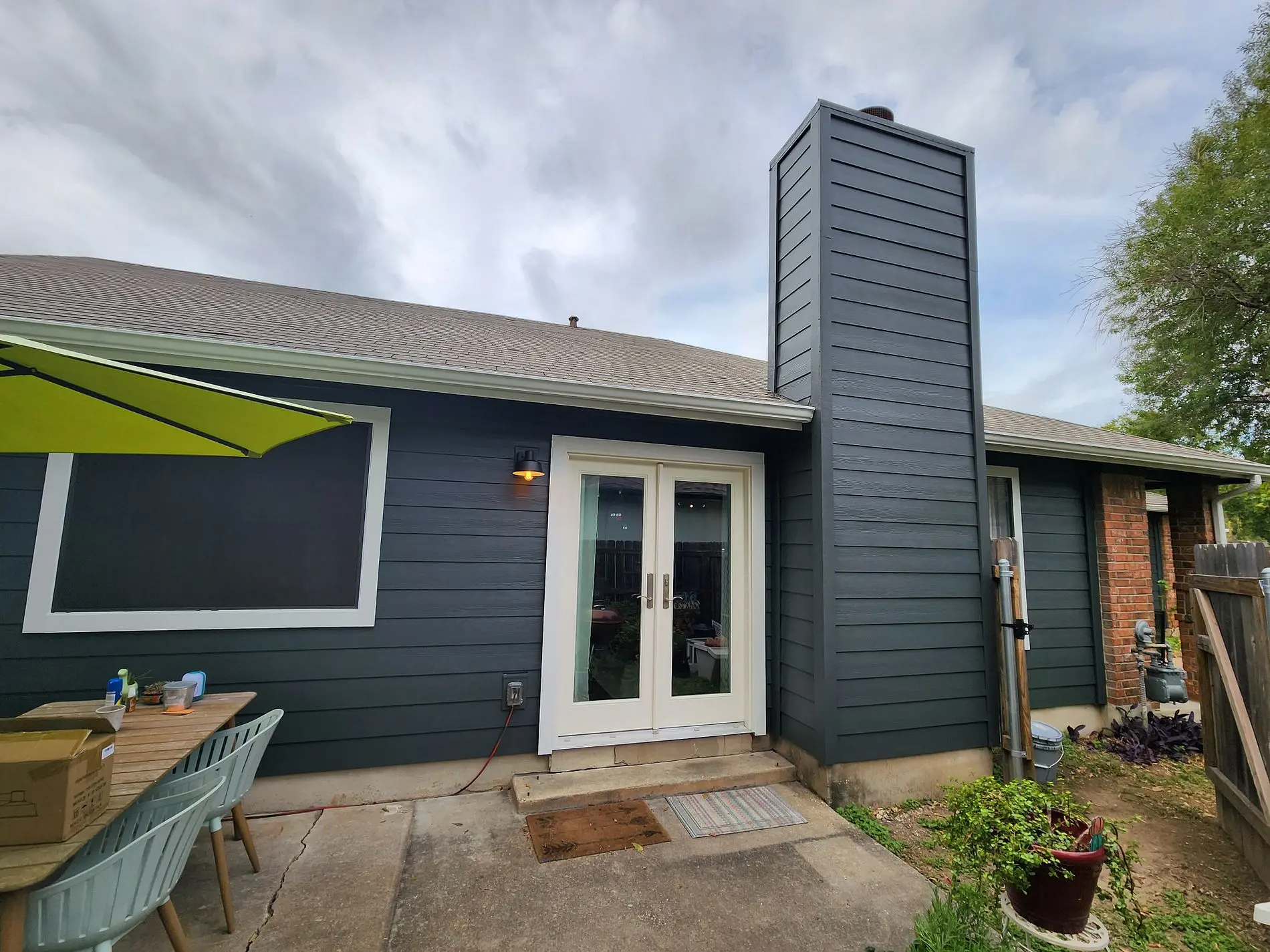
Visual tricks. Learn how vertical vs. horizontal siding affects the perceived height and width of your home.

Austin Pro crafts exteriors that not only captivate but also promise steadfast protection and reliability, embodying the vibrant spirit of Austin in every facade. Your home's exterior is its silent storyteller and first impression; let us help it speak volumes without uttering a word.