Menu
< Main Menu
Social Media






Ever pull into a 1990s–2000s Austin subdivision and feel like every house is wearing the same outfit—beige siding, beige trim, beige everywhere? If you’ve been searching window companies or siding ideas to modernize that “limestone + builder beige” look, you’re not alone—and you’re not stuck with it.
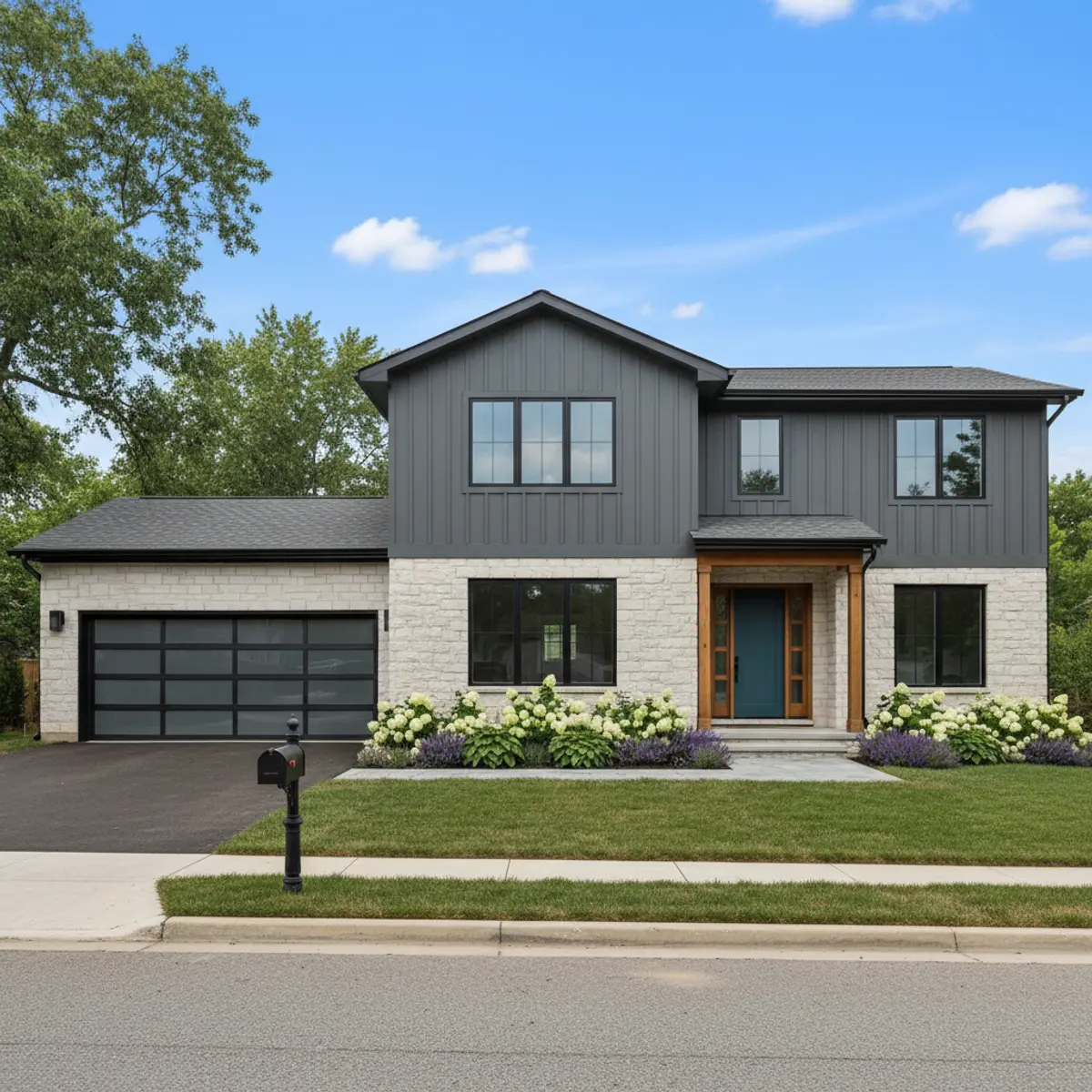
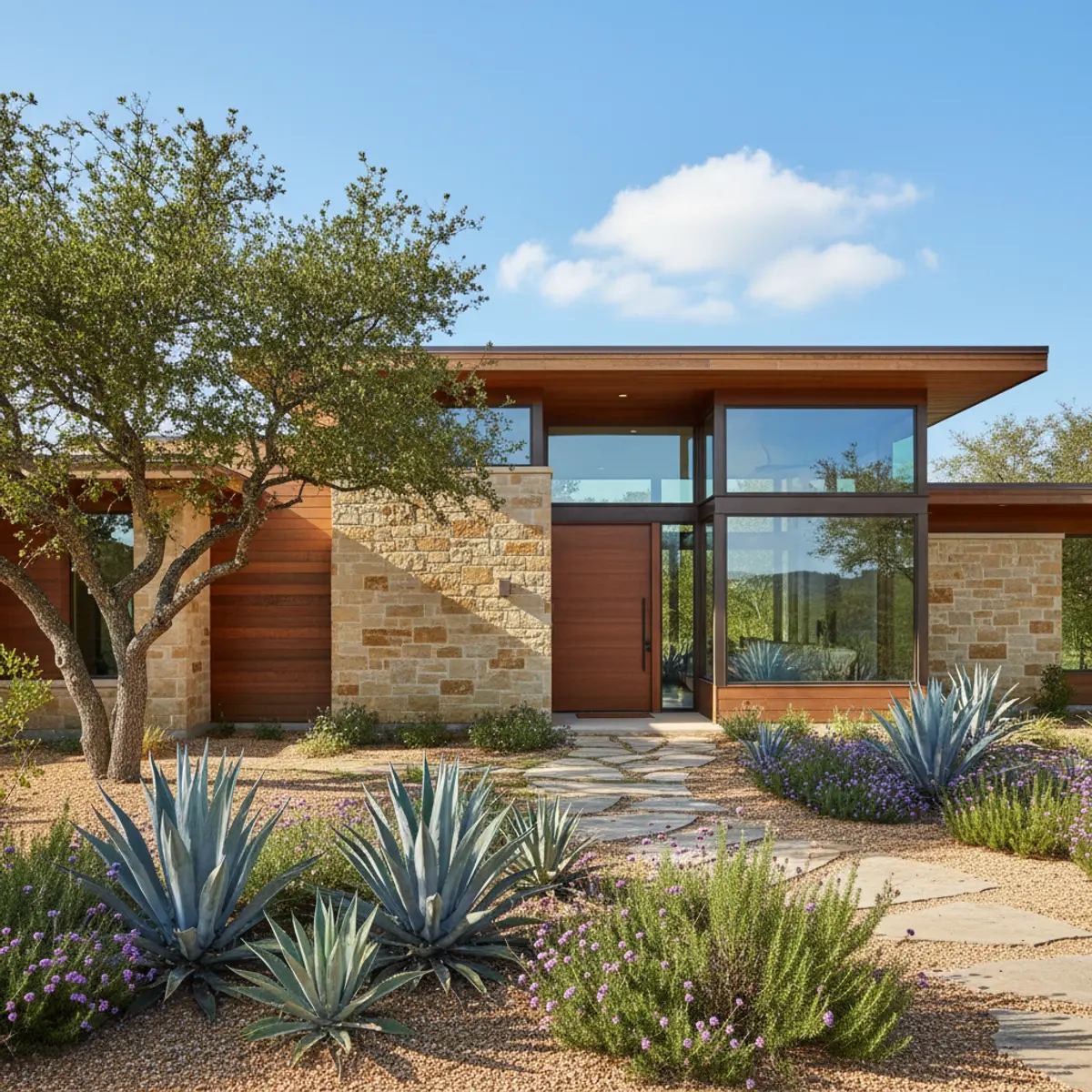
In this guide, you’ll learn how to keep the creamy Texas limestone you already have (and probably love) while updating everything around it with crisp vertical lines, higher-contrast color, and modern window framing. The result: a home that reads intentional, current, and custom—without fighting your stone.
Austin’s suburban boom years produced a signature exterior formula: rough-cut limestone on the lower portion, horizontal lap siding above, and a safe beige paint that matched the mortar. It was practical. It was HOA-friendly. And it now looks… flat.
Here’s what’s really happening visually: limestone has texture and shadow. Beige lap siding has very little of either, especially once it fades in the Texas sun. When both elements sit in the same warm, low-contrast range, your eye can’t find a focal point—so the whole elevation reads as one big, dated block.
The good news: you don’t need to remove the limestone. You need to pair it with materials that give it a modern counterpart.
If limestone is rugged and irregular, your siding should be the opposite: clean, structured, and graphic. That’s why board & batten (a vertical profile) is such a strong match in Austin—especially on 1- and 2-story homes where the upper level needs more presence.
Horizontal lap siding repeats thin lines across the wall. Against stone, it can look busy but still bland. Board & batten creates fewer, bolder lines—so the stone becomes a feature, not a competing texture.
If you’re exploring an exterior refresh, start with a siding plan that respects the stone and upgrades everything around it. Austin Pro Siding shares practical options and profiles on its siding services page, including ways to transition cleanly between masonry and vertical panels.
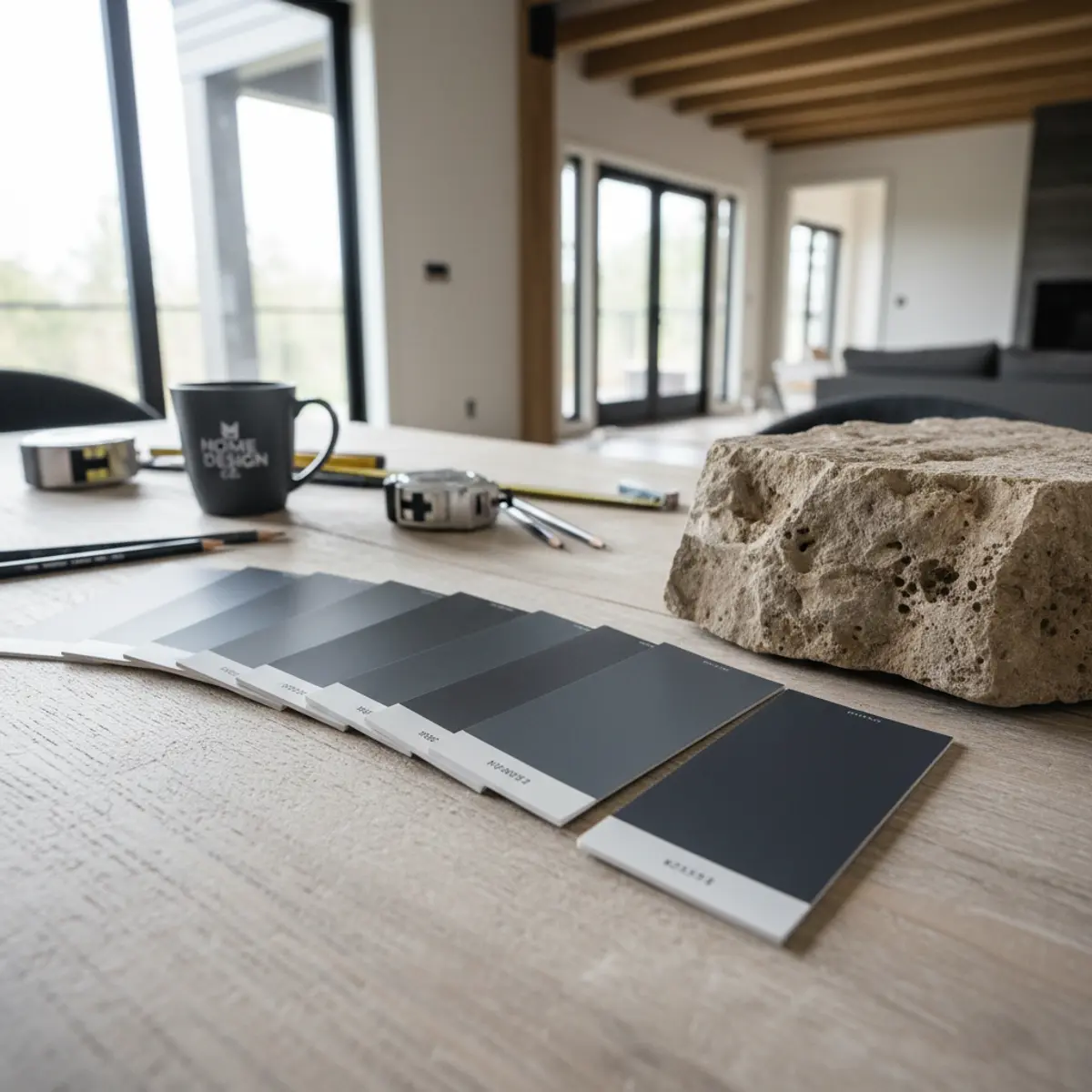
Light limestone is forgiving—it plays well with many palettes. The mistake is matching it too closely. The modern move is to go darker on the siding so the stone reads brighter, cleaner, and more architectural.
Three proven color families work especially well with Austin-area limestone (which often leans creamy, buff, or slightly gold):
Charcoal siding creates a gallery-like backdrop for stone. It also hides dust and pollen better than mid-tone taupes—an underrated perk in cedar and oak country.
Navy keeps the home feeling warm and welcoming while still delivering contrast. It’s especially strong if your roof is medium-to-dark and you want the whole exterior to feel cohesive.
Sage is a smart choice when you want contrast without going “high drama.” It pairs beautifully with limestone and landscaping, and it softens the transition between stone and siding.
Before you commit, remember that Texas sun is a color amplifier. Many homeowners test swatches and then go one shade deeper than expected. For general guidance on exterior color durability and performance, the U.S. Department of Energy’s overview of cool roofs is a helpful primer on how surfaces interact with heat and sunlight.
Want the fastest way to make old stone + new siding feel like one designed package? Upgrade the window frames (or at least the frame color). Black and dark bronze create a “bridge” between creamy limestone and darker siding because they add a crisp outline—like a picture frame around each opening.
This matters more than most people realize. Windows are the facial features of your home. If they disappear, the elevation feels unfinished. If they’re bold, the home reads modern—even if the stone is original.
If heat gain is your concern (fair), frame color is only part of the story—glass specs and coatings matter more. This is where reputable window companies should guide you toward the right low-E options for Central Texas. For a deeper local read, see The Black Window Trend: How to Get the Modern Look Without the Heat Gain in Austin.
If you’re comparing window styles, frame materials, and performance packages, you can also explore Austin Pro Siding’s window services to see what’s commonly installed in Austin, Round Rock, and Cedar Park homes.
For a technical baseline on energy performance labels, the National Fenestration Rating Council explains what ratings actually mean on a window sticker: https://www.nfrc.org/.
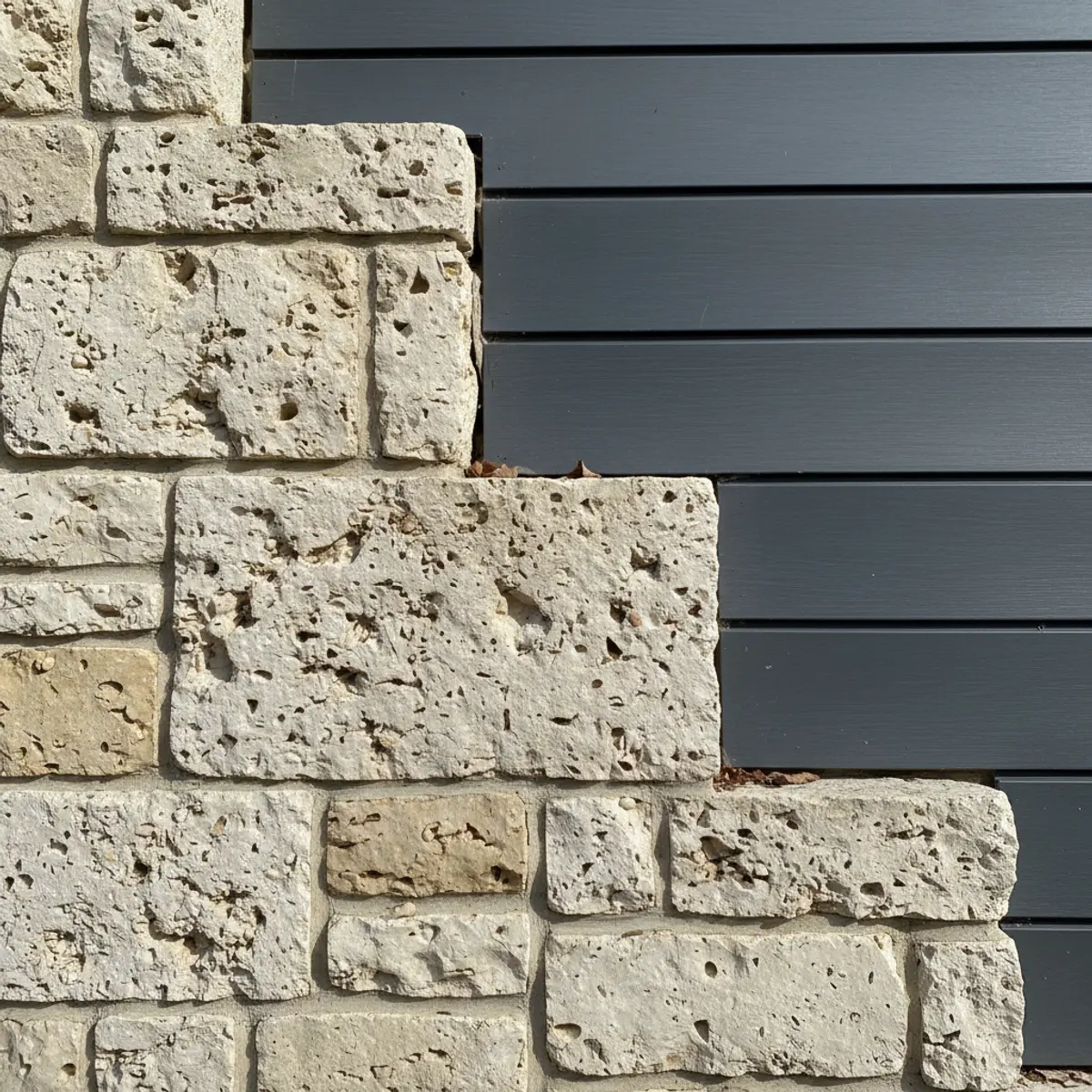
Design doesn’t live on Pinterest—it lives at the seams. When you combine masonry and siding, the thickness and edge details determine whether your home looks high-end or “patched together.”
Fiber cement (especially James Hardie) is a popular choice in Austin because it has the heft and rigidity to sit confidently next to stone. It also holds paint well and handles our weather swings—hot summers, sudden hail, and moisture spikes—better than many thinner cladding options.
For homeowners who want to understand the practical benefits beyond looks—durability, warranties, and ROI—this related read adds helpful context: Why James Hardie Siding Is a Smart Choice for Homes. And if you’re curious about official installation guidance and product options, James Hardie publishes detailed resources here: https://www.jameshardie.com/.
If you want a modern exterior without a full teardown, aim for a coordinated trio: vertical siding + deep color + bold window frames. Keep the limestone. Make it look deliberate.
Because Austin neighborhoods vary—from Central Austin bungalows to Round Rock two-stories—having a local pro sanity-check the plan can save you from mismatched undertones and awkward trim build-outs. If you’d like a second set of eyes on your stone tone, color direction, and siding profile, you can contact Austin Pro Siding or schedule an appointment for a design-forward exterior consult.
Want to confirm service availability in your neighborhood? See the full list of Austin-area communities we serve. And if you’re the type who reads reviews before making a call (smart), browse recent homeowner experiences on our reviews page.
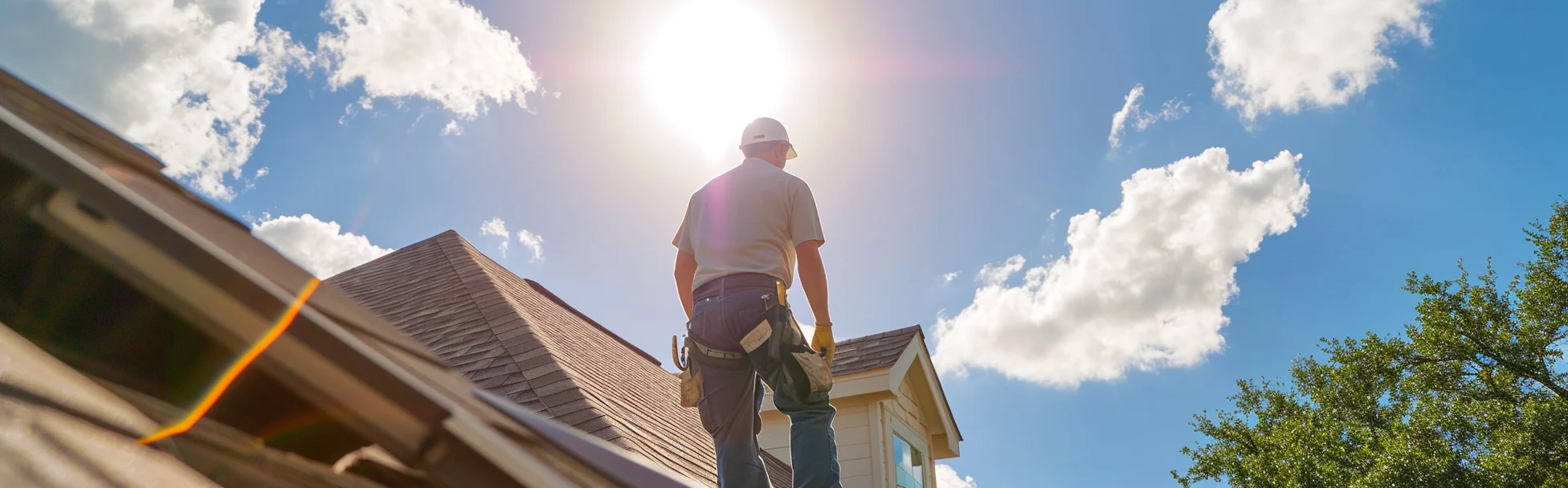
Extend your roof's lifespan with this routine inspection and maintenance schedule.

Avoid hiring mistakes by checking these four crucial details. Ensure your painter delivers quality results on time and on budget.
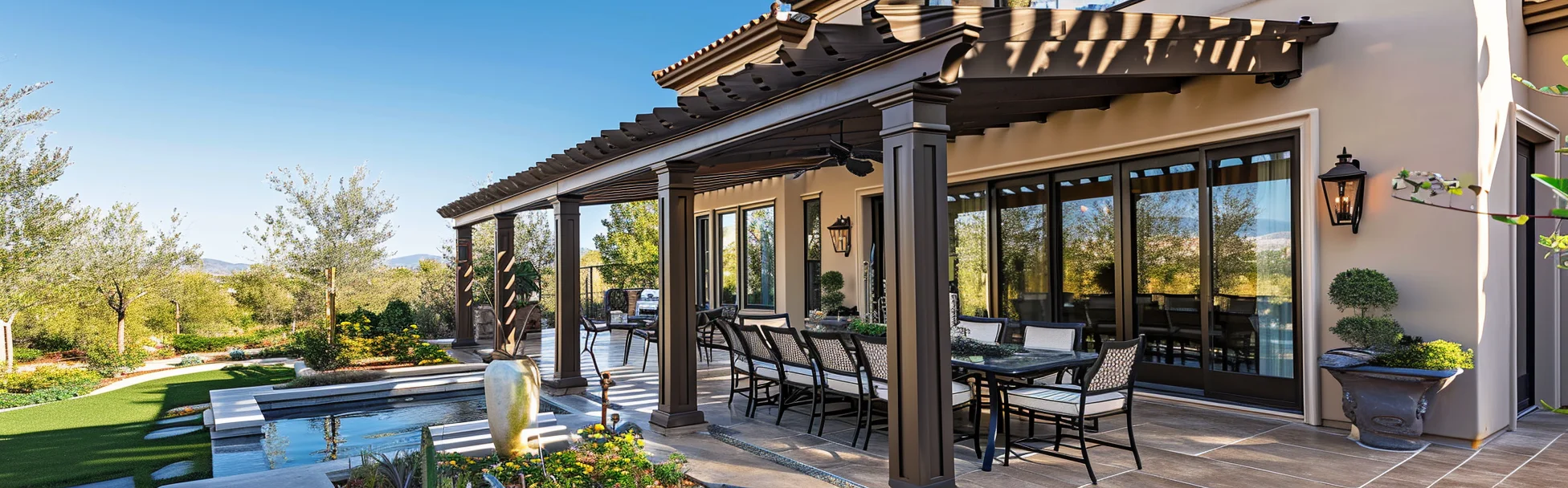
Transform your backyard with the latest trends and innovations in patio cover design.
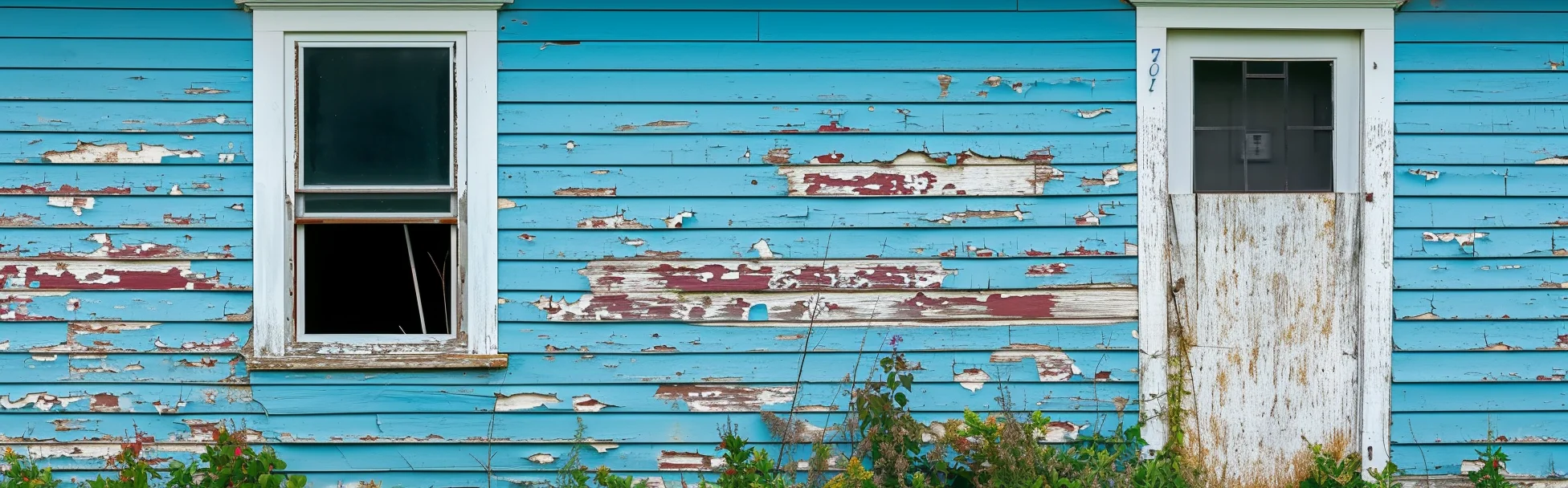
DIY or Pro? We weigh the risks and savings of handling siding repairs yourself.
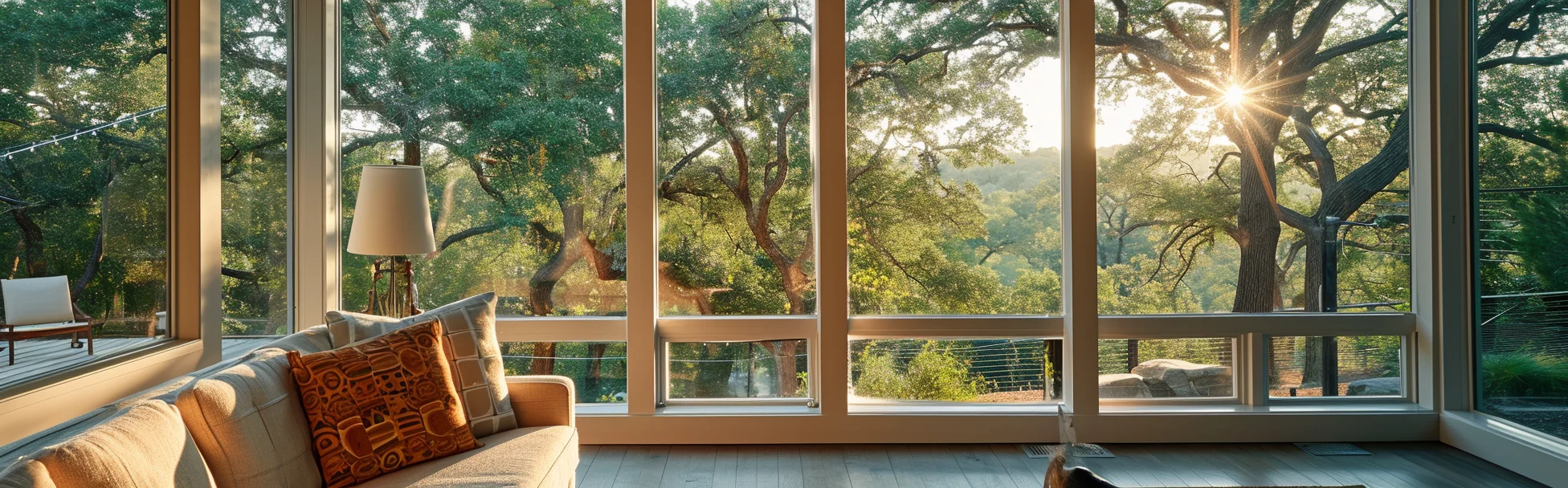
Lower your bills and increase comfort. Learn how energy-efficient windows reduce heat transfer and keep your home's climate controlled.
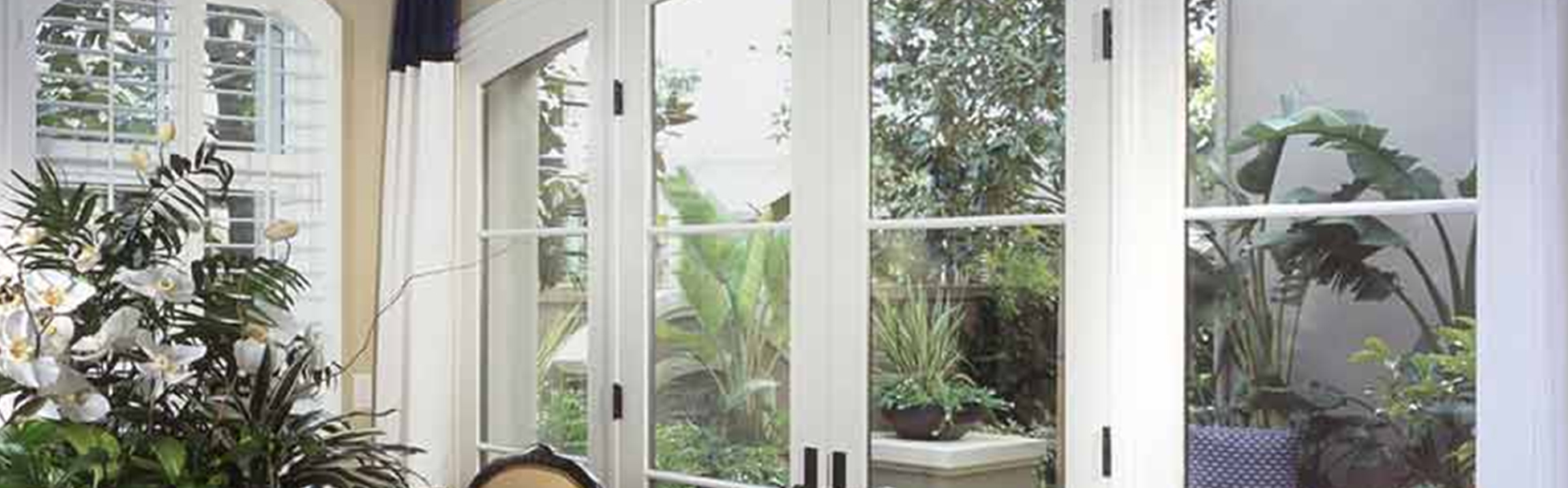
Don't let common misconceptions hold you back. We separate fact from fiction to help you choose the best patio doors for your home.

Austin Pro crafts exteriors that not only captivate but also promise steadfast protection and reliability, embodying the vibrant spirit of Austin in every facade. Your home's exterior is its silent storyteller and first impression; let us help it speak volumes without uttering a word.