Menu
< Main Menu
Social Media






Lorem ipsum dolor sit amet, consectetur adipiscing elit, sed do eiusmod tempor incididunt ut labore et dolore magna aliqua. Ut enim ad minim veniam, quis nostrud exercitation ullamco laboris nisi ut aliquip ex ea commodo consequat. Duis aute irure dolor in reprehenderit in voluptate velit esse cillum dolore eu fugiat nulla pariatur.
Block quote
Ordered list
Unordered list
Bold text
Emphasis
Superscript
Subscript
Your siding can look “perfect”… while your wall is quietly failing. We see it all the time during home exterior services inspections across Austin: crisp paint, straight lines, clean trim—then one small probe reveals soft, dark, crumbling wood underneath.
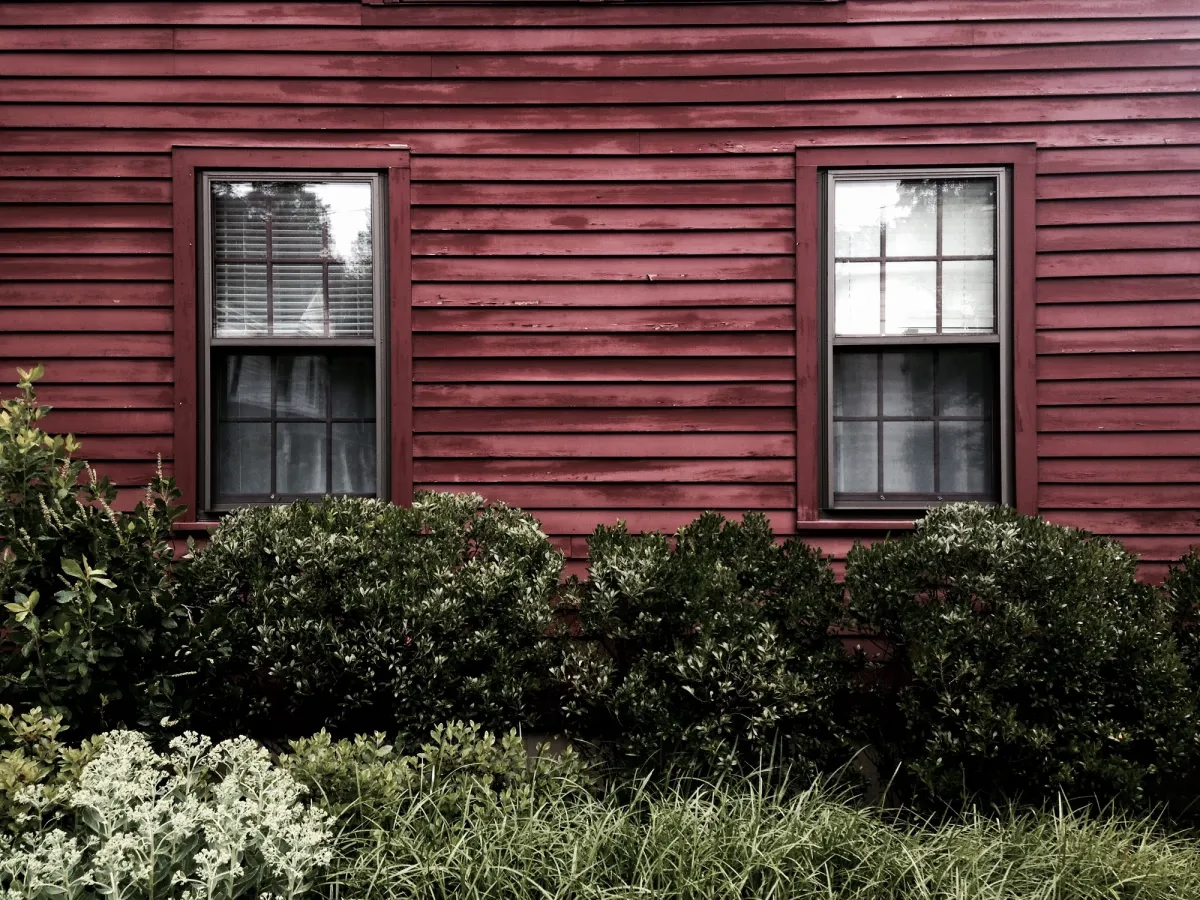
This article is your homeowner’s guide to the hidden rot we often find behind “good-looking” siding on 15–25 year old Austin-area homes (especially 90s/00s builder-grade builds). You’ll learn why it happens, where it hides, and how to do a simple check before a small leak becomes a major repair.
Paint is a cosmetic layer—not a diagnostic tool. In fact, a fresh coat can be the perfect disguise for a problem that’s been growing for years.
Here’s the pattern we run into in Central Austin, North Austin, Round Rock, and Pflugerville: a homeowner repaints, replaces a few boards, maybe recaulk the joints, and the exterior looks brand new. But the moisture pathway that caused the damage is still there.
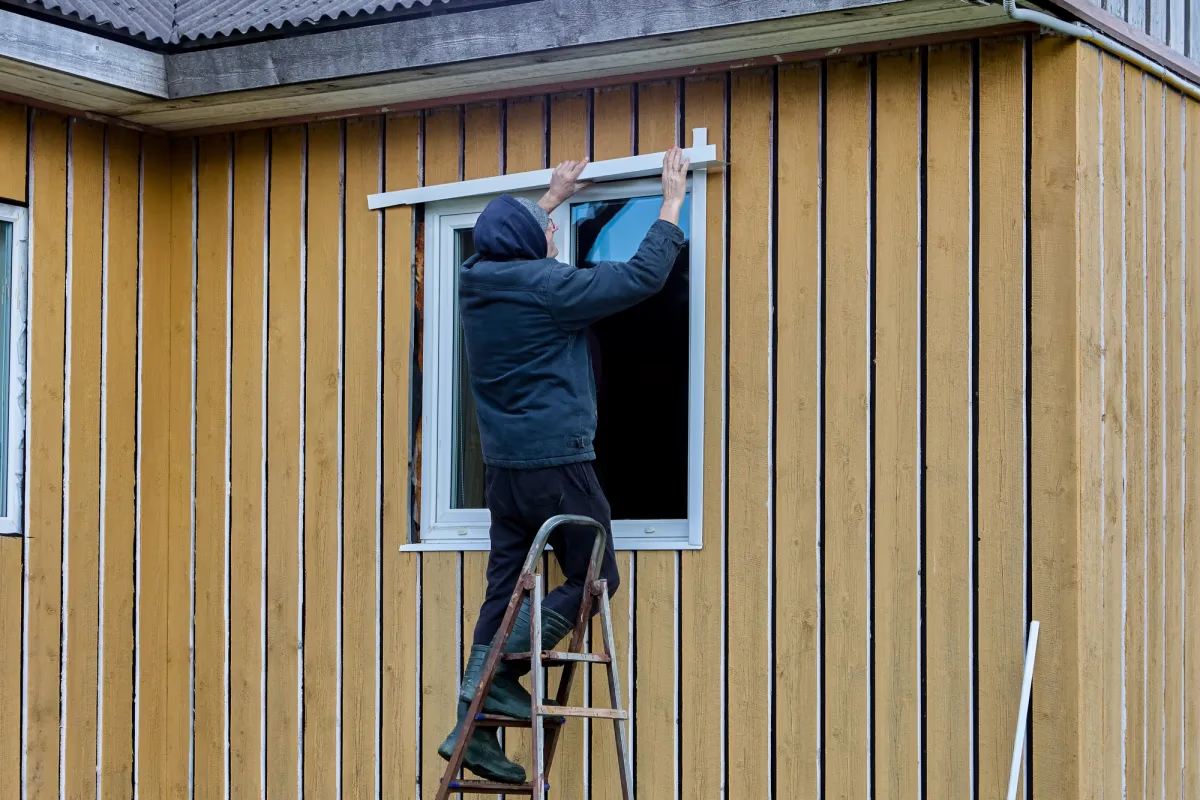
That’s why we tell homeowners: siding replacement isn’t just a facelift. It’s a health check for the home’s envelope. When done correctly, it’s your chance to find and fix what you can’t see.
A big reason hidden rot shows up in 90s/00s homes is surprisingly simple: many were built fast, with details that don’t meet today’s expectations for water management.
In plenty of tract neighborhoods in North Austin, Cedar Park, Round Rock, and Hutto, we’ve opened up walls and found:
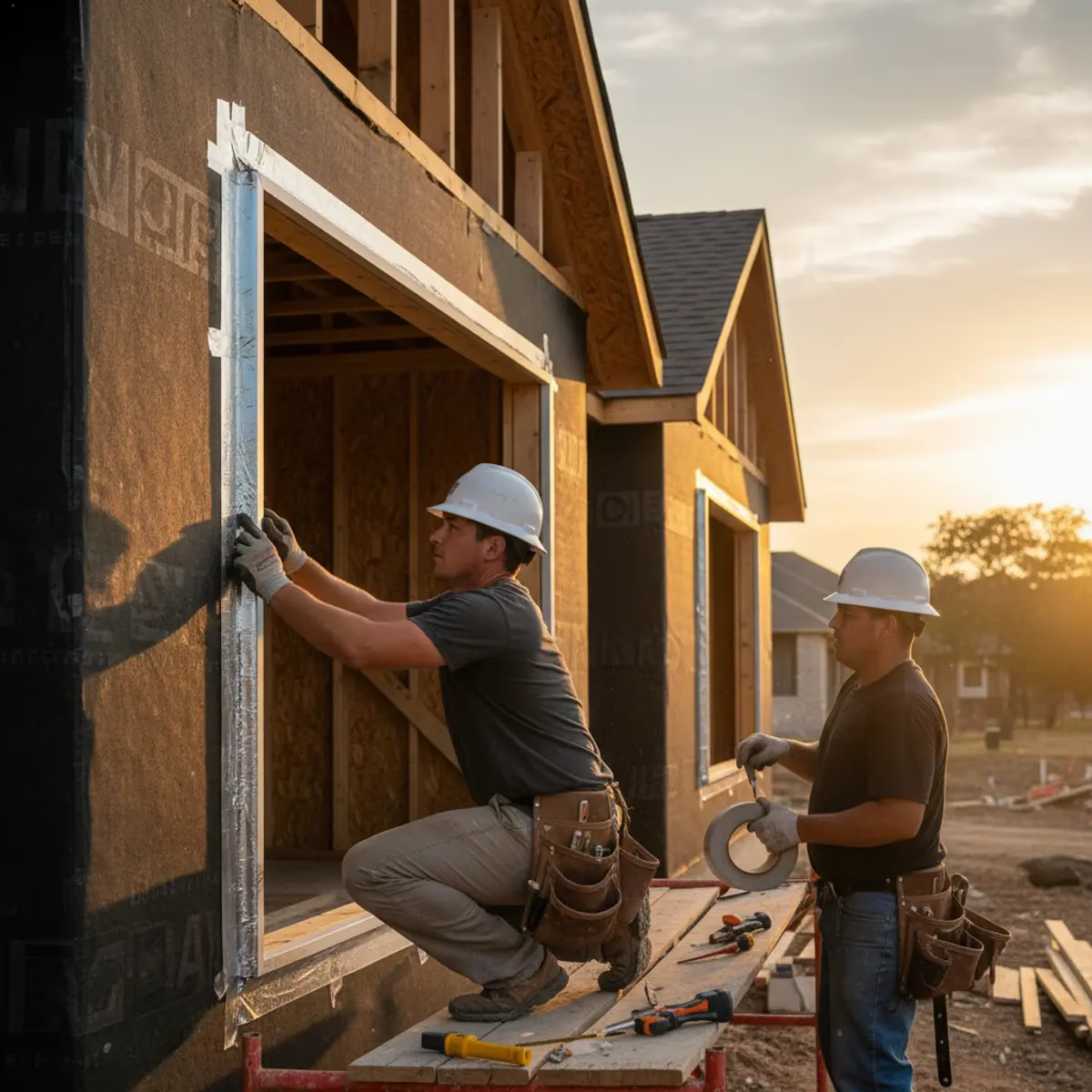
Once water gets behind the siding, it doesn’t take much. One bad joint. One missing flashing piece. One window corner that wasn’t sealed correctly. Over time, that “tiny” leak can soak sheathing and studs.
If you’re already thinking about broader home improvement projects—paint, windows, roofing—this is the moment to make sure the wall system behind the curb appeal is actually sound.
You don’t need to open a wall to catch early warning signs. A quick, careful inspection around common failure points can tell you a lot. If you’re uncomfortable using a tool on your exterior, or you suspect widespread damage, skip this step and call a pro.
Walk the exterior and lightly press the screwdriver into wood trim or suspected areas. Healthy wood feels firm. Rot feels spongy, flakes, or dents too easily.
If you find more than one soft spot, it’s smart to consult a siding specialist. Austin Pro Siding typically approaches this like a building-envelope investigation: identify the entry point, remove affected materials, repair the substrate, then rebuild the system correctly.
People assume the big enemy is rain. In Austin, the sneakier enemy is moisture that gets in—and can’t get out.
Here’s why trapped moisture can be worse than a straightforward leak:
Building scientists have been warning for years that walls need a clear plan for drainage and drying—not just a “sealed” exterior. The U.S. Department of Energy’s building envelope guidance explains why layered water control and drying potential matter in real homes, not just lab conditions: https://www.energy.gov/eere/buildings/building-envelope.
And if indoor moisture becomes part of the picture, mold can follow. The EPA’s mold resource is worth reading if you’re seeing persistent dampness or odors: https://www.epa.gov/mold.
When siding is nearing the end of its life—or when you’re seeing repeated paint failure—replacement can be the moment you stop chasing symptoms and fix the system.
A proper siding project is not “rip and replace boards.” Done right, it’s a full envelope reset in the areas that matter most.
James Hardie fiber cement siding is popular here for a reason: it handles heat, sun, and moisture swings far better than many builder-grade options from the 90s/00s. But the product is only as good as the installation system behind it.
If you want a deeper breakdown of the material benefits and ROI, this companion guide is helpful: why James Hardie siding is a smart choice for homes.
And if you’re wondering whether your home is already giving “it’s time” signals, you can compare what you’re seeing to these common indicators: signs it’s time for house siding replacement.
Many rot discoveries start at windows—because that’s where water loves to sneak in. If you’re planning window replacement, it’s worth coordinating the window-to-wall flashing details with your siding plan so the whole exterior works as one system.
Want a professional set of eyes on your exterior—without guessing? Start with our siding services page to see what a full, repair-first approach looks like, then check our Austin-area service locations to confirm coverage.
If your home was built in the 90s or early 2000s and the exterior still “looks fine,” that’s exactly when hidden rot tends to be most expensive—because it’s had years to grow quietly.
If you did the poke test and found soft spots, or you simply want peace of mind, consider scheduling an inspection. You can reach Austin Pro Siding here: contact us. And if you like to vet companies the smart way, browse our customer reviews to see how homeowners across Austin describe the experience.
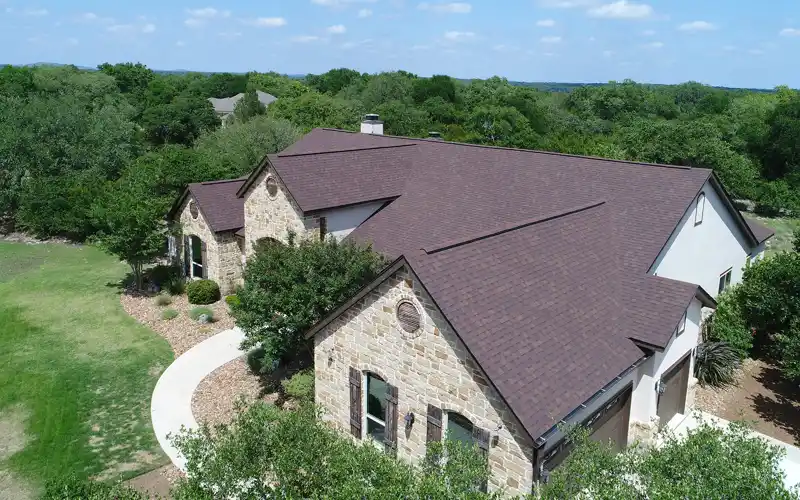
The foundation of your roof matters. Learn why damaged decking requires replacement rather than repair to ensure structural integrity.
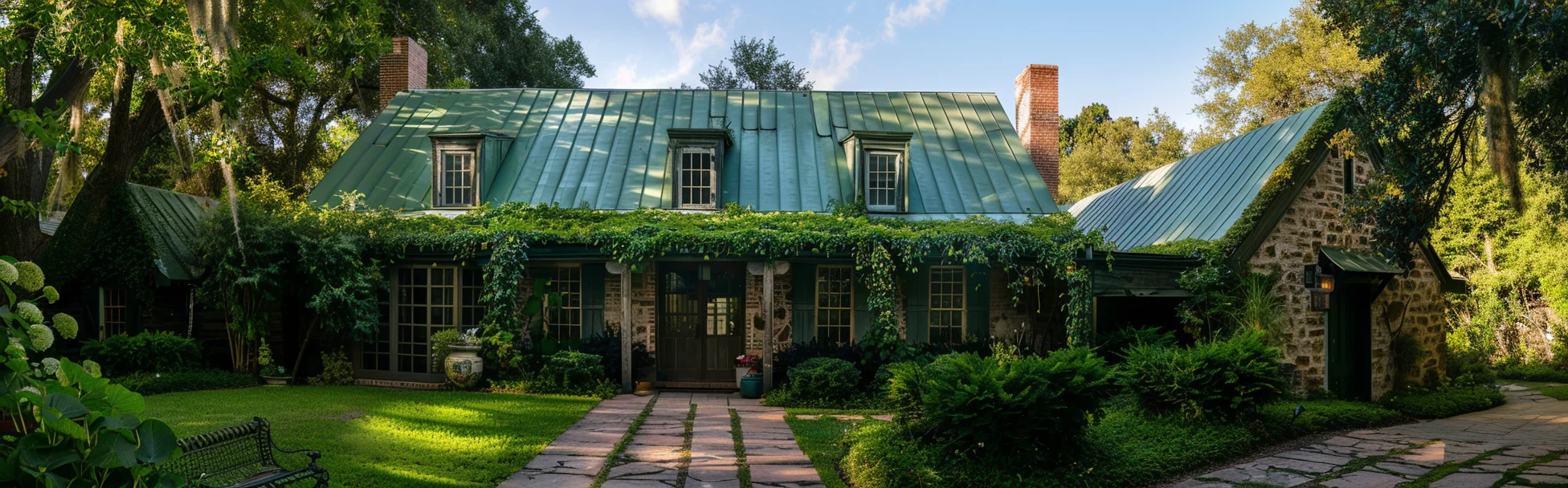
Sustainability is in style. Explore eco-friendly roofing materials that reduce your carbon footprint and improve home efficiency.
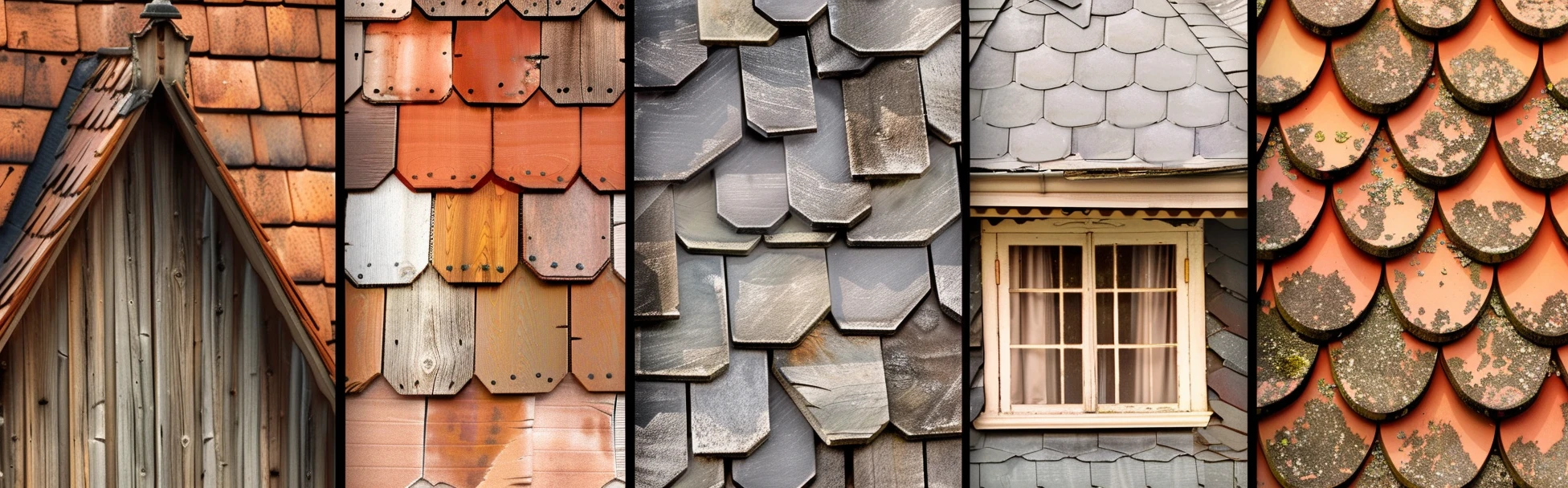
A historical look at how American roofing has evolved from wood shakes to advanced synthetics.
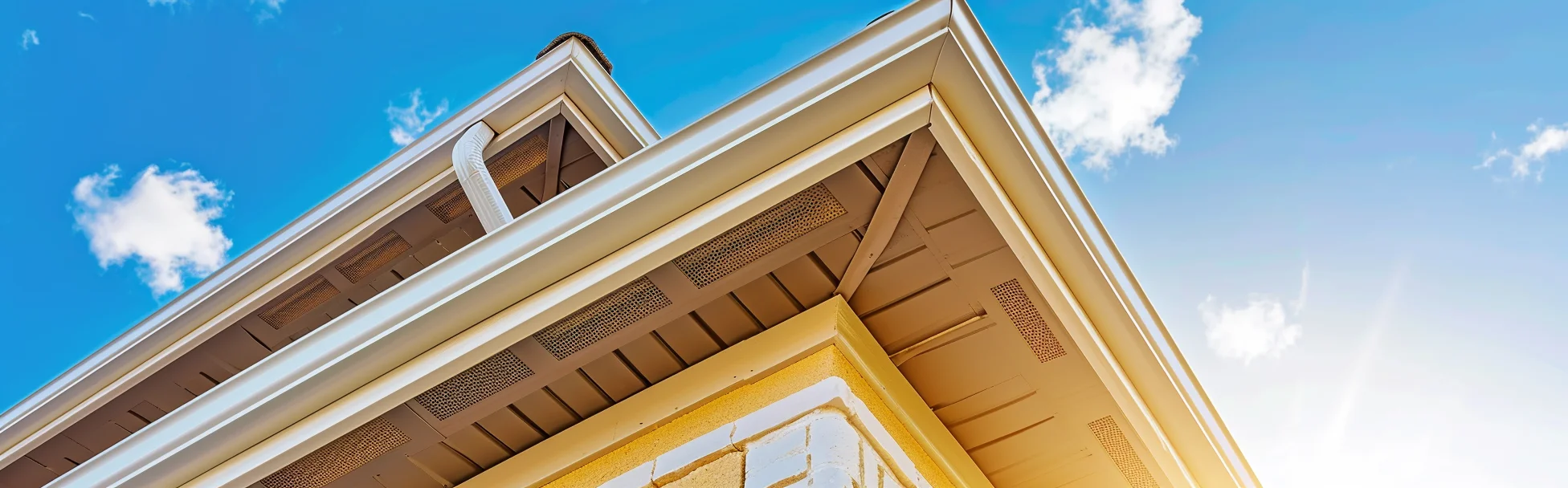
Managing heavy rain is a must in Austin. Learn the essentials of gutter systems designed to handle local weather patterns effectively.
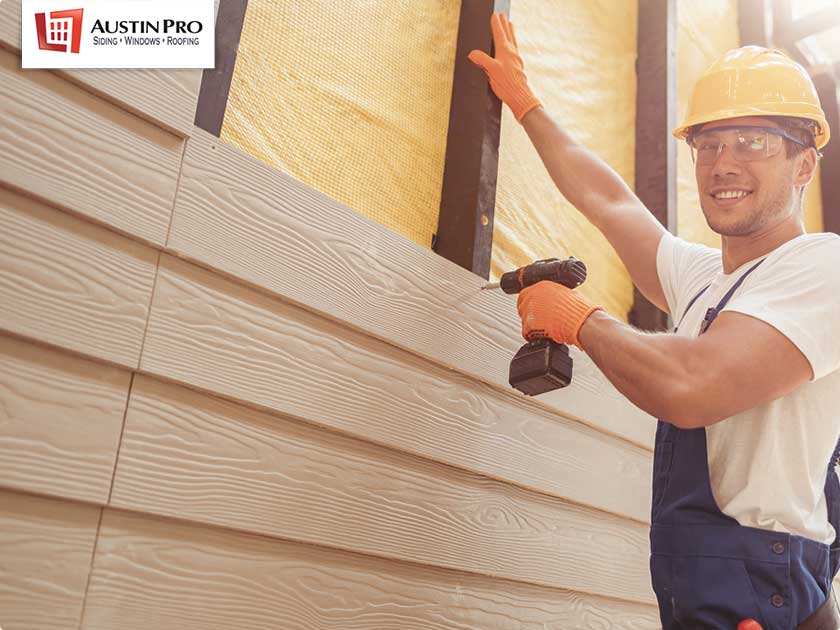
Starting from scratch? Here is your beginner's guide to planning a siding replacement project.
Avoid leaks and voided warranties. We expose the perils of attempting DIY shingle replacement.

Austin Pro crafts exteriors that not only captivate but also promise steadfast protection and reliability, embodying the vibrant spirit of Austin in every facade. Your home's exterior is its silent storyteller and first impression; let us help it speak volumes without uttering a word.