Menu
< Main Menu
Social Media






Lorem ipsum dolor sit amet, consectetur adipiscing elit, sed do eiusmod tempor incididunt ut labore et dolore magna aliqua. Ut enim ad minim veniam, quis nostrud exercitation ullamco laboris nisi ut aliquip ex ea commodo consequat. Duis aute irure dolor in reprehenderit in voluptate velit esse cillum dolore eu fugiat nulla pariatur.
Block quote
Ordered list
Unordered list
Bold text
Emphasis
Superscript
Subscript
Every spring in Austin, it happens: you step outside, take one breath, and it feels like the air is made of “yellow dust.” If you’ve been searching window companies because your allergies spike the moment Live Oak season hits, your house may be part of the problem.
In this guide, you’ll learn how tiny window and door leaks pull pollen indoors, what modern sealing technology actually does, and how upgrading the right way can improve indoor air quality and lower energy waste—before the real Texas heat arrives.
Austin’s spring allergy season isn’t just “bad”—it’s legendary. Live Oak pollen ramps up fast, coating cars, patios, and outdoor furniture in a fine yellow-green layer. And once it’s in the air, it doesn’t stay outside.
Here’s the frustrating part: even if you keep windows shut, pollen can still make its way indoors through small gaps in your home’s “envelope”—especially around older windows and exterior doors. That’s why many homeowners notice the same cycle every year: itchy eyes, constant dusting, and a home that never feels truly “sealed.”
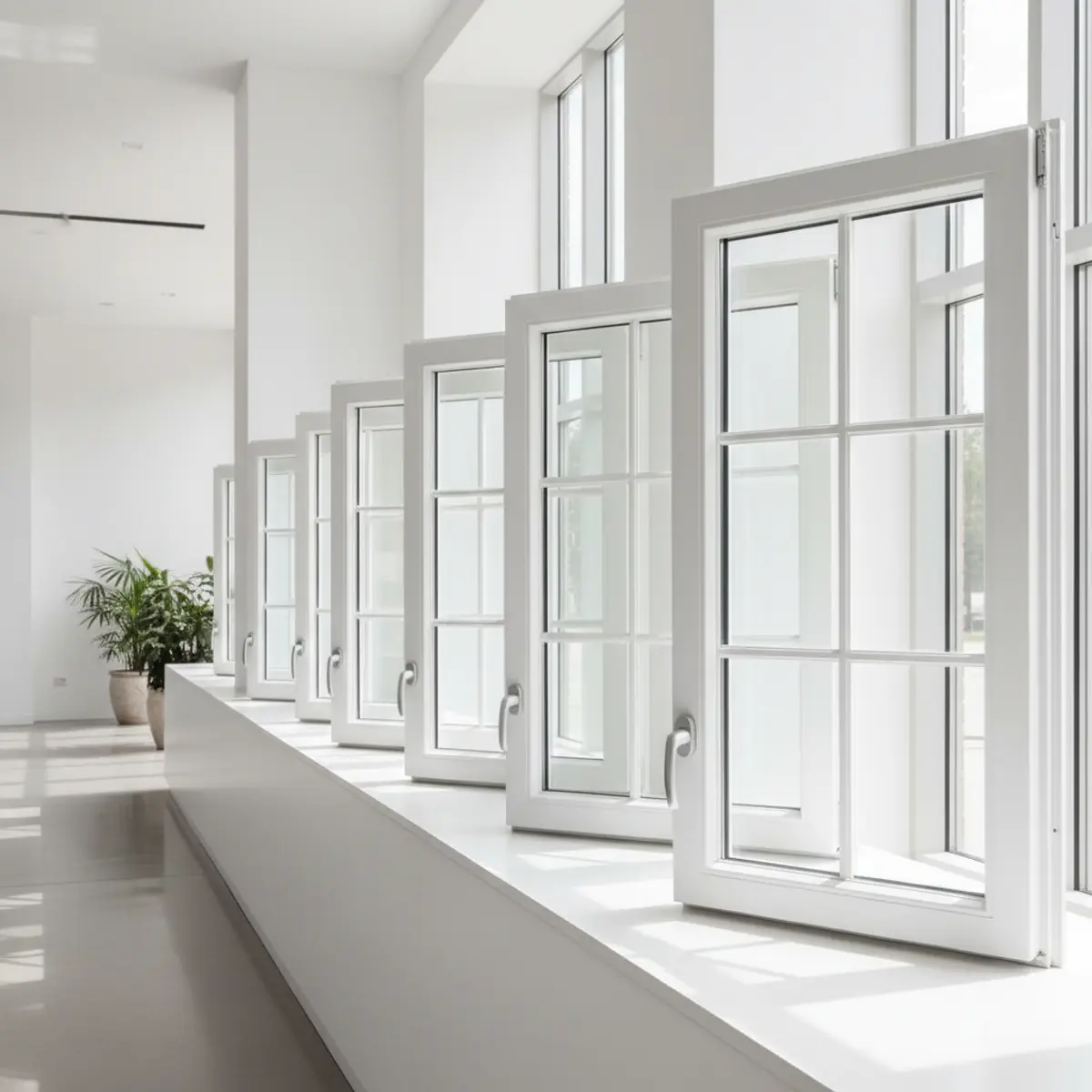
If you’re in Austin, Cedar Park, Round Rock, Pflugerville, Hutto, or Leander, seasonal winds can push allergens straight into the weak points of your home. (Austin Pro Siding works across these areas—see the full list on our Austin service areas page.)
Pollen doesn’t need a wide-open crack. It rides on airflow. And many older windows leak air in ways you can’t easily see—especially on windy spring days.
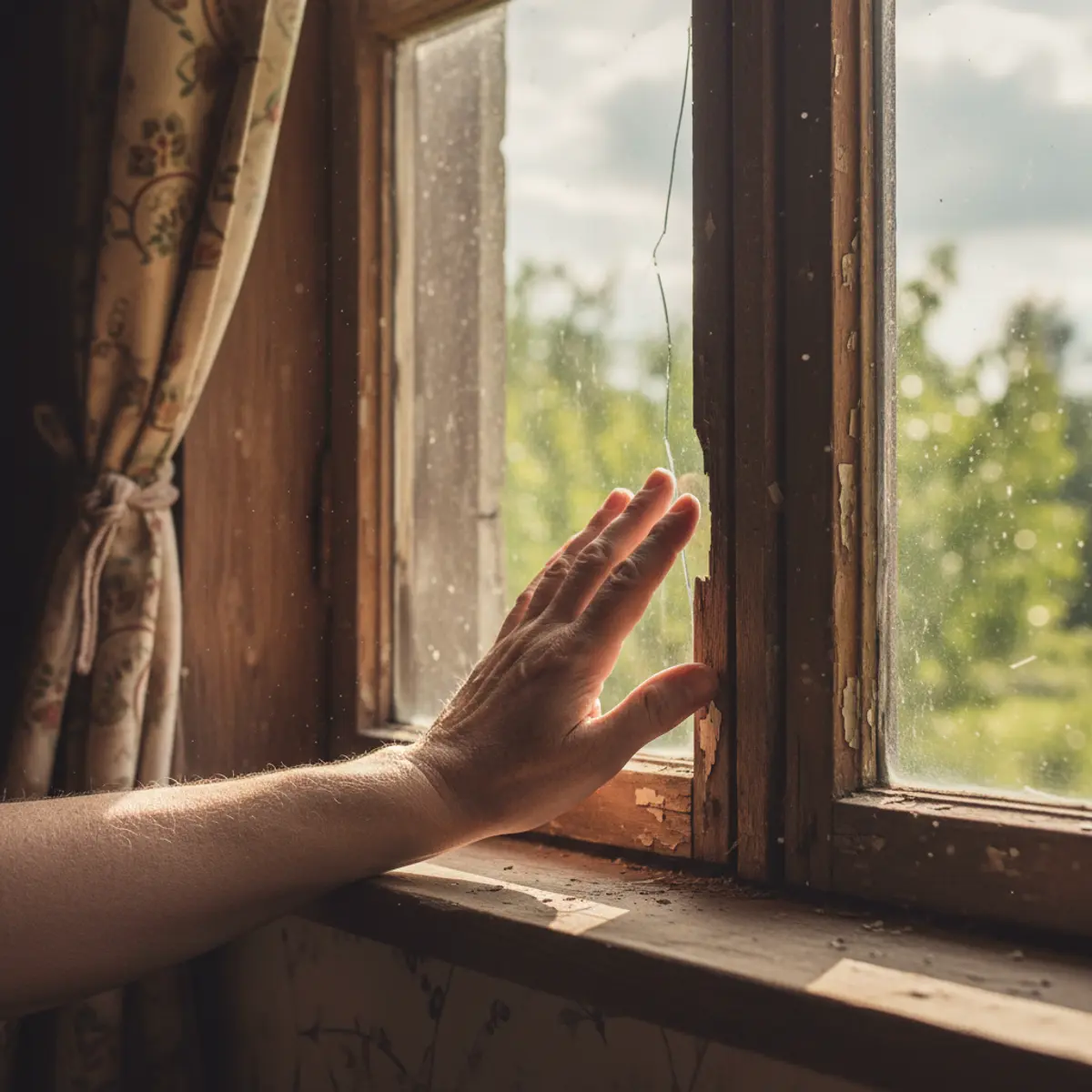
A quick test: on a breezy day, hold your hand near the edges of a closed window or door. If you feel cool air moving, pollen is hitching a ride on that same draft.
And it’s not just discomfort. Those tiny leaks can keep HVAC systems cycling more often—pulling in outdoor air, stirring indoor dust, and making rooms feel uneven from one side of the house to the other.
High-performance windows aren’t “magic.” They’re engineered to reduce air infiltration—the movement of outside air (and what’s in it) into your living space. Two features matter most during pollen season: tight compression seals and better glass systems.
Many older windows were built to a different standard. Over years of sun exposure and house settling, frames can rack slightly, seals flatten, and locking mechanisms lose their bite. Modern windows improve the barrier in several ways:
Want to go deeper on performance features for Texas homes? Our guide on the best energy-efficient windows for Texas homes breaks down ratings and what matters in Central Texas heat.
Windows get most of the attention, but exterior doors can be an even bigger leakage point during spring winds. If your front or back door has daylight at the threshold—or outside noise seems unusually loud—air (and pollen) is likely getting in.
If you suspect your doors are part of the issue, start here: door replacement and exterior door services.
Spring allergies are annoying. But the same leaks that bring pollen inside also bleed conditioned air out—especially once Austin’s heat arrives and the A/C runs longer.
When outdoor air sneaks in, your HVAC system has to:
The U.S. Department of Energy notes that air leaks can be a major contributor to heating and cooling losses in homes, and sealing them is a key efficiency step. See their guidance on air sealing and efficiency basics here: https://www.energy.gov/energysaver/air-sealing-your-home.
And while windows are only one part of the building envelope, they’re a high-impact part—especially if yours are older, single-pane, or no longer closing square.
Not all windows seal the same way. If your goal is a stronger pollen barrier in Austin’s spring wind, prioritize styles that create firm compression seals when locked.
Single-hung and sliding windows can perform well too, but they depend heavily on track condition, alignment, and weatherstripping quality—areas where older units often fail first.
Material choice affects durability, maintenance, and long-term seal integrity in UV-heavy climates like Austin:
If you like modern aesthetics (including dark frames), it’s worth reading how to get the black window look without the heat gain in Austin—because style should never sabotage comfort.
In Austin, the “sweet spot” for window and door replacement is often late winter through spring—before triple-digit days put maximum strain on your HVAC and before the busiest summer schedules hit.
The key is not just the product—it’s the install. Even a great window can leak if it’s not flashed, insulated, and sealed correctly at the perimeter.
If you want a local team that handles the details (and understands Austin’s climate), explore our window replacement services or start at the Austin Pro Siding homepage to see the full exterior service lineup.
During allergy season, a “good deal” isn’t worth much if the home still feels dusty. Look for contractors who talk about:
You can also scan real homeowner experiences on our reviews page.
Austin’s pollen season may be unavoidable, but how much of it ends up inside your home is something you can control. When windows and doors stop leaking, you don’t just reduce sniffles—you create a quieter, more comfortable home that’s easier (and cheaper) to cool.
If you suspect drafts are feeding the “yellow dust” problem, consider scheduling a professional evaluation. You can request next steps and timing through Schedule an Appointment or reach out directly via our contact page.
Helpful references: For broader indoor air quality basics, the EPA’s overview is a solid starting point: https://www.epa.gov/indoor-air-quality-iaq. And for understanding performance labels you may see on window quotes, visit the NFRC (the group behind many window ratings): https://www.nfrc.org/.
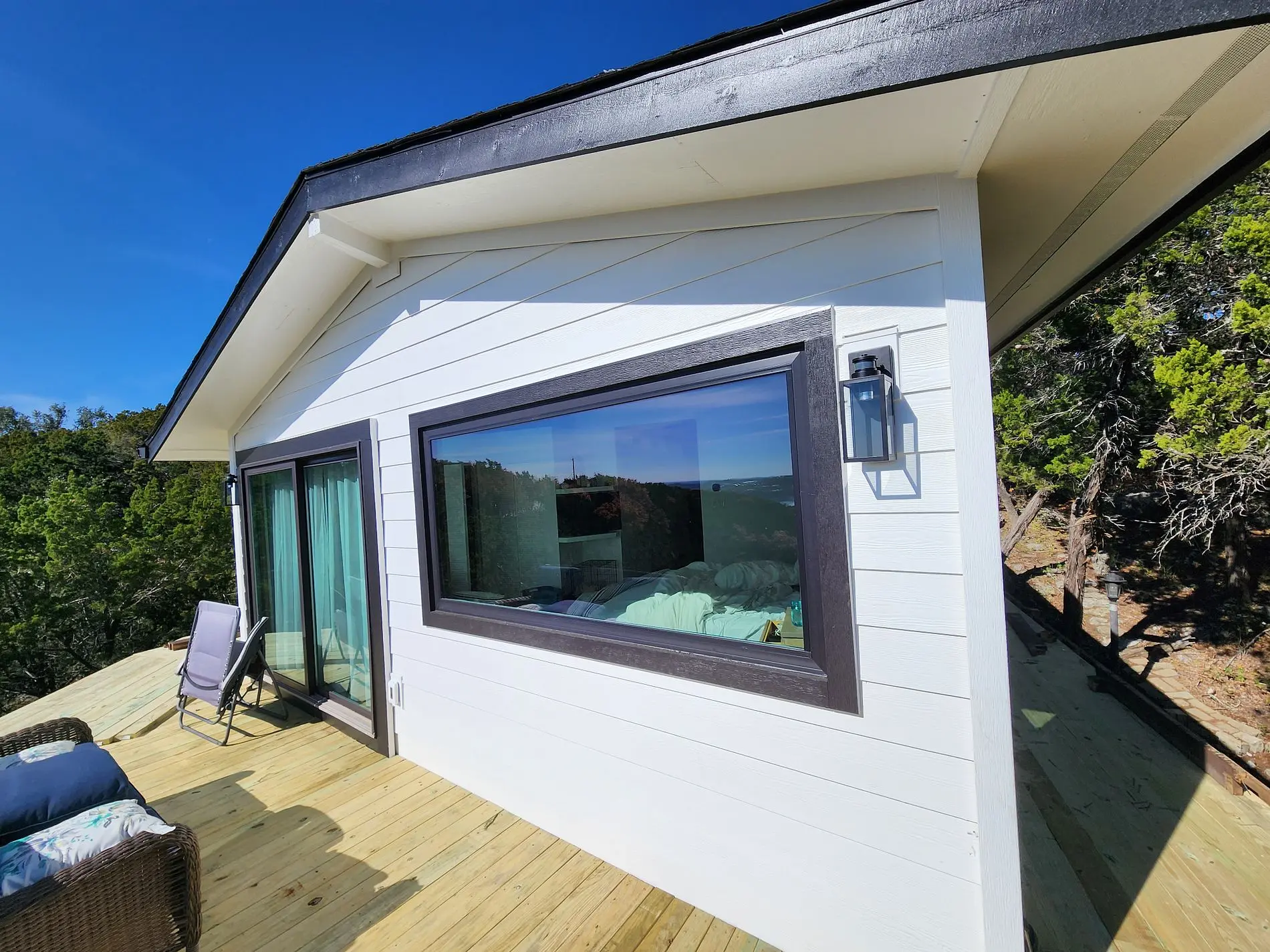
Annoying rattles? We diagnose the causes of loose windows and offer simple fixes to stop the noise.
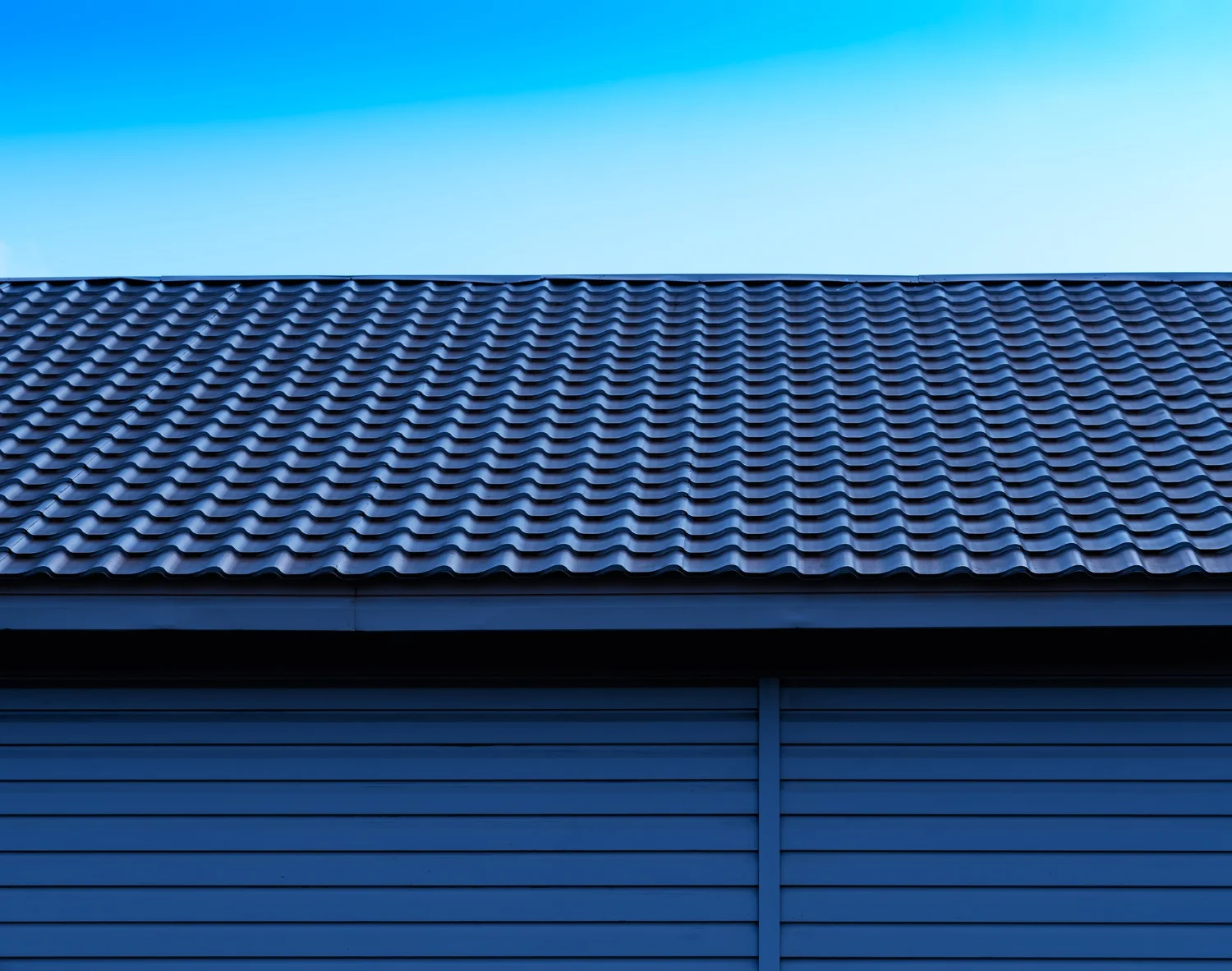
Ready for a bold look? Discover the advantages of colored metal and tile roofing to add personality and value to your home.
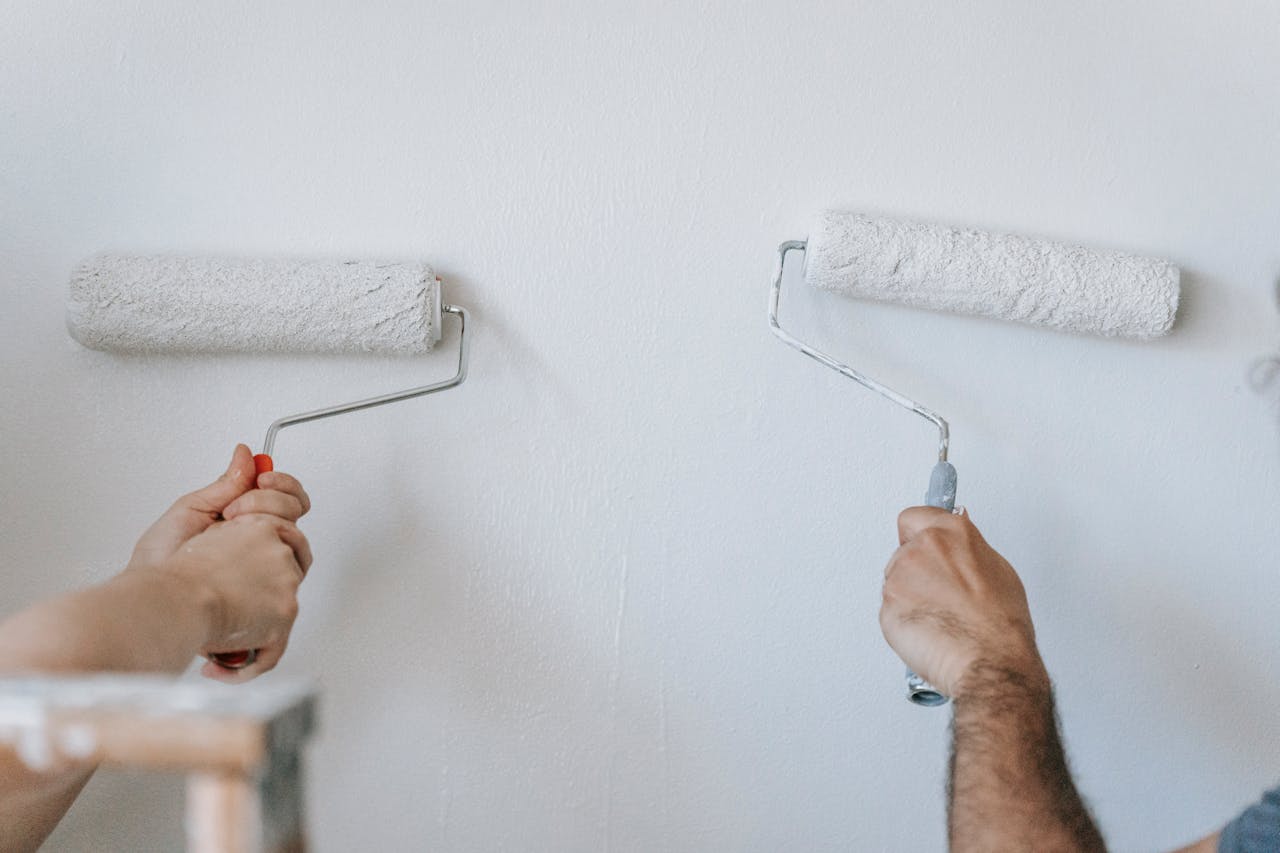
Selling your home? Use these painting tips to maximize value and attract buyers fast.
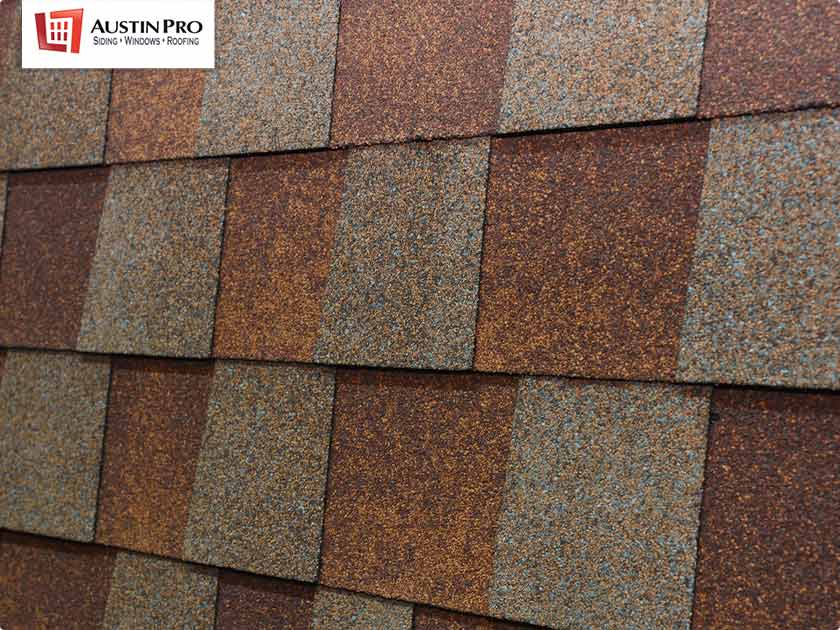
Does roof color affect energy efficiency? We answer common questions about how shingle color impacts your home's temperature and style.
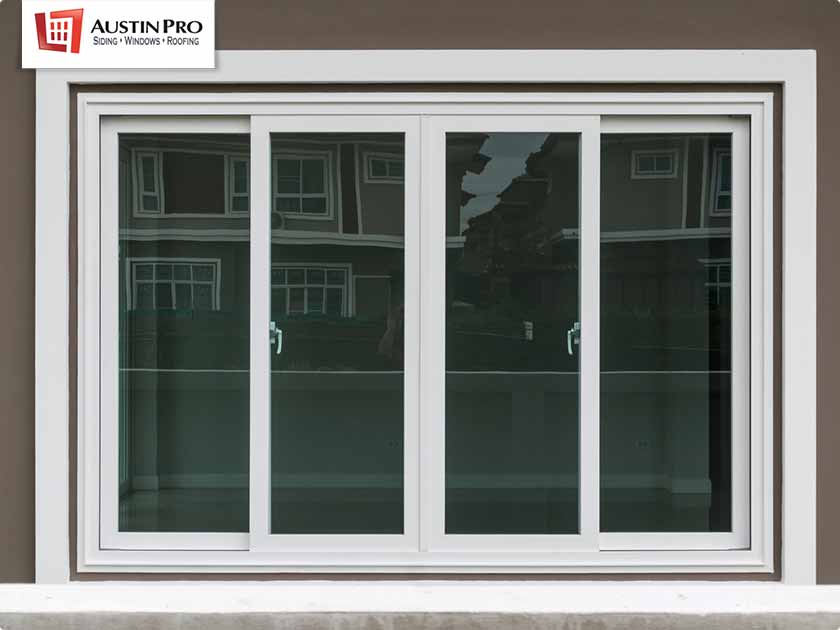
Create a cohesive look by coordinating your interior window trim with your home’s decor.
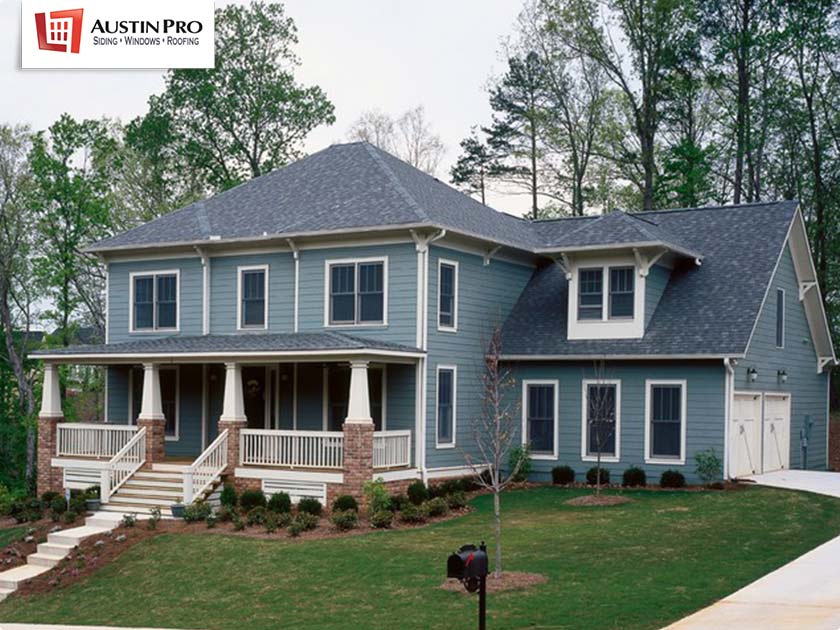
See how ColorPlus® technology keeps your siding vibrant and fade-resistant for years.

Austin Pro crafts exteriors that not only captivate but also promise steadfast protection and reliability, embodying the vibrant spirit of Austin in every facade. Your home's exterior is its silent storyteller and first impression; let us help it speak volumes without uttering a word.