Menu
< Main Menu
Social Media






Lorem ipsum dolor sit amet, consectetur adipiscing elit, sed do eiusmod tempor incididunt ut labore et dolore magna aliqua. Ut enim ad minim veniam, quis nostrud exercitation ullamco laboris nisi ut aliquip ex ea commodo consequat. Duis aute irure dolor in reprehenderit in voluptate velit esse cillum dolore eu fugiat nulla pariatur.
Block quote
Ordered list
Unordered list
Bold text
Emphasis
Superscript
Subscript
When Austin hits triple digits, your windows become either a shield—or a slow leak for heat. And here’s the uncomfortable truth: many window companies can sell you a pretty product without proving it can handle Central Texas sun year after year.
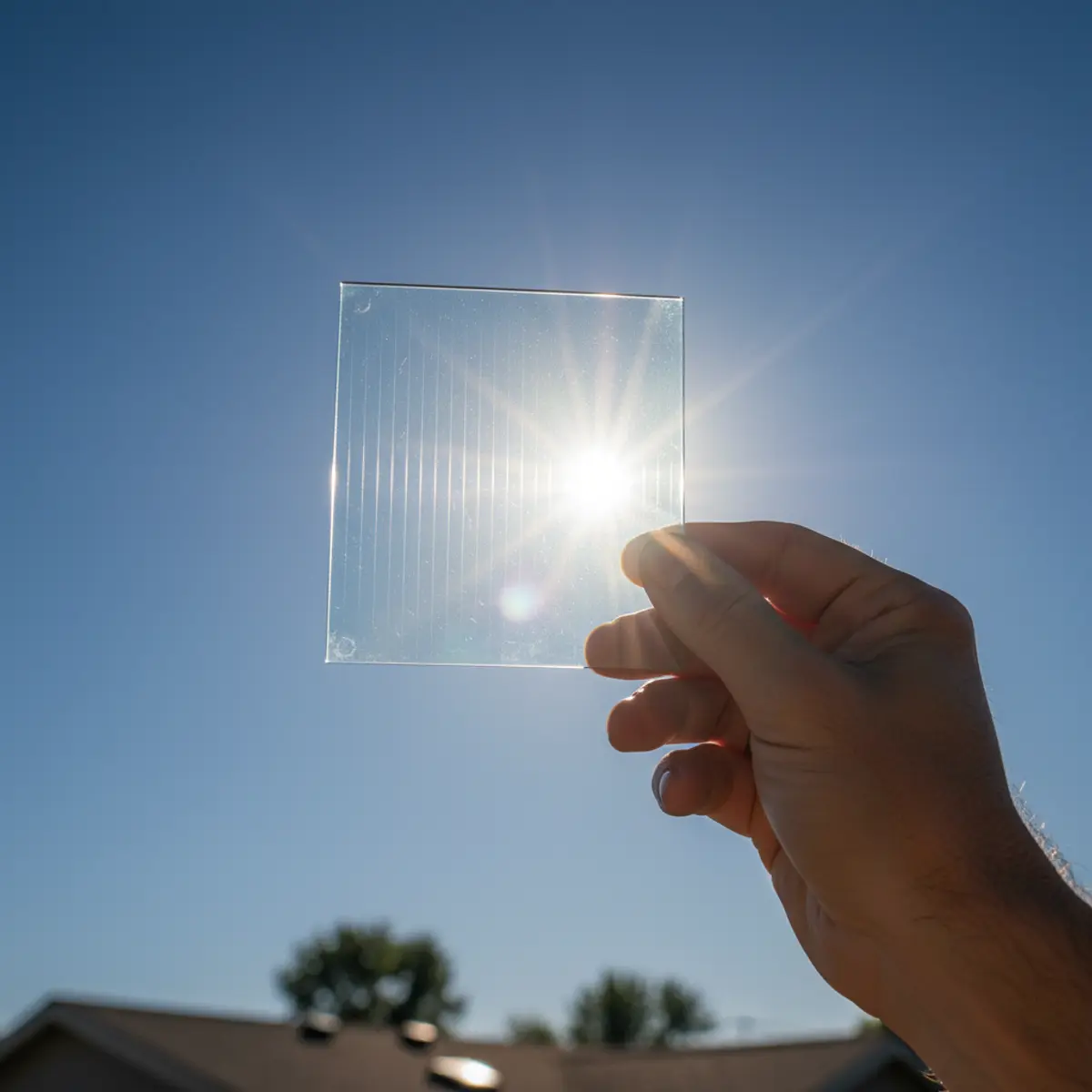
This guide flips the script. Below are five technical, homeowner-friendly questions that reveal whether a contractor is offering real heat performance—or just a national brochure with the wrong numbers highlighted. Use these questions in estimates, in showrooms, and on the phone. The best contractors will welcome them. The rest will dodge.
Most homeowners are taught to ask about U-factor—how well a window resists heat flow. That matters in cold climates. But in Austin, the bigger enemy is solar heat gain: the sun blasting through glass and turning your living room into a greenhouse.
That’s why you should lead with this question:
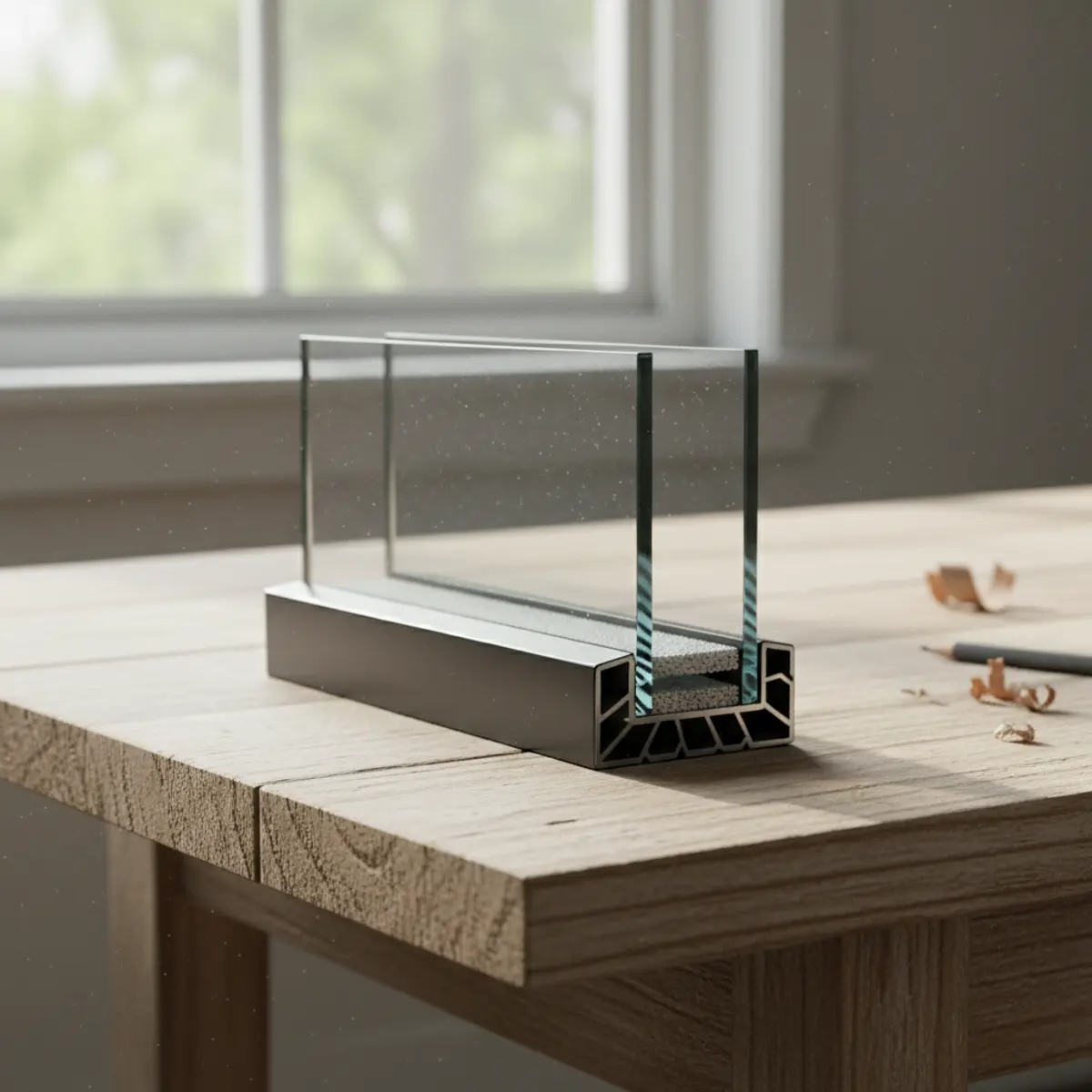
SHGC (Solar Heat Gain Coefficient) tells you how much solar radiation passes through the glass. Lower SHGC usually means less unwanted heat. The catch? Some sales reps quote center-of-glass performance or use marketing terms like “solar control” without giving an NFRC label value.
What to listen for:
If you want a deeper primer on performance ratings that actually work here, compare notes with this resource on energy-efficient windows for Texas homes.
Even with excellent glass, the frame can undermine everything. In direct sun, frames absorb heat, then conduct it inward. Homeowners feel it as a hot “radiating” edge near the window—especially on west walls at 5–7 p.m.
Use the phrase solar heat bleed intentionally. It forces a real conversation about frame material and reinforcement—not just color and style.
Key points a qualified installer should address:
If you love modern dark frames, don’t skip the performance side. This article on black windows without the heat gain breaks down what to look for in Austin.
Austin heat doesn’t just stress glass—it punishes the seal that holds insulated glass together. The daily cycle matters: morning cool, afternoon furnace, and sudden thunderstorms that drop temps fast. That expansion and contraction works the edges of the unit.
The spacer sits between panes in a double- or triple-pane unit. Basic aluminum spacers can conduct heat and stress seals. “Warm-edge” spacers often improve edge performance and can reduce condensation risk.
Follow-up prompts that separate pros from pitchmen:
For background on labels, ratings, and why they matter, the NFRC explains how certified window performance is measured: https://www.nfrc.org/.
In Austin, a window can be top-tier on paper and still fail in real life because of installation. Heat magnifies small mistakes: over-foaming can bow frames; the wrong sealant can crack; poor flashing can trap water and rot sheathing.
Don’t accept “We foam and caulk.” That’s like a roofer saying, “We nail shingles.” You want the system.
A strong answer includes:
Want to see what a locally focused window approach looks like? Austin Pro Siding outlines our process and options on the window replacement page, including considerations for our heat, storms, and older housing stock.
For industry-standard flashing guidance, the International Code Council is a reliable reference point: https://www.iccsafe.org/.
Photos from last week don’t prove durability. In Austin, the real test is what happens after five summers, a few hail events, and thousands of HVAC cycles.
This is the question that many window companies struggle to answer because it requires consistency: same product line, same install method, same climate. If they can only show brand-new jobs, you’re taking a bigger gamble than you think.
What to ask those references:
If you want unfiltered feedback before you invite anyone out, start with verified homeowner experiences on our reviews page.
Austin heat is relentless—but choosing the right window isn’t guesswork when you know what to ask. Print these questions, save them to your phone, and use them to compare bids apples-to-apples.
If you’d like a no-pressure assessment from a local team that works across Austin, Cedar Park, Round Rock, Pflugerville, Hutto, Leander, and more, you can schedule an appointment or reach us directly through our contact page. You can also confirm our service area here: Areas We Serve.
One last tip: if a contractor can’t answer these five questions clearly, imagine how hard it will be to get clarity after installation. Austin homes deserve better than a sales pitch.
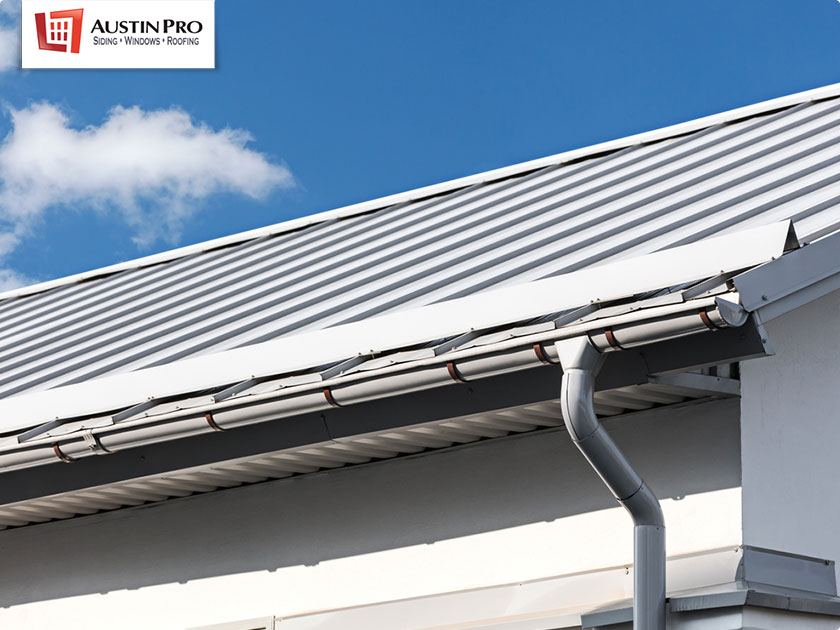
Discover why metal roofing is a smart investment. From longevity to energy savings, learn how standing seam roofs pay for themselves over time.
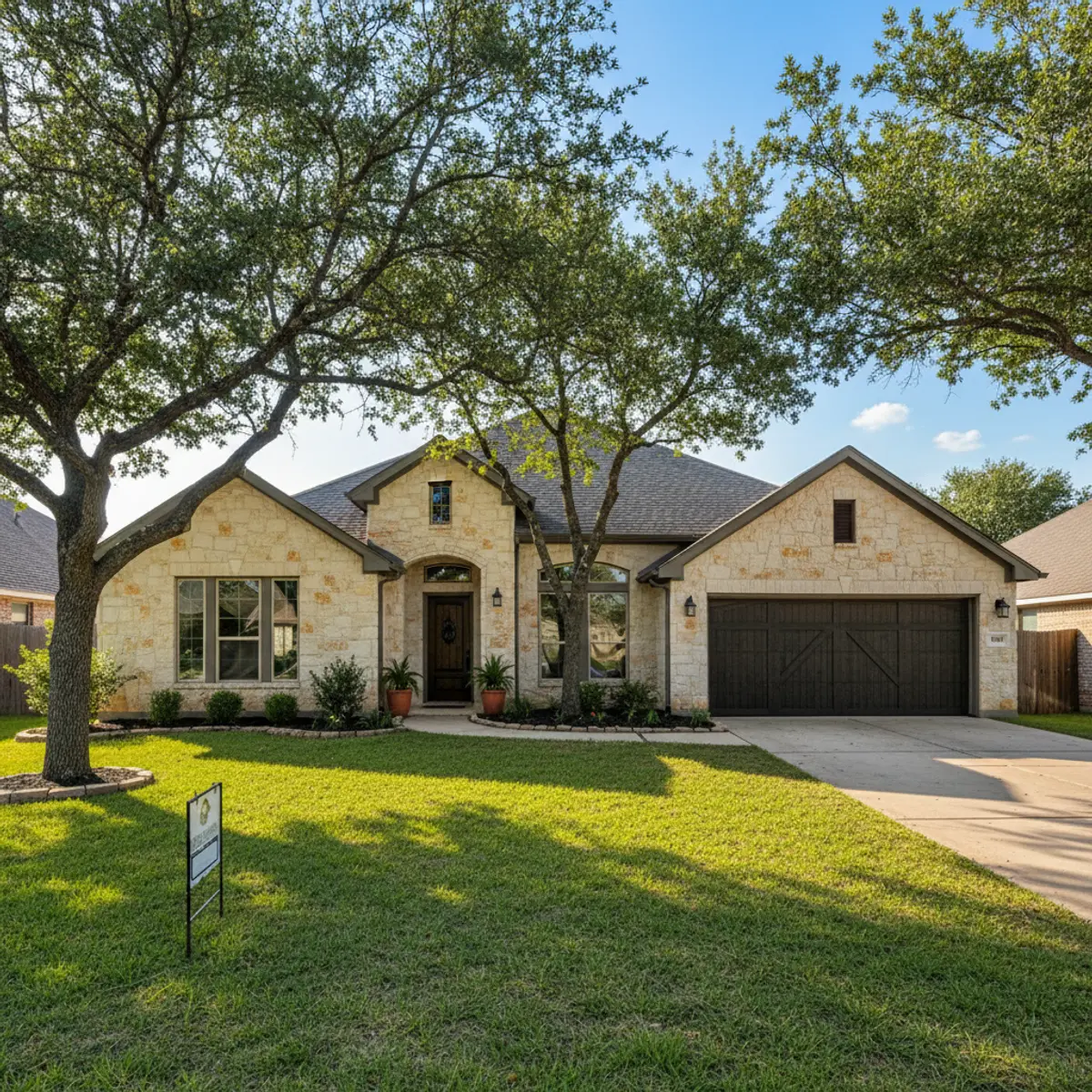
Round Rock homes face intense reflected heat, highway noise, and strict HOA rules—so generic window advice falls short. Use these five upgrades to choose the right frames, glass packages, and specs for a cooler, quieter, ACC-approved result.
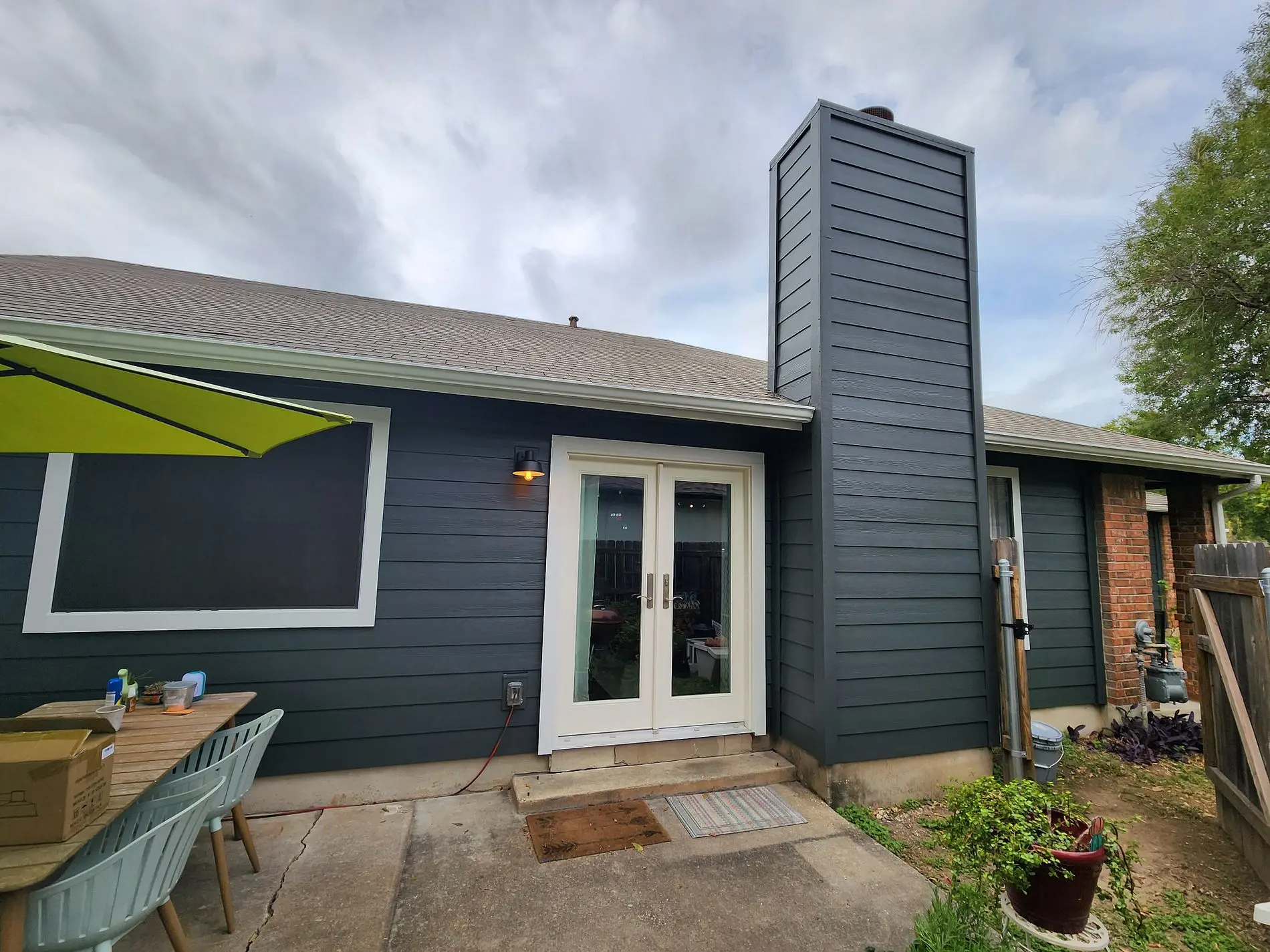
Visual tricks. Learn how vertical vs. horizontal siding affects the perceived height and width of your home.

Revolutionize your exterior with siding solutions tailored for Austin's unique style.

Extend your roof's lifespan with this routine inspection and maintenance schedule.
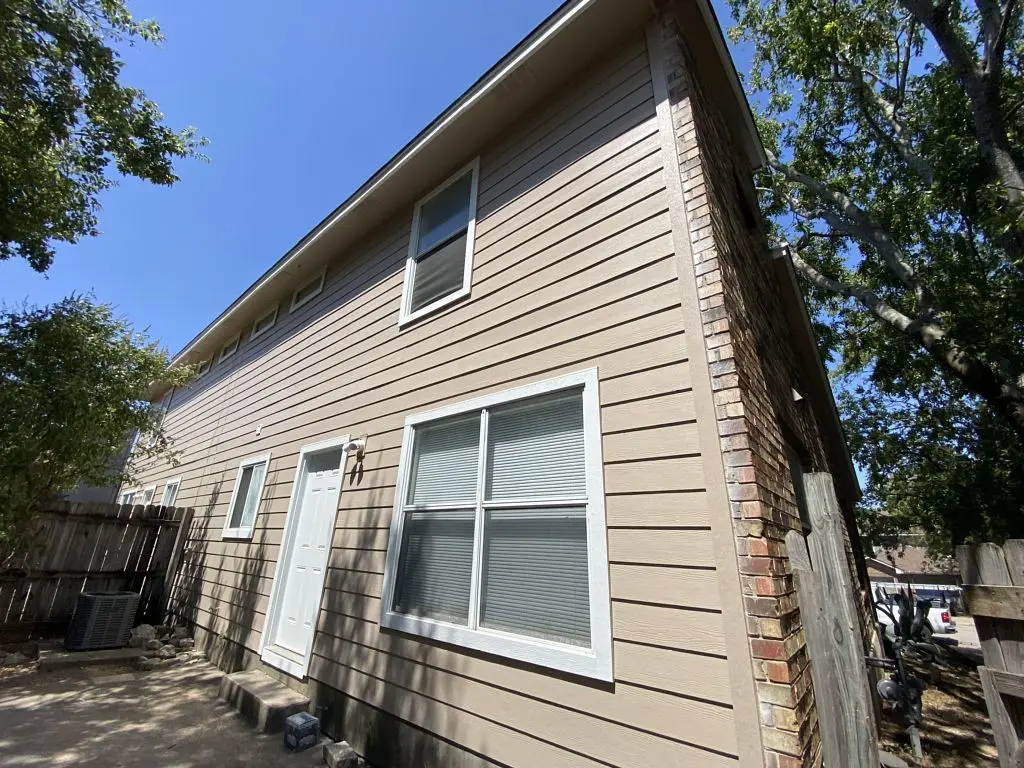
Buying vinyl windows? Here are the critical performance features you need to check first.

Austin Pro crafts exteriors that not only captivate but also promise steadfast protection and reliability, embodying the vibrant spirit of Austin in every facade. Your home's exterior is its silent storyteller and first impression; let us help it speak volumes without uttering a word.